
Graphene Ceramic Coating vs Standard Ceramic Coating: What's Actually Different
If you’ve spent any time researching ceramic coating in 2026, you’ve run into graphene. It’s in product names, marketing copy, and YouTube thumbnails. The claims range from “next generation protection” to “twice the durability” to “self-healing.”
Some of it is real. Some of it is marketing. Here’s the actual difference — and what it means for a vehicle being driven in Tomball, Spring, The Woodlands, or any North Houston community where the UV index hits 11 and construction debris is a daily reality.
What Standard Ceramic Coating Actually Does
Before comparing, it helps to be precise about what professional ceramic coating is at the chemistry level.
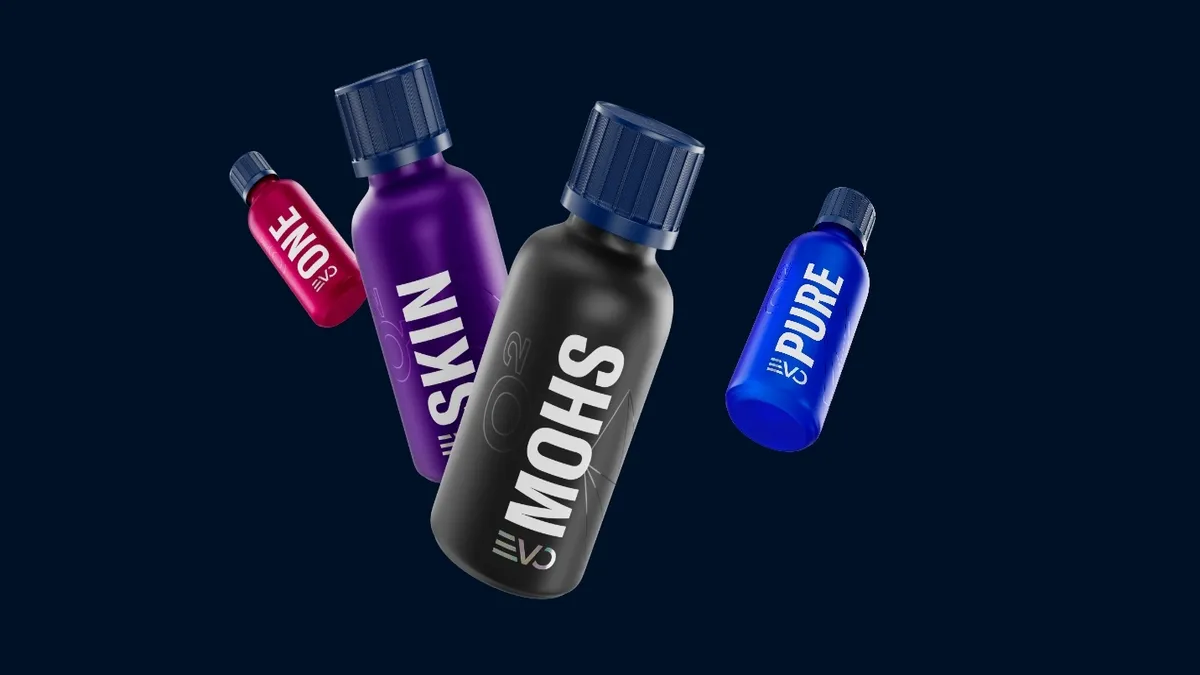
Standard ceramic coatings — including the GYEON MOHS EVO that EuroLuxe installs — are silicon dioxide (SiO₂) based formulations. When applied to your vehicle’s clear coat and allowed to cure, the SiO₂ molecules react with the surface and form a permanent chemical bond. The result is a semi-rigid, glass-like layer measured in microns — not a thick film, but a molecular surface transformation.
What this layer actually delivers:
- Hydrophobicity — water beads into tight spheres and rolls off rather than spreading and sitting. Water spots form when water evaporates and leaves mineral deposits behind; a properly maintained ceramic coating dramatically reduces this.
- UV resistance — SiO₂ blocks a significant portion of UV radiation that would otherwise accelerate oxidation and paint fading in Houston’s extreme summer sun.
- Chemical resistance — bird droppings, tree sap, road tar, and acid rain have a harder time etching into a ceramic-coated surface. Not impossible, but significantly slower.
- Scratch resistance — 9H pencil hardness rating. This is the Wolff-Wilborn pencil hardness test, not the Mohs mineral scale. It means the coating resists light marring from improper washing. It does not mean rock chips bounce off.
This is the foundation. Any honest discussion of graphene vs standard coating starts here.
What Graphene Actually Adds
Graphene is a single layer of carbon atoms arranged in a hexagonal lattice — one of the strongest materials ever measured by tensile strength, and an excellent conductor of both heat and electricity. When graphene particles are introduced into an SiO₂ ceramic matrix, several things happen.
Heat dissipation improves. Standard ceramic coatings can trap heat slightly, which contributes to water spotting on hot surfaces. Graphene’s thermal conductivity helps the coating dissipate heat more evenly, reducing the temperature differential that causes water to spot. In Texas summer conditions — where hood surface temperatures regularly exceed 130°F — this is a real and measurable benefit.
Hardness increases. The graphene lattice reinforces the SiO₂ matrix, pushing hardness ratings above 10H in some formulations. Real-world scratch resistance improves, particularly against light abrasion.
Anti-static properties emerge. Graphene is electrically conductive. A graphene-ceramic hybrid coating develops mild anti-static properties that reduce the surface’s attraction to dust and airborne particles. Vehicles with graphene coatings accumulate dust noticeably more slowly between washes.
Hydrophobicity improves. Water contact angles — the measurement of how tightly water beads — are higher on graphene-ceramic hybrids. Better beading means less water sitting on the surface, fewer water spots, and faster drying.
The Part Nobody Talks About
The graphene market in 2026 has a significant noise problem. Consumer spray products marketed as “graphene ceramic” often contain trace graphene concentrations measured in parts per million — enough to put graphene on the label, not enough to deliver the performance claims. A professional-grade graphene-ceramic coating applied by a certified installer uses a meaningfully different formulation than a $20 spray-and-wipe product.
The second honest caveat: the durability gap between a professional standard SiO₂ coating and a professional graphene-ceramic coating is narrower than marketing suggests. A properly applied GYEON MOHS EVO — our standard professional coating — delivers 5 to 9+ years of protection in real-world Texas conditions. A professional graphene-ceramic at similar concentration levels delivers 7 to 10+ years. The difference is meaningful for someone keeping a vehicle for a decade. It’s less meaningful for someone who plans to sell in three years.
The third caveat: prep determines everything. A graphene-ceramic coating on paint with embedded swirl marks and oxidation will underperform a standard SiO₂ coating on a properly corrected surface. If you’re comparing coatings, compare the prep that comes with them. At EuroLuxe, every ceramic coating installation starts with a thorough paint inspection and the appropriate level of paint correction before anything is applied to your paint.
Why Average New Vehicle Prices Are Changing the Math
The average new vehicle price in the United States crossed $50,000 in 2025. Financing terms are stretching to 7 and 8 years. More people are keeping their vehicles longer — not because they want to, but because the economics of ownership have changed.
This context matters for ceramic coating decisions. A driver making payments on a $55,000 vehicle for 84 months has strong financial incentive to maintain that vehicle’s condition. Paint oxidation, fading, and surface degradation directly reduce trade-in and resale value. A ceramic coating that adds $700 to $1,500 to the initial investment, applied at the beginning of that ownership cycle, delivers returns across the full length of ownership.
For Houston drivers specifically: vehicles without protection in Texas can show measurable UV oxidation within two to three years. Protecting your car from Texas sun damage is not a luxury concern for a vehicle you’re driving for seven years — it’s basic asset preservation.
The graphene-vs-standard coating decision is most relevant for longer ownership horizons. If you’re planning to keep your vehicle for 10+ years, the added durability of graphene is worth evaluating. If you’re on a five-year ownership cycle, a professionally applied standard ceramic delivers full protection across that window at a lower cost.
The Dealership Coating Upsell — What You’re Actually Buying
Almost every new vehicle purchase in 2026 comes with a ceramic coating upsell at the finance desk. These packages range from $500 to $2,500 and are presented as factory-applied or dealer-applied protection.
Here’s what the research consistently shows: dealer-applied coatings are typically consumer-grade or entry-level professional products applied quickly without meaningful paint preparation. Prep is where coating durability is earned. A coating applied over swirl marks, dealer wash scratches, and dealership handling marks without paint correction will perform significantly below its claimed specification.
The independent installer model — a certified detailing studio with dedicated equipment, climate-controlled installation space, and trained technicians — consistently produces better results than dealership quick-apply programs. Our ceramic coating installation includes paint inspection, decontamination, correction as needed, and application in our Tomball climate-controlled bay. That process takes more time than a dealer finance office allows.
If you’ve already purchased a dealer coating on a new vehicle, it may still be worth having a certified installer evaluate the condition. In some cases, a correction and recoat delivers dramatically improved results.
What EuroLuxe Uses and Why
EuroLuxe is a GYEON certified installer. We use GYEON MOHS EVO — a professional-grade SiO₂ ceramic coating with 9H+ hardness and a manufacturer warranty structure that matches the protection timeline for most Houston drivers.
We evaluated graphene-ceramic products as part of our product selection process and will continue monitoring the category as formulations mature. For 2026, GYEON MOHS EVO performs at a level that meets or exceeds the real-world conditions EuroLuxe clients face: Texas UV intensity, Gulf Coast humidity, North Houston construction zone exposure, and the wash-frequency reality of vehicle owners who care about their paint but live normal lives.
That assessment will change as the graphene category matures and professional-grade formulations improve. When it does, our clients will be the first to know.
Making the Decision
For most vehicles in North Houston:
- Standard professional ceramic (GYEON MOHS EVO) — right choice for ownership horizons of 5 to 7 years, vehicles that will be maintained with regular wash routines, and clients who want professional protection without the premium cost.
- Graphene-ceramic hybrid — worth evaluating for longer ownership horizons (8+ years), vehicles kept in particularly harsh conditions, or owners who want the marginal durability increase and are willing to invest accordingly.
- Both + PPF — for any vehicle where physical protection from rock chips matters as much as chemical protection, ceramic coating over PPF is the complete answer. Ceramic handles UV, water spots, and chemicals. PPF handles impact. They are not competitors.
Get a free quote and we’ll walk through the right protection level for your specific vehicle, driving habits, and ownership timeline.