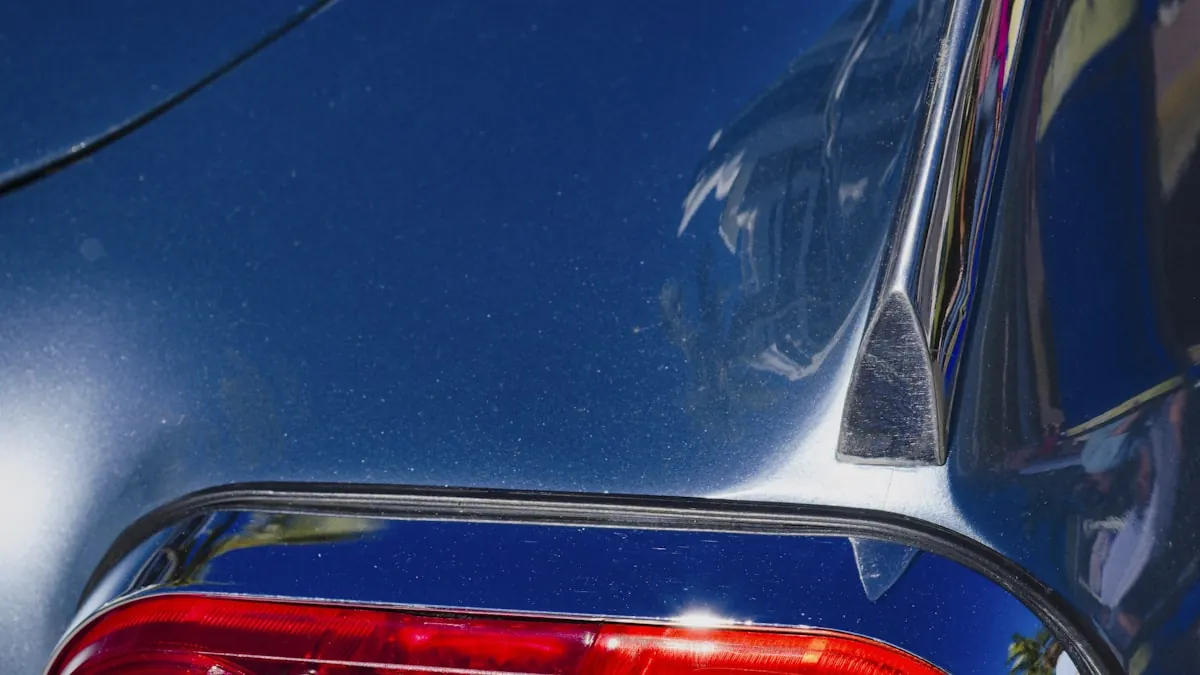

Can Ceramic Coating Fix Scratches? Here's What It Actually Does
The Short Answer: No
Ceramic coating does not fix scratches. Not light ones, not deep ones, not swirl marks. This misconception is one of the most common in the detailing industry, and it leads to a lot of disappointed car owners who expected coating to be a magic eraser.
Here’s what actually happens when ceramic coating meets scratched paint — and what you need to do instead.
What Ceramic Coating Actually Does to Your Paint Surface
At the microscopic level, automotive clear coat isn’t perfectly smooth. It has pores, valleys, and irregularities that scatter light and dull the appearance. Ceramic coating fills those microscopic pores with SiO2 (silicon dioxide), creating a flatter, more uniform surface.
This is why a freshly coated car looks incredibly glossy. The coating isn’t adding “shine” in the traditional sense — it’s creating a more optically flat surface that reflects light more uniformly. The result is deeper color, sharper reflections, and what people describe as a “wet look.”
This pore-filling effect can mask extremely fine imperfections — the kind you’d need a microscope to see. But anything you can see with your eyes or feel with your fingernail? The coating flows right over it and makes it permanent.
The Scratch Severity Scale
Understanding what’s actually wrong with your paint helps explain why coating can’t fix it:
Clear Coat Scratches (Most Common)
These are scratches that only penetrate the clear coat layer — the transparent protective layer on top of your base coat color. Swirl marks, light scratches from improper washing, and fine marring all fall into this category.
Clear coat scratches scatter light, making paint look dull or hazy. They’re repairable through paint correction — a process that uses machine polishing to level the clear coat around the scratch, effectively removing it.
Ceramic coating applied over clear coat scratches will make them more visible, not less. The coating adds gloss to the surrounding paint, which increases the contrast between the smooth areas and the scratched areas. You’ll see your swirl marks in higher definition.
Base Coat Scratches
These penetrate through the clear coat and into the colored paint layer. You can usually identify them because you can see a different color (often white or lighter) in the scratch channel.
Paint correction cannot fully repair these because the base coat color has been removed. Correction can reduce their appearance by smoothing the edges, but the scratch remains. Ceramic coating won’t hide them.
Primer/Metal Deep Scratches
Scratches that reach the primer or bare metal are beyond any detailing solution. These need body shop repair — touch-up paint, wet sanding, clear coat application, and blending. Ceramic coating has zero effect on these.
Why Paint Correction Must Come First
This is the critical sequence that separates a good ceramic coating job from a bad one:
- Wash and decontaminate the paint surface
- Correct the paint — machine polish to remove swirl marks, scratches, water spots, and oxidation
- Remove polishing oils with an IPA (isopropyl alcohol) wipe
- Apply ceramic coating to the corrected, clean surface
Skipping step 2 means you’re permanently sealing every defect under the coating. Professional shops spend more time on paint correction than on the actual coating application because the prep determines the final result.
At our shop, a typical ceramic coating job includes 4-8 hours of paint correction work before we open the coating bottle. On heavily damaged paint, we may spend a full day on correction alone.
The “It Filled My Scratches” Illusion
Some people apply ceramic coating and swear their scratches improved. There are a few explanations for this:
Wet vs. Dry Appearance
When paint is wet, scratches become less visible because the water fills the scratch channel and reduces light scattering. Ceramic coating creates a similar “wet look” effect permanently, which can slightly reduce the visibility of very fine scratches — not by repairing them, but by changing how light interacts with the surrounding surface.
Gloss Enhancement Masking
The dramatic gloss enhancement from ceramic coating can draw your eye away from minor imperfections. The overall appearance improves so much that your brain perceives the paint as “fixed” even though the scratches are still physically present.
Actual Pore Filling
The coating does fill microscopic pores and sub-micron surface irregularities. If what you thought were “scratches” were actually just surface roughness from UV degradation or chemical etching, the coating can genuinely improve their appearance. But these weren’t really scratches — they were surface texture issues.
What Ceramic Coating Does Protect Against
While coating can’t repair existing damage, it does help prevent future scratches:
- Chemical resistance — Bird droppings, bug splatter, tree sap, and other corrosive contaminants are less likely to etch into coated paint
- UV protection — The coating blocks UV radiation that degrades clear coat over time
- Reduced wash marring — The slick, hard surface is less susceptible to the light scratching that occurs during washing
- Easier contaminant removal — Because dirt and grime don’t bond as strongly, less scrubbing is needed during washing, which means less opportunity to introduce new scratches
The 9H hardness rating of professional ceramic coatings means the surface is harder than standard clear coat. Light contact that would scratch uncoated paint may not scratch the coating. But harder objects (keys, belt buckles, shopping carts) will still scratch through.
For physical impact protection against rock chips and deeper scratches, paint protection film is the right product.
The Right Approach
If your paint has visible scratches, swirl marks, or water spot etching, here’s the correct path:
- Get a paint correction consultation to assess the damage
- Have the paint corrected to remove as many defects as possible
- Apply ceramic coating to the corrected surface to protect it and lock in the results
- Consider PPF on high-impact areas for physical scratch prevention going forward
This order matters. Coating before correction traps defects. Correction without coating means new damage starts accumulating immediately. The combination of correction followed by coating gives you the best possible finish with long-term protection.
Ceramic coating is exceptional paint protection. It’s just not paint repair. Understanding the difference helps you invest in the right services for your vehicle’s actual needs.