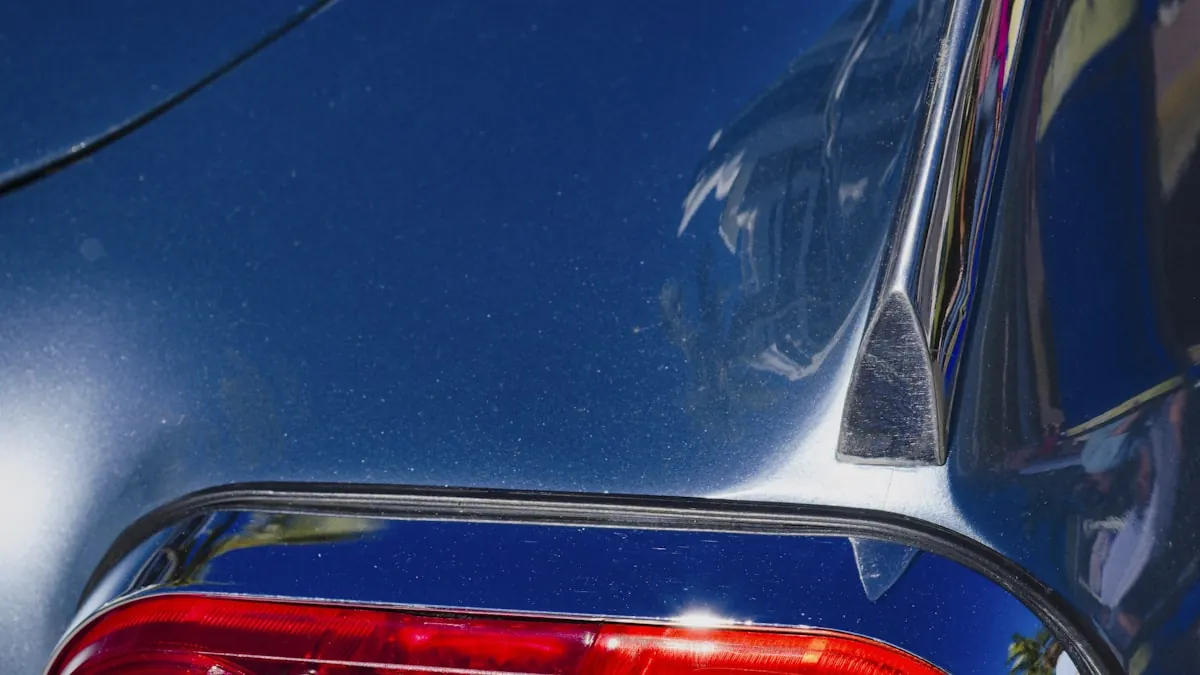

Ceramic Coating for Motorcycles: Protecting Bikes in Texas Heat
Why Motorcycles Need Protection Even More Than Cars
Motorcycles face a harsher operating environment than any passenger vehicle on the road, with every surface directly exposed to the elements without the benefit of a protective cabin. While cars have hoods, roofs, and trunk lids that take the brunt of UV exposure, a motorcycle’s tank, fenders, and fairings are positioned at angles that catch full, direct sunlight with no shading from adjacent body panels. Texas heat intensifies this exposure dramatically: a motorcycle parked in the Houston sun can see surface temperatures on dark-painted components exceed 170 degrees Fahrenheit by mid-afternoon, accelerating oxidation, fading, and clear coat degradation at a rate that shortens the finish’s lifespan by years compared to the same bike stored indoors. At EuroLuxe Detailing, we coat motorcycles regularly and understand the unique challenges that two-wheeled vehicles present in our Tomball location’s service area.
Tank and Painted Bodywork Protection
The fuel tank is the visual centerpiece of most motorcycles and the component most vulnerable to both environmental and mechanical damage. Ceramic coating on the tank provides UV resistance that prevents the fading and color shifting that Texas sun causes on exposed paint, particularly on reds, blacks, and custom colors that show degradation prominently. The hydrophobic surface created by the coating causes water, road spray, and airborne contaminants to bead and release rather than sitting on the surface and etching into the clear coat between rides. GYEON MOHS EVO provides chemical resistance that protects against fuel spillage and overflow that inevitably contacts the tank surface during fill-ups, which over time can damage unprotected clear coat around the filler cap area. For motorcycles with fairings, the coating provides the same UV and chemical protection across all painted plastic surfaces, which are often more susceptible to UV damage than metal-bodied panels because the clear coat on injection-molded plastics tends to be thinner.
Exhaust and High-Heat Components
Motorcycle exhaust systems operate at temperatures far exceeding anything found on passenger vehicles, with header pipes regularly reaching 600 to 1,000 degrees Fahrenheit during aggressive riding. Standard ceramic coatings are not designed for these temperatures and will burn off header pipes and high-heat sections within a single ride, so it is critical that the correct products are applied to the right surfaces. For chrome exhaust components, we use heat-rated ceramic coatings specifically formulated for exhaust applications, which withstand continuous temperatures up to 1,400 degrees and protect the chrome from the blueing and discoloration caused by heat cycles. Lower-temperature exhaust sections, muffler bodies, and heat shields can often accept standard ceramic coating or a mid-temperature variant, but we always evaluate each component’s operating temperature before selecting the appropriate product. The investment in proper exhaust coating pays dividends because chrome exhaust restoration after heat damage is expensive and often requires complete replating.
Wheel and Brake Component Coating
Motorcycle wheels demand more frequent cleaning than car wheels because they are fully exposed and visually prominent, and brake dust accumulation is immediately visible on the limited spoke or wheel surface area. Coating motorcycle wheels with a heat-resistant ceramic product designed for wheel applications dramatically reduces brake dust adhesion, making cleanup a quick wipe rather than a scrubbing session. For sport bikes and performance motorcycles with exposed brake calipers, a caliper-specific coating protects the finish from heat cycling and brake dust contamination while maintaining the visual impact of colored or branded calipers. Chain-driven motorcycles benefit from coating the rear wheel and swingarm area because chain lube fling-off deposits a sticky film that attracts road debris and is notoriously difficult to remove from uncoated surfaces. With ceramic coating on these components, chain lube residue releases with a simple wipe rather than requiring aggressive solvent-based cleaning that can damage bare aluminum or painted surfaces.
Windscreens, Visors, and Optical Surfaces
Motorcycle windscreens and helmet visors are critical safety components that benefit from hydrophobic ceramic treatment in ways that directly improve riding safety. A ceramic-coated windscreen causes rain to bead and roll off at riding speeds, dramatically improving forward visibility during Houston’s frequent sudden downpours when you are fully exposed on two wheels with no option to pull over immediately. The same treatment applied to a helmet visor provides identical hydrophobic benefit, keeping rain, road spray, and bug impacts from obscuring your vision. Coating also makes bug removal from windscreens and visors significantly easier, as the smooth, slick surface prevents insect residue from bonding as aggressively as it does to uncoated plastic. We apply optical-grade coating products to these surfaces that maintain full transparency and do not create any distortion, hazing, or color shifting that could impair vision during riding.
The Motorcycle Coating Process
Coating a motorcycle differs from coating a car in several important ways that require a technician experienced with two-wheeled vehicles. The surface area is smaller but the geometry is more complex, with tight curves, recessed areas, and components in close proximity that make systematic panel-by-panel application more challenging than flat automotive body panels. We disassemble accessible components when possible, removing seats, tank pads, and small covers to ensure complete coverage without the risk of product buildup in gaps between parts. Surface preparation follows the same decontamination and correction standards we apply to automotive work, but with extra caution around pinstriping, decals, and custom paint that may be more delicate than factory automotive finishes. The cure time for a coated motorcycle is the same as for a car, typically 24 hours before water exposure, and we recommend riders wait a full week before the first ride to allow the coating to achieve meaningful hardness before encountering road spray, bugs, and vibration.
PPF for High-Impact Motorcycle Areas
While ceramic coating provides excellent chemical, UV, and thermal protection, motorcycles also benefit from paint protection film on specific high-impact zones where physical damage is the primary concern. The leading edge of front fenders, the lower portion of fairings on sport bikes, and the tank knee area where rider contact creates wear marks are all prime candidates for PPF application. UltraFit film provides self-healing, impact-absorbing protection that prevents rock chips on fenders and stone impacts on lower fairings that would chip through ceramic coating and clear coat alike. For adventure and dual-sport bikes that encounter gravel, debris, and trail conditions, PPF coverage on exposed painted surfaces is practically essential to maintain the finish through the demands of off-pavement riding. The combination of ceramic coating on low-impact areas and PPF on high-impact zones provides comprehensive protection that addresses every threat a motorcycle faces on Texas roads.
Maintenance for Coated Motorcycles
Maintaining a ceramic-coated motorcycle requires the same careful approach as a coated car, with a few motorcycle-specific considerations. Wash with a pH-neutral shampoo and a soft microfiber mitt, using a separate mitt or brush for wheel and chain areas where brake dust and chain lube contaminate your cleaning tools. Avoid pressure washing directly at seal edges, electrical connections, and bearing surfaces where high-pressure water can force past seals and cause internal corrosion or electrical issues. For chain-driven bikes, clean and re-lubricate the chain after washing to prevent the accelerated wear that water contamination causes on chain and sprocket surfaces. A coated motorcycle is faster and easier to clean than an uncoated one, which encourages more frequent cleaning and ultimately better long-term preservation.
Protect Your Bike Before Summer Takes Its Toll
Texas summers are unforgiving to exposed motorcycle surfaces, and the damage UV radiation and heat inflict in a single season can take years off your bike’s appearance. At EuroLuxe Detailing in Tomball, we offer comprehensive motorcycle coating and protection packages tailored to sport bikes, cruisers, adventure bikes, and custom builds, with product selection matched to each component’s operating conditions and exposure level. Whether you ride daily or your bike is a weekend passion, protecting it with professional-grade ceramic coating preserves the finish that drew you to the machine in the first place. Contact us for a motorcycle coating quote and bring your bike to 11701 Holderrieth Rd for an assessment of what your ride needs to stay protected through the Texas heat.