Ceramic coating toppers and boosters: when they help and when they hurt
Walk through the car care aisle, or scroll any detailing forum for ten minutes, and you will run into the same pitch over and over: a spray-on product that promises to restore the water beading on your ceramic coating, add months of life, and make the paint slicker than the day it was installed. These products go by a few names. Some brands call them toppers, some call them boosters, some call them maintenance sprays or ceramic detail sprays. The category is real and the better products genuinely work, but the marketing around them has created a lot of confusion about what they do and when you actually need one.
The short version is that a topper is a thin sacrificial layer you apply on top of an existing ceramic coating. It is not a coating itself in the way a professional GYEON installation is, and it does not replace one. Used at the right time, a good topper can refresh hydrophobic performance and add a little slickness between proper decontamination washes. Used at the wrong time, or used to paper over a problem that needs real attention, it can trap contamination, mask the early warning signs that a coating is failing, and waste your money on a layer that flashes off in a few weeks. Knowing the difference is the whole game.
What a topper actually is and what it is not
A professional ceramic coating like GYEON MOHS EVO is a durable, semi-permanent layer that bonds chemically to your clear coat and cures into a hard film rated around 9H. It is measured in years, it requires careful surface prep before it goes on, and once it cures it is not coming off without machine polishing. A topper is a completely different animal. It is a light SiO2 or polymer-based product you spray or wipe on during a wash, it bonds loosely to the coating already on the paint, and it lasts weeks to a couple of months depending on the formula and how the car is used.
That distinction matters because the two products do different jobs. The base coating is your real protection: UV resistance, chemical resistance, the hard barrier that keeps bird droppings and bug splatter from etching directly into your clear coat. The topper is a refresh. Its main contribution is to restore the surface energy that makes water bead and sheet, and to add a thin layer of slickness that helps the next round of contamination release more easily. It does not meaningfully add to the structural protection underneath. If you have ever heard someone claim a five dollar spray bottle adds two years to a coating, that is the part to be skeptical about.
The other thing worth saying plainly is that a topper cannot fix a coating that has failed. If the base layer has degraded to the point where water no longer beads and the surface feels rough even after a clean wash, spraying a topper over it is treating the symptom. The hydrophobics might come back for a few weeks because the topper itself beads water, but the protection you actually paid for is gone, and now it is hidden under a temporary layer that makes the problem harder to diagnose.
When a topper genuinely earns its place
There is a legitimate window where a topper does real work. A healthy ceramic coating does not fail all at once. Over months and years it slowly loses some of its surface slickness and its water behavior softens, even while the underlying protection is still doing its job. This is normal. A topper applied during this stretch restores the beading and the slick feel without you having to think about reapplying the full coating before its time. For a daily driver in North Houston that lives outside and takes the full summer UV load, applying a quality topper every few months is a reasonable maintenance habit.
It also makes sense as a recovery step after a heavy decontamination wash. When you do an iron remover treatment and a clay bar session to strip embedded brake dust and rail dust off a coated surface, that aggressive cleaning can leave the coating a little less slick than it was. A topper applied right after a decon wash puts a fresh sacrificial layer back on top and restores the water behavior in one pass. Done in that order, the topper is reinforcing a properly maintained surface rather than hiding a dirty one.
The third good use case is targeted, high-contact areas. The lower doors, the rocker panels, and the area behind the wheels take the worst of the road film and tar. Refreshing a topper on those specific zones more often than the rest of the car keeps the dirtiest panels releasing grime more easily. If you want to understand the bigger picture of how a ceramic coating behaves over its full lifespan and how maintenance fits into it, the timing of toppers slots into that maintenance rhythm rather than replacing any of it.
When a topper is the wrong answer
The most common mistake is reaching for a topper to avoid dealing with a coating that has reached the end of its service life. We see this when an owner brings a vehicle in expecting a quick refresh and the paint underneath tells a different story. The coating is spent, the surface holds contamination that a normal wash will not release, and there may be light defects under whatever has been sprayed on top. A topper does not solve any of that. The honest fix is decontamination, an assessment of the existing coating, and either a fresh coating or, if the paint has accumulated defects, paint correction first and then a new coating.
A topper also hurts when it goes on over a contaminated surface. The whole point of any coating layer, base or topper, is a clean foundation. If you spray a topper onto paint that still carries bonded iron particles, road tar, or a film of old product, you are sealing that contamination in place. It bonds under the topper, it becomes harder to remove later, and in the worst cases it creates the kind of high spots and uneven sheeting that look worse than bare coated paint. More product is not the answer when the surface is not clean. Decontamination is.
Finally, be wary of using a topper as a substitute for understanding your coating. The value of watching how your paint behaves over time is that it tells you the truth about the protection. Water that stops beading, a surface that feels rough, sheeting that breaks up unevenly: these are the signals that maintenance attention is due. If you reflexively top the car every time the beading softens, you blunt those signals and you may carry a failing coating for months longer than you should, exposing the clear coat underneath to UV and etching the whole time.
How to apply one correctly
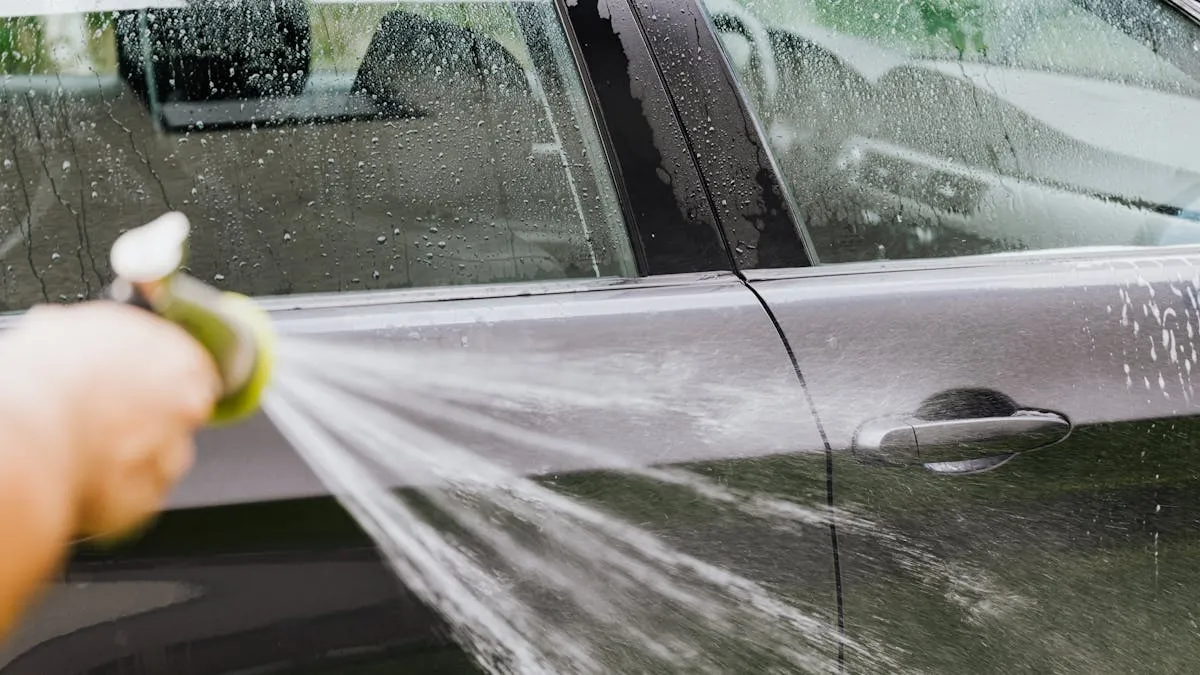
If you have decided a topper makes sense, the application is simple but the order is not optional. Start with a proper wash, ideally a two-bucket hand wash or a touchless rinse, so the surface is genuinely clean and free of loose grit. If it has been a while, do an iron remover and clay treatment first, because a topper should never go on over bonded contamination. The paint should be cool to the touch and out of direct sun, which in a Texas summer usually means early morning, evening, or a shaded bay. Heat flashes the product off before it can level, and that leaves streaks and high spots.
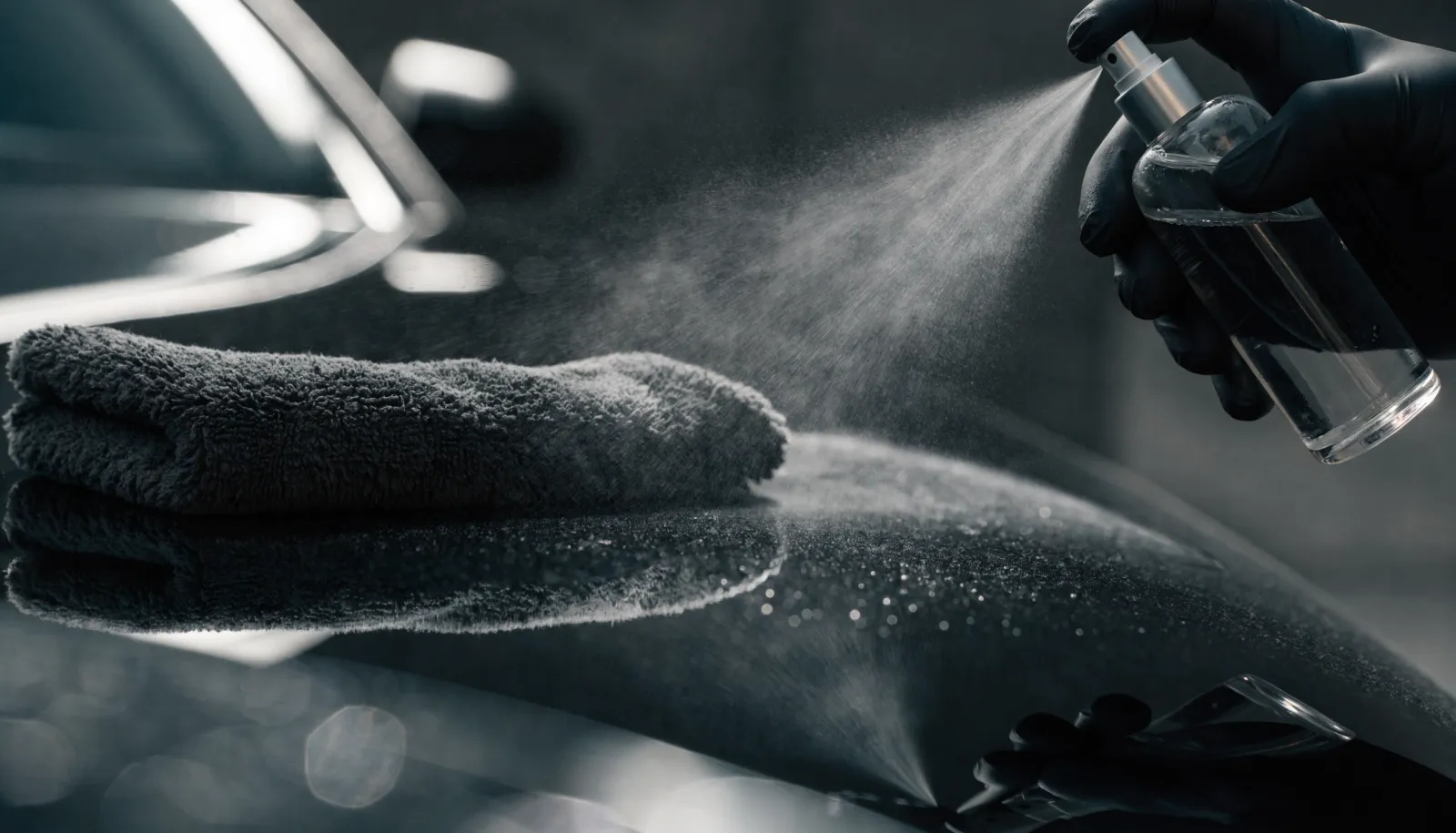
Work one panel at a time. Most toppers are applied with a light mist or a few drops on a clean microfiber, spread evenly, and then buffed off with a second dry microfiber before the product fully flashes. The two-towel method matters: one to apply and spread, one to remove any residue and bring up the gloss. Do not let a SiO2 topper sit and cure hard on the surface the way you would a base coating, because the residue from a topper that dries before you buff it is stubborn and can streak. Less product, even coverage, and prompt removal beat a heavy application every time.
Give it a few hours of cure time before the car sees rain or a wash, and longer is better. A topper applied in a climate-controlled bay has an easier time leveling and curing than one applied in a humid driveway, which is part of why the same product can look flawless one day and streaky the next. If you are not getting clean, even results at home, that is usually a sign the surface prep or the conditions were off, not that the product is bad.
The honest place for toppers in a protection plan
A topper is a maintenance tool, not a protection strategy. It is at its best on a healthy coating that has lost a little of its slickness, applied over a clean surface, in the right conditions, by someone who is using it to maintain rather than to hide. It is at its worst when it becomes a way to avoid the real work that a tired coating or a contaminated surface actually needs. The product itself is rarely the problem. The decision about when to use it almost always is.
If you are not sure whether your coating needs a simple refresh or has reached the point where it needs to be stripped and redone, that is worth a real set of eyes on the paint rather than a guess from a spray bottle. At EuroLuxe, Caleb Vasquez assesses the existing coating before recommending anything, because the answer changes completely depending on what the surface actually shows. If you want a straight read on where your coated vehicle stands, call EuroLuxe at (936) 292-6056 or stop by the shop at 11701 Holderrieth Rd in Tomball. The conversation starts with what is on your paint, not with what is on the shelf.