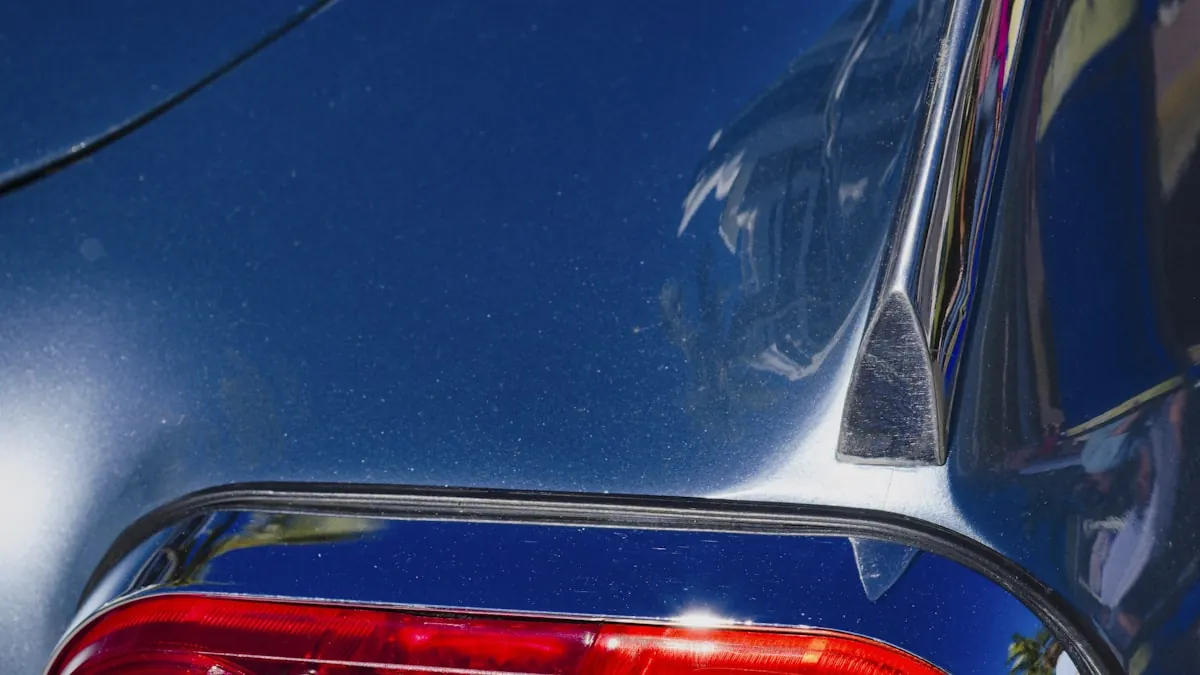

The Truth About DIY Ceramic Coating Kits
The Appeal Is Obvious
A professional ceramic coating costs $800-3,000. A DIY kit from Amazon costs $50-150. If the end result were even close to the same, nobody would pay for professional application. The reality is more nuanced than either side admits.
Consumer ceramic coating kits are real products that provide real protection. They’re just not the same product that professional installers use, and the gap between a garage application and a shop application is wider than most people expect.
What’s in a DIY Kit
Most consumer kits — Avalon King Armor Shield IX, Adam’s UV Ceramic Coating, Chemical Guys HydroSlick, CarPro CQuartz UK — include:
- One or two bottles of ceramic coating (10-50ml)
- Applicator blocks and suede cloths
- Microfiber buffing towels
- Sometimes a prep spray
The coating itself is a simplified version of professional formulas. Consumer products typically contain 40-70% SiO2 with additives that make them more forgiving to apply. Professional coatings run 70-85%+ SiO2 with proprietary hardening agents that require precise application technique.
That lower SiO2 concentration isn’t just about cost savings — it’s about making the product usable by someone without training. Higher concentration coatings flash faster, leave high spots more easily, and are far less forgiving of application errors.
Where DIY Kits Fall Short
Paint Preparation
This is the biggest issue, and it has nothing to do with the coating itself.
Professional ceramic coating applications start with hours of paint preparation: chemical decontamination, clay bar treatment, iron fallout removal, and paint correction to remove swirl marks and scratches. This prep work typically takes 4-8 hours before any coating is applied.
Why does this matter? Ceramic coating bonds permanently to whatever surface condition exists when it’s applied. If your paint has swirl marks, oxidation, or water spot etching, the coating locks those defects in. You’ve just made them permanent.
Most DIYers skip correction entirely — they don’t own a machine polisher, and hand polishing doesn’t produce the same results. Even the best consumer coating applied over uncorrected paint will look worse than a professional application on properly corrected paint.
Application Environment
Professional shops apply ceramic coating in enclosed, climate-controlled bays with filtered air. Temperature stays between 60-75 degrees F. Humidity is controlled. Dust is minimized.
Your garage has none of this. Dust particles landing on curing coating create permanent texture issues (called “high spots”). Temperature swings during overnight curing can affect how evenly the coating hardens. Humidity above 60% can cause hazing and cloudiness.
Can you get acceptable results in a clean garage? Yes, if you’re careful. Will they match a controlled shop environment? No.
Application Technique
Ceramic coating has a specific working window. You apply it to a small area (typically a 2x2 foot section), wait for it to flash (turn hazy), then level it with a microfiber cloth. Apply too much, and you get thick high spots. Wait too long to level, and the coating bonds before you can smooth it. Level too aggressively, and you remove coating from the surface.
Professional installers have applied hundreds of coatings and have the muscle memory to work consistently across every panel. First-time applicators inevitably have uneven sections, missed spots, or areas where they wiped too hard or too light.
The forgiving nature of consumer coatings helps here — they have a wider working window than professional products. But mistakes still happen, and some of them are permanent.
Cure Conditions
Professional coatings need 24-48 hours in a controlled environment to fully cure. During this time, any moisture, dust, or physical contact can compromise the coating.
Most DIY applications end with parking the car in the garage and hoping for the best. If your garage isn’t sealed, if it’s humid, or if temperatures drop overnight, the cure quality suffers. Some consumer coatings claim shorter cure times (4-12 hours), but those products are also less durable.
What DIY Kits Do Well
It’s not all bad news. Consumer ceramic coatings provide legitimate benefits:
- UV protection — Even 40% SiO2 products block UV better than wax or sealant
- Hydrophobic behavior — Water beading on consumer coatings is noticeably better than an uncoated surface
- Easier washing — Dirt adhesion is reduced, and contaminants release more easily during washing
- Chemical resistance — Moderate protection against bird droppings, bug splatter, and tree sap
- Improved gloss — The coating fills microscopic surface irregularities and adds depth
For 6-18 months (the realistic lifespan of most consumer coatings), these benefits are real and meaningful. The car will look better and be easier to maintain than an uncoated vehicle.
Realistic Durability Expectations
Marketing claims on consumer kits range from “2 years” to “lifetime.” Here’s what actually happens:
- Months 1-3: Strong hydrophobic behavior, excellent beading, noticeable gloss enhancement
- Months 4-8: Hydrophobic properties begin diminishing, especially on horizontal surfaces (hood, roof, trunk) that take the most UV and environmental abuse
- Months 9-18: Water sheeting replaces beading on most surfaces, gloss enhancement is minimal, chemical resistance is significantly reduced
- Beyond 18 months: The coating is effectively gone on exposed surfaces
Compare this to professional coatings that maintain strong hydrophobic behavior for 2-4 years and provide measurable protection for 5-7+ years.
The Honest Cost Comparison
A DIY kit costs $50-150, but the total cost of doing it right includes:
- Prep supplies (clay bar, iron remover, IPA wipe): $40-80
- Machine polisher (if you don’t own one): $150-400
- Polishing pads and compound: $50-100
- Additional microfiber towels: $30-50
- Your time: 8-15 hours for prep and application
All in, a proper DIY application runs $320-780 in supplies and a full weekend of labor. You’ll get 12-18 months of moderate protection.
A professional application at $1,200-2,000 gets you proper paint correction, a controlled environment, a professional-grade product, and 5-7 years of protection. The annual cost is often comparable.
Who Should Consider DIY
- Car enthusiasts who enjoy the process and understand the limitations
- Owners of daily drivers where good-enough protection is acceptable
- People who want to maintain between professional coatings with a consumer topper
- Anyone who wants to learn before investing in professional application
Who Should Go Professional
- Owners of high-value or enthusiast vehicles
- Anyone who wants the paint corrected before coating
- People who want multi-year protection without reapplication
- Anyone who doesn’t want to risk application errors on their primary vehicle
There’s no shame in either choice. Just go in with realistic expectations. If you want professional-grade results with a manufacturer-backed warranty, get a quote and let us handle the preparation and application in our controlled shop environment.