Does ceramic coating self-heal? The honest answer for car owners
Somewhere along the way, ceramic coating and self-healing got tangled together in a lot of owners’ minds. People come in convinced that once their car is coated, light scratches will buff themselves out, swirl marks will disappear in the sun, and the paint will essentially repair itself over time. It is an appealing idea, and it is not entirely made up. There is a real self-healing technology in the paint protection world. The problem is that it belongs to a different product, and applying that expectation to a ceramic coating sets owners up for disappointment and, worse, for handling their paint in ways that actually damage it.
The honest answer is that a ceramic coating does not self-heal in any meaningful sense. It is a hard, thin, glass-like layer, and hard materials do not flow back together when they get marred. What does self-heal is paint protection film, and it heals because it is the opposite kind of material: a thick, flexible polymer engineered specifically to recover its shape with heat. Understanding why one heals and the other does not clears up most of the confusion, and it changes how you should treat a coated car if you want it to look its best for years.
Why people think ceramic coatings self-heal
The confusion comes from a few directions at once. Marketing is the biggest one. Plenty of product listings and installer ads use language like scratch-resistant, swirl-resistant, and protective layer in ways that blur into self-healing in a reader’s mind. A coating that resists swirls is genuinely valuable, but resisting and healing are not the same thing. A 9H hardness rating gets thrown around constantly too, and people reasonably assume that a 9H surface is close to scratchproof. The reality of what that hardness number means is more limited than it sounds, which is worth understanding on its own. If you want the full picture of what the ceramic coating hardness rating actually measures, it explains why a hard coating still picks up fine marring from poor wash technique.
The second source of confusion is the genuine improvement a coating makes to how paint looks day to day. A freshly coated car has serious gloss and depth, and the slick surface releases dirt and water far more easily than bare clear coat. When owners see that their coated paint stays cleaner and looks better for longer, it is easy to attribute that to some kind of active repair. What is really happening is prevention, not repair. The coating is a sacrificial barrier that takes the minor abrasion and contamination so the clear coat underneath does not, and because it holds gloss well, the car keeps looking sharp. That is protection working as intended, but nothing is healing.
The third source is honest cross-wiring between two products that often get installed together. Paint protection film does self-heal, and a lot of premium builds use film on the high-impact front end and a ceramic coating over the rest of the vehicle, sometimes even coating over the film. When both are on the same car, it is easy for the self-healing property of the film to get mentally assigned to the coating. They are doing different jobs, and only one of them heals.
What actually self-heals, and why
Paint protection film is a thick thermoplastic urethane, usually somewhere around eight mils, with an elastomeric top layer engineered to recover its original shape. When the surface picks up a light scratch or swirl, the polymer is flexible enough that heat lets those molecules relax back into place and the mark disappears. On a Texas summer day, ambient heat alone is often enough; otherwise a pass with warm water or a heat gun closes light marring up quickly. This is a real, observable property, and it is the defining feature of the film. If you want the deeper mechanism behind it, the way the film’s elastomeric polymer is activated by heat is worth reading, because it explains both what it can fix and what it cannot.
A ceramic coating is the structural opposite of that film. Instead of a thick, flexible polymer, it is an extremely thin and hard inorganic layer, often only a couple of microns thick once cured. Hardness and self-healing are mutually exclusive properties here. A material rigid enough to resist scratching has no give to flow back together once it is marred, and a material flexible enough to self-heal is by definition soft. The coating’s strength is its chemical and abrasion resistance, not any ability to recover. When a coating does take a scratch deep enough to see, that scratch is permanent in the coating, and removing it means polishing the coating off and recoating, not waiting for it to heal.
So the clean way to hold it in your head is this: film is thick and flexible and heals, coating is thin and hard and does not. They are complementary, which is exactly why the strongest protection setups use both. The film handles rock chips and recoverable marring on the most exposed panels, and the coating handles UV, chemical etching, and ease of cleaning across the whole car.
What a ceramic coating does instead of healing
If a coating does not heal, it is fair to ask what you are actually paying for, and the answer is a list of things that matter more for most owners than self-healing ever would. The coating is a hard chemical barrier between the world and your clear coat. Bird droppings, tree sap, bug splatter, and acidic fallout sit on top of the coating instead of bonding directly to the paint, which buys you time to remove them before they etch. In a North Houston summer where uric acid in bird droppings can etch bare clear coat within hours, that extra margin is meaningful protection.
It also takes a serious share of the UV load. Clear coat degrades under ultraviolet exposure through photodegradation, and a quality coating absorbs and deflects enough of that energy to slow the process. Over years of the kind of sun that Tomball, Spring, and Conroe vehicles live under, that translates into a finish that holds its gloss and clarity longer than an uncoated one. The coating is not preventing UV entirely, but it is meaningfully extending the life of the layer underneath.
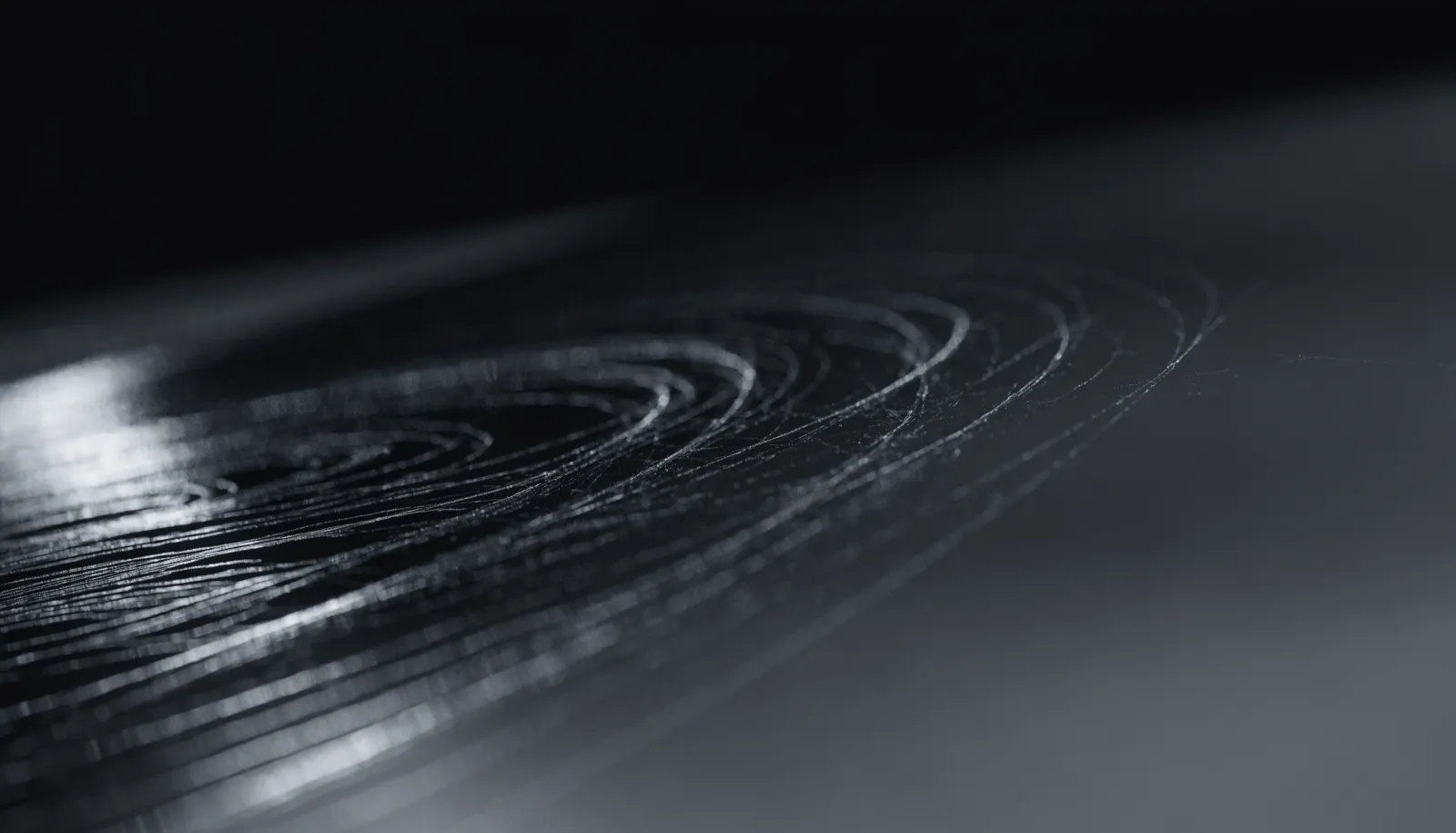
And it changes the surface in ways you feel every wash. A coated car is slicker, sheds water and road film more readily, and resists the light marring that a wash inflicts in the first place. Resists is the operative word again. Better wash behavior means fewer new swirls, not the disappearance of existing ones. That is the right expectation to set: a coating reduces how much marring you introduce, it does not erase what is already there.
How to treat a coated car so it stays looking right
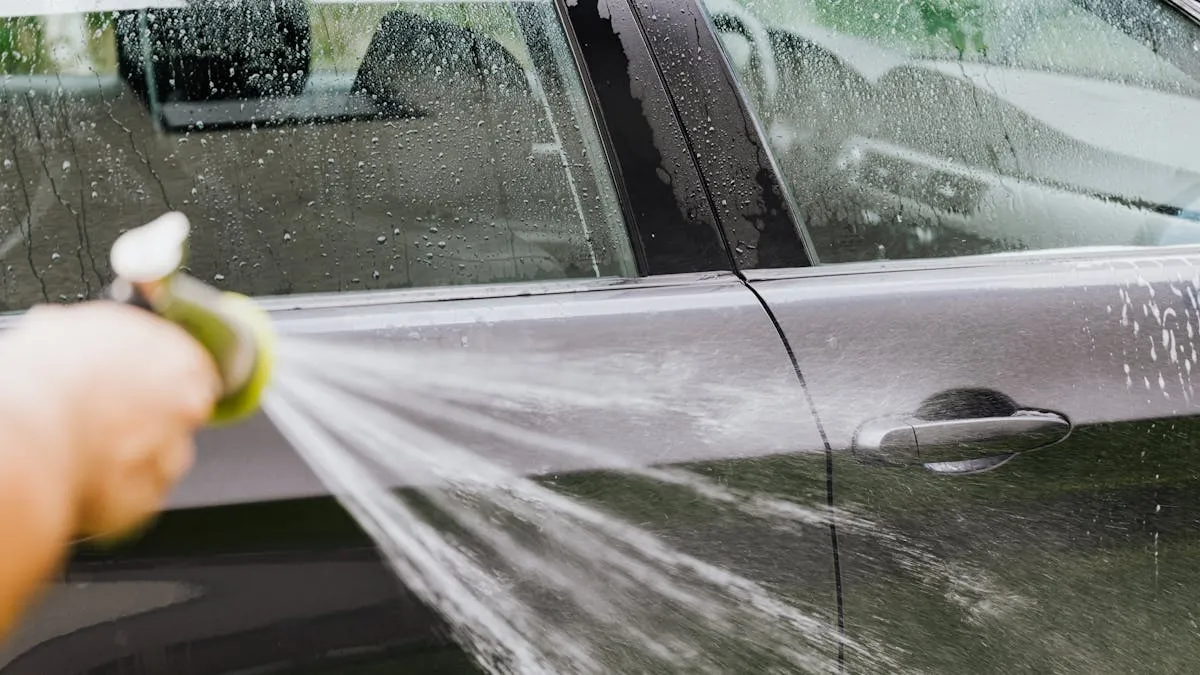
Because the coating does not heal, the way you wash it is the single biggest factor in how it looks over time. Every swirl mark on coated paint is one you put there, almost always during washing, and almost always because grit got dragged across the surface. A proper two-bucket hand wash with a grit guard, clean wash media, and a quality lubricant keeps that to a minimum. Automatic tunnel washes with stiff brushes are the fastest way to swirl a coated car, and no coating on the market makes a vehicle safe for them.
When you do introduce marring despite good technique, accept that fixing it is a correction job, not a wait-and-see. Light defects in coated paint are removed the same way they are in bare paint: with machine polishing, which in this case means polishing the coating off the affected area and recoating it. This is not a failure of the coating; it is just the reality of a hard surface. It is also why doing any needed paint correction before the coating goes on matters so much, since correcting under a coating means removing that coating first.
The practical takeaway is that a coating rewards good habits and punishes shortcuts, because it has no mechanism to forgive a bad wash. Park in shade when you can, wash with proper technique, deal with bird droppings and sap quickly while the coating is buying you time, and keep the dirtiest lower panels clean. None of that is glamorous, but it is what keeps a coated finish looking the way it did the week it was installed.
The bottom line on self-healing
Ceramic coatings do not self-heal, and any claim that they do is either loose marketing or an honest mix-up with paint protection film, which genuinely does. The coating’s real value is prevention: a hard barrier that resists chemical etching, slows UV damage, and makes the car easier to keep clean and free of new swirls. The film’s value is recovery on the most exposed panels. Knowing which product does which keeps you from expecting your paint to fix itself and from treating it carelessly because you think it will.
If you are weighing a coating, film, or both for your vehicle and want a straight explanation of what each one will and will not do for your specific car and how you drive it, that is a conversation worth having with someone who installs both. At EuroLuxe, Caleb Vasquez will tell you honestly where film makes sense, where a coating makes sense, and where the two together are worth it, without overselling either. You can reach the shop at (936) 292-6056 or stop by 11701 Holderrieth Rd in Tomball, and the recommendation will be built around your paint and your driving, not around a feature that one of these products does not actually have.