Paint Correction for Black Cars: Why Dark Colors Need Extra Attention
The Black Car Dilemma
Black and dark-colored vehicles look stunning when properly maintained — nothing reflects light quite like a flawless dark finish. But they also show every single imperfection with brutal clarity. Swirl marks, scratches, water spots, and dust that would be invisible on a white or silver vehicle are prominently displayed on black paint.
This means dark vehicles need paint correction more frequently, and the correction needs to be more precise.
Why Dark Paint Shows More Defects
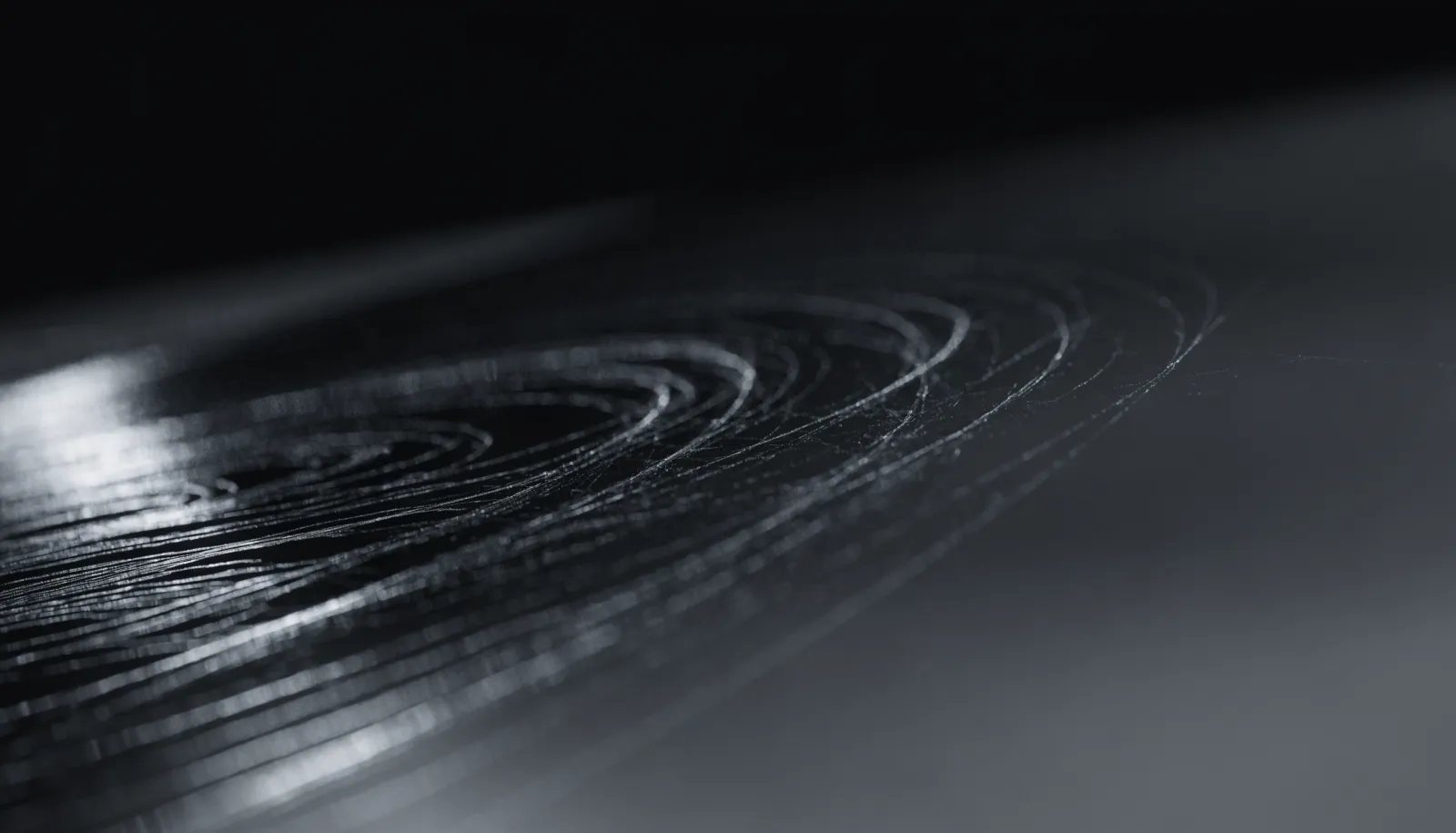
Light reflects differently off dark surfaces. On white paint, scratches scatter light in many directions — the effect is dispersed and less noticeable. On black paint, scratches create a direct contrast between the scratch (which reflects light) and the surrounding dark surface (which absorbs light). Every microscopic scratch becomes a visible line of reflected light.
This is why your black car looks perfect in the shade but reveals a web of swirl marks the moment sunlight hits it.
Correction Challenges for Dark Paint
You Can See Everything
What would be a satisfactory correction on white paint may not be acceptable on black. Correction must be more thorough because any remaining defects are visible. This means more passes, more inspection time, and more precision.
Hologram Risk
Dark paint shows buffer holograms (micro-trails from polishing) more prominently. The finishing stage of correction must completely eliminate any trace of the cutting stage, or the holograms will be visible under direct light. This requires a more careful finishing process.
Thin Clear Coat Concern
Some black paint formulations, particularly on Japanese vehicles, have thinner clear coat than lighter colors from the same manufacturer. Paint depth measurement before correction is especially important on dark vehicles to prevent over-correction.
Dust Visibility During Process
Even in a controlled environment, dust particles landing on wet dark paint during polishing can create micro-scratches. Our climate-controlled application bay and meticulous wipe-down procedures prevent this, but it’s an additional consideration.
The Right Approach
For black and dark vehicles, we recommend:
- Full two-stage correction minimum — Single-stage rarely achieves the defect-free surface that dark paint demands
- Paint depth measurement on every panel — Know your clear coat thickness before starting
- Multiple inspection passes — Check under LED lighting at multiple angles after each stage
- Dedicated finishing polish — A fine finishing product specifically chosen for dark paint
- Immediate ceramic coating — Protect the corrected surface before any exposure to the elements
Maintaining a Corrected Black Vehicle
After correction, dark vehicles need careful maintenance to prevent swirl marks from returning:
- Never use an automatic car wash — One trip destroys weeks of careful correction
- Wash with high-quality microfiber only — Cheap towels are the enemy of dark paint
- Use the two-bucket method religiously — Cross-contamination shows immediately on dark surfaces
- Apply ceramic coating — Professional ceramic coating adds a hard protective layer that resists swirl marks significantly better than bare clear coat
- Park in a garage or covered area — Minimize UV exposure and environmental contamination
Dark Paint + Ceramic Coating = Maximum Impact
The visual difference ceramic coating makes is most dramatic on dark vehicles. The coating adds depth and gloss that makes black paint look liquid — like you’re looking into a pool of ink rather than at a flat surface. Combined with proper paint correction, the result is the deepest, most reflective finish possible.
Schedule your dark vehicle’s paint correction and coating.