PPF on painted bumpers: soft surfaces first
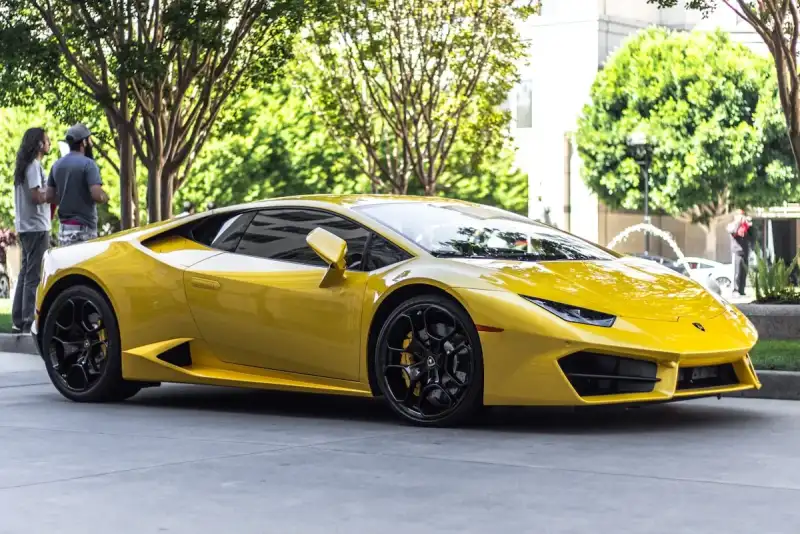
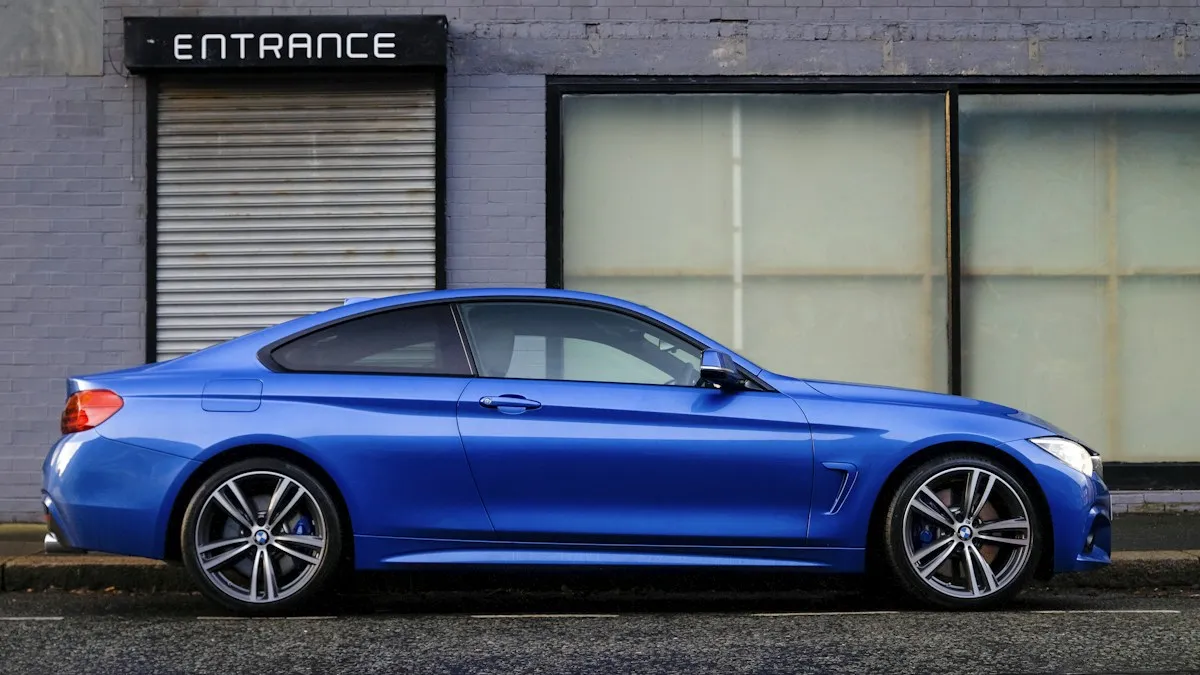
Paint protection film belongs on painted bumpers first, not last. Soft thermoplastic covers take highway debris, parking-lot hits, and flex that steel panels do not, so rock chips and scuffs show up there fastest on North Houston cars.
The material difference matters here. Factory bumper covers are injection-molded thermoplastic, coated with a flex-additive primer and then painted to match the body. The flex additive makes the substrate more forgiving in a low-speed impact, but it also makes the paint layer marginally softer and more susceptible to rock chips, scuffs, and micro-abrasion than the steel or aluminum panels above it. On a highway commute, the front bumper is the first surface to intercept gravel kicked up by other vehicles. On a parking lot, the rear bumper is the first surface to contact a wayward shopping cart or the bumper of another vehicle stopping a few inches too late.
PPF applied to both bumpers does not make either surface indestructible, but it does absorb the kind of repeated minor contact that slowly erodes the paint over the life of the car. Understanding what goes into that installation helps owners set realistic expectations and make informed decisions about coverage scope.
Why bumper geometry makes installation harder than it looks
A flat hood or roof panel is forgiving from an installation standpoint. The film lies down over a large, relatively consistent surface with predictable curves. Bumpers are the opposite. They wrap around corners, roll under the vehicle toward the lower fascia, feature molded-in vents and grilles, and transition between multiple radii within a small area. That geometry requires a skilled installer to heat and stretch the film so it conforms without creating tension lines, lifting edges, or visible seams in conspicuous locations.
The front bumper on most modern vehicles is particularly complex. The lower air intake opening, the fog light pockets, the flares where the bumper meets the fenders, and the license plate recess all interrupt the film’s path. A quality installation accounts for each of those interruptions and decides whether to trim the film to the edge of an opening or wrap it into the recess for better coverage and edge adhesion.
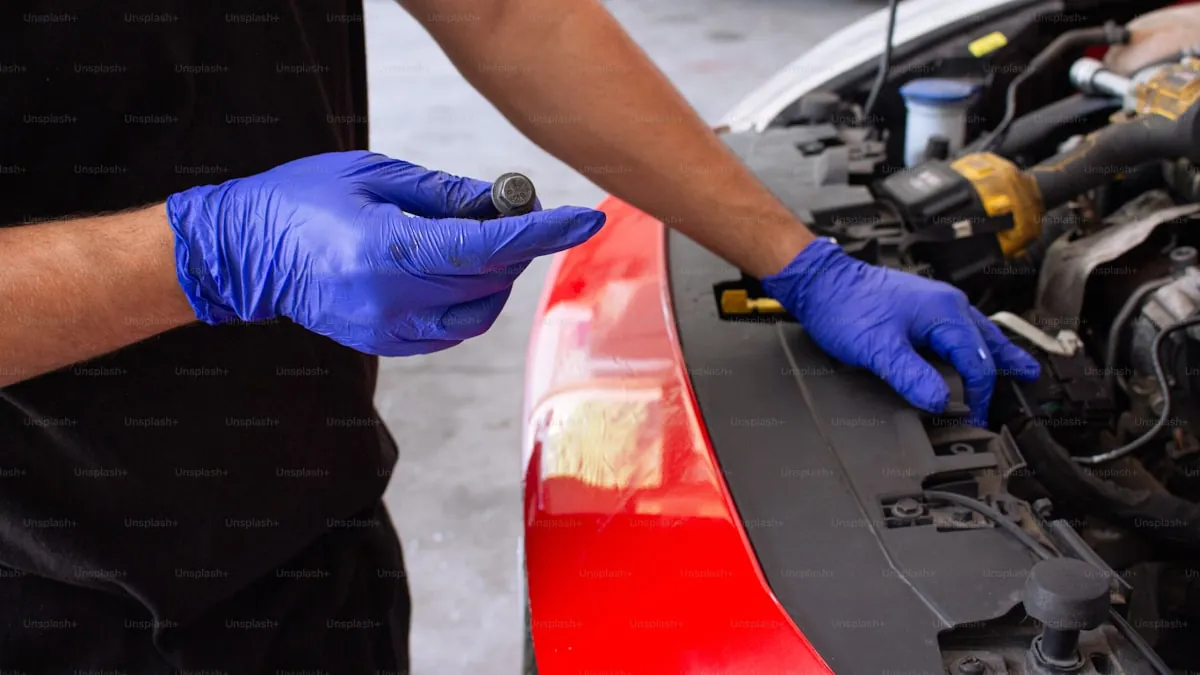
At EuroLuxe, we use UltraFit film, which has the conformability needed to handle tight radii without fisheyes or bubbling. That matters most on bumpers, where the geometry demands it. Work on bumpers is done inside our climate-controlled bay, which keeps the film and the substrate at a stable temperature during application. Film applied in variable heat expands and contracts during cure, which is one of the causes of edge lifting on installations done outside or in uncontrolled conditions.
Front bumper coverage: where to start and what to include
The standard starting point for front bumper PPF is the full painted fascia — the area above the lower air intake opening, across the width of the bumper, and down the sides where the bumper wraps toward the wheel wells. This covers the highest-impact zone for highway debris. Stones kicked up at 70 mph hit the front bumper first. Without film, those impacts leave chips that are small individually but accumulate into a scattered pattern of raw primer or bare substrate within a year or two of regular highway driving.
Owners commuting on routes like Highway 249, the Grand Parkway, or I-45 through North Houston see this progression faster than average. Those roads carry heavy commercial traffic, and the debris load is higher than on residential streets. A commuter putting 25,000 miles a year on a vehicle in this area is exposing their front bumper to conditions that justify film coverage from the first month of ownership.
Below the main fascia, the lower front splitter area and the exposed edge of the bumper beneath the grille opening also benefit from coverage, though the approach depends on the vehicle. Some lower fascia sections are textured rather than painted, and film on textured plastic looks and performs differently than on a gloss-painted surface. A thorough pre-installation consultation identifies which sections are worth covering and which are better left as-is.
Rear bumper considerations and the case for bilateral coverage
The rear bumper presents a different set of risks than the front. Highway debris is less of a factor at the rear — the panels behind the car are shielded from oncoming road material. What the rear bumper faces instead is repeated low-speed contact: loading a vehicle’s cargo area while a bag drags across the top edge of the bumper, another driver nudging the rear of your car in a parking lot, a bike rack clamp that shifts slightly under vibration. Those interactions happen at low energy but with hard objects, and they concentrate on a small area of the upper rear bumper edge.
That edge — the horizontal surface at the top of the rear bumper, just below the trunk lid or liftgate — is one of the most consistently damaged surfaces on any vehicle that sees regular use. Film on that edge alone pays for itself in preserved paint. Full rear bumper coverage extends that protection down the vertical face and onto the lower section, which is exposed to road spray, mud accumulation, and occasional rear-end contact.
Owners of SUVs and trucks often load cargo with less precision than sedan owners, which makes rear bumper film particularly practical for those vehicle types. If you are regularly lowering a tailgate with tools or gear, or loading a liftgate-equipped SUV with outdoor equipment, the rear bumper paint is under consistent mechanical stress. Paint protection film on that surface absorbs the contact rather than the substrate.
Self-healing film behavior on bumper surfaces
UltraFit film incorporates a self-healing topcoat that recovers from light surface scratches when exposed to heat. On bumper panels, this property is particularly useful because those surfaces accumulate exactly the kind of fine marring that self-healing addresses — light contact scratches from brushing past objects, wash-induced swirling from improper drying technique, minor abrasion from contact with clothing or bags.
The healing mechanism activates at elevated temperatures, either ambient heat in a Texas summer or deliberate application of a heat gun. It does not repair deep gouges or cuts that penetrate through the film’s thickness, but it does restore the surface from the superficial abrasion that makes paint look dull and used. For a daily driver with painted bumpers, that ongoing recovery extends the useful life of the film and keeps the appearance closer to new over a longer service interval.
The self-healing behavior is consistent across flat and curved sections of the bumper, though highly stressed areas — like a sharp edge or a tight corner where the film is under tension — may show some edge lifting over time if the installation did not fully account for those stresses during application. This is another reason installation quality determines how the film performs over its full service life, not just on day one.
Coordinating bumper film with broader protection decisions
Bumper-only PPF is a reasonable entry point for owners who have a specific budget or who want to address the highest-risk panels without committing to a full front or full-body installation. It is not, however, a complete protection strategy on its own. The hood, front fenders, and mirrors face similar rock chip exposure as the front bumper on highway routes. Owners who address the bumper and then see chips accumulate on the adjacent hood sometimes wish they had extended coverage from the start.
The practical approach is to decide on coverage zones before installation rather than adding incrementally, because each addition requires prep and film edges in locations that could have been avoided with a wider initial scope. A consultation that walks through the vehicle’s use case — daily highway commute, weekend-only driving, track days, off-road use — produces a coverage recommendation that makes sense for the actual risk profile rather than a generic package.
For owners who want to layer ceramic on top of film, paint correction done before either product is applied ensures the surface under the film is in good condition. Film installed over existing chips, scratches, or contamination traps those defects permanently, so pre-installation paint condition matters.
If you are deciding how to protect a vehicle’s bumpers and want to talk through what coverage makes sense for how you use the car, call EuroLuxe at (936) 292-6056. The shop is located at 11701 Holderrieth Rd in Tomball, and the team works with vehicles from across North Houston, including The Woodlands, Cypress, Spring, Conroe, and Kingwood.
Bumpers are not a glamorous starting point for paint protection, but they are the logical one. They absorb the first and last contact on nearly every trip, and the paint on them is thinner and more vulnerable than most owners realize. Getting them covered early costs less than repainting them later.