Protecting Your New 2026 Truck: F-150, Silverado & RAM 1500 Compared
Spring Is Truck Season in Texas
Tax refund checks are landing, dealership lots are running spring promotions, and Texas truck buyers are out in force. If you just picked up a new 2026 F-150, Silverado, or RAM 1500 — or you’re about to — the smartest thing you can do is protect that paint before it takes its first highway trip.
We see all three of these trucks regularly at our Tomball shop, and each one has different paint characteristics, different problem areas, and different protection needs. Here’s what we’ve learned from installing paint protection film on hundreds of full-size pickups.
Factory Paint Quality: Not All Trucks Are Equal
A common misconception is that all new vehicles come with the same quality of paint. They don’t. Paint thickness, clear coat durability, and application consistency vary significantly between manufacturers — and even between colors on the same truck.
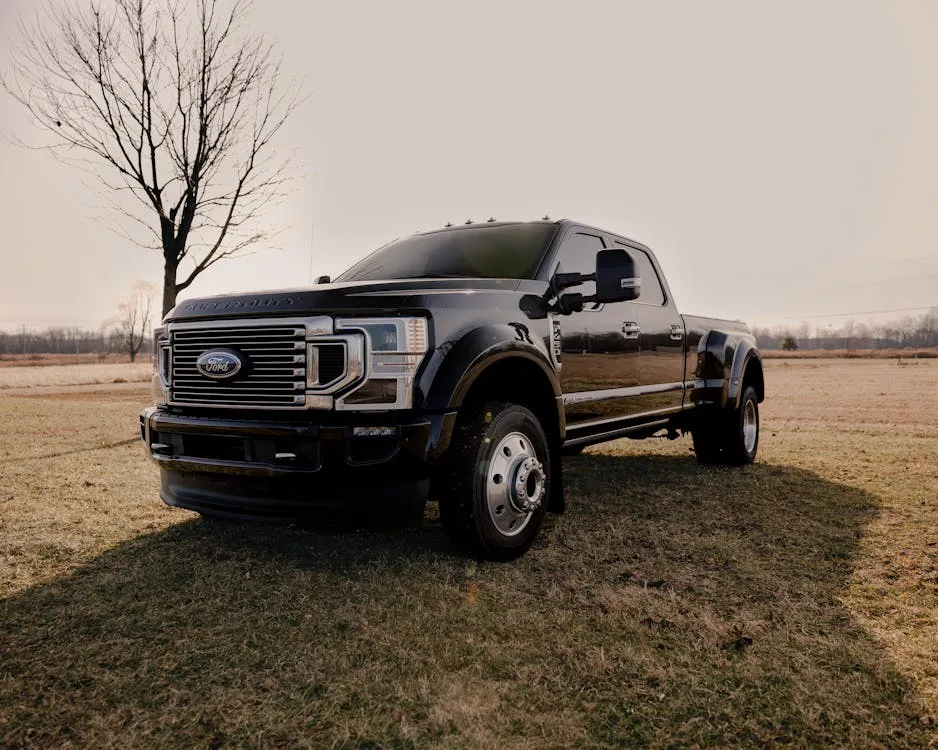
Ford F-150
The 2026 F-150 uses aluminum body panels, which Ford has been refining since the 2015 model year. Aluminum is lighter than steel but presents unique challenges for paint adhesion. Ford’s paint system has improved considerably, but we consistently measure thinner paint on F-150s compared to the other two trucks, averaging 3.5-4.5 mils across most panels.
Where it chips first: The flat, vertical front face of the F-150’s grille area and the leading edge of the hood take tremendous abuse. The aerodynamic profile of the F-150 channels air (and debris) directly into the front end. We see rock chip damage on unprotected F-150 hoods within the first 1,000 highway miles.
Color matters: Iconic Blue and Rapid Red show chips most visibly. Oxford White hides minor chips better but shows them once they rust (and they will in Houston humidity).
Chevrolet Silverado
The 2026 Silverado uses a mix of steel body panels and aluminum for the hood. GM’s paint quality is generally consistent, and we typically measure 4.0-5.0 mils across painted surfaces. The clear coat is reasonably durable for a factory application.
Where it chips first: The Silverado’s prominent front fenders extend forward of the hood line, catching debris that other trucks deflect. The fender edges are a known weak spot. The rocker panels also take significant abuse, particularly on the crew cab models where the longer wheelbase sends more debris rearward along the body.
Color matters: The Silverado’s darker metallic colors (Black, Harvest Bronze Metallic) show chips and swirls quickly. Sterling Gray Metallic is more forgiving.
RAM 1500
The 2026 RAM 1500 continues to use high-strength steel for most body panels. RAM’s paint quality has been competitive, typically measuring 4.5-5.5 mils — the thickest of the three on average. The clear coat feels robust and resists chemical damage well.
Where it chips first: The RAM’s massive grille and prominent hood scoop (on sport models) are rock chip magnets. The vertical height of the grille presents a large target area. The lower front bumper, which is more exposed than on the F-150 or Silverado, collects chips from close-following traffic and parking lot debris.
Color matters: Hydro Blue and Delmonico Red are gorgeous but unforgiving when chipped. Diamond Black Crystal is particularly challenging — it’s a deep, complex color that shows any imperfection.
Recommended PPF Coverage by Truck
Based on our installation experience and the specific chip patterns we see on each truck, here’s what we recommend.
F-150: Prioritize the Full Front
The F-150’s aluminum body and thinner paint make comprehensive front-end protection essential. Our recommended coverage:
- Full hood — The flat profile and thinner paint make this the highest priority
- Full front fenders — Including the edges where chips accumulate
- Front bumper — The chrome or body-colored bumper takes constant hits
- Mirror caps — Highway debris ricochets off the A-pillars directly into the mirrors
- A-pillars — Often overlooked, but they collect chips from angled debris
- Rocker panels (optional but recommended) — Aluminum is more susceptible to denting from large road debris
Budget option: If you can’t do everything at once, start with the hood and front bumper. These are the highest-impact areas on the F-150.
Silverado: Focus on Fenders and Rockers
The Silverado’s fender-forward design means targeted fender protection pays off disproportionately:
- Full fenders — The number-one priority for Silverado owners
- Full hood — Standard high-impact area
- Front bumper — Including the lower valance
- Rocker panels — Especially crew cab models with the extended wheelbase
- Mirror caps — Same highway debris exposure as any truck
- Bed rails (optional) — If you load and unload cargo regularly
Budget option: Full fenders and partial hood (24 inches back from the leading edge). This addresses the Silverado’s specific vulnerability pattern.
RAM 1500: Protect That Massive Grille
The RAM’s imposing front end needs comprehensive coverage due to the sheer surface area exposed to debris:
- Full front bumper and grille surround — The vertical height of the RAM grille makes this critical
- Full hood — Including the hood scoop on equipped models
- Full fenders — Standard coverage
- Mirror caps — Particularly important on towing mirrors that extend outward
- Lower bumper and air dam — More exposed than competitors
- A-pillars and windshield header (optional) — For highway-heavy drivers
Budget option: Front bumper/grille surround and partial hood. The RAM’s grille takes more direct hits than any other truck in this class.
Ceramic Coating: The Whole-Truck Solution
PPF handles the high-impact zones, but what about the rest of the truck? Door panels, bed sides, tailgate, cab roof — these surfaces all need protection from UV, bird droppings, pollen, and environmental contamination.
A full-truck ceramic coating applied over and around the PPF creates a seamless protection system:
- PPF absorbs physical impacts on the front end
- Ceramic coating provides chemical and UV resistance across every surface
- The hydrophobic properties keep the entire truck cleaner longer — and when you’re maintaining a vehicle this large, easier washing is a genuine quality-of-life improvement
We apply GYEON MOHS EVO ceramic coating and UltraFit PPF, and both products are engineered to work together without adhesion or compatibility issues.
The Best Time to Protect Is Now
Every mile you drive without protection is a mile of potential chip damage that PPF can’t undo. Rock chips, once they happen, require touch-up paint or professional repair — and they never look as good as undamaged paint. The film goes on easiest and looks best when applied to clean, undamaged surfaces.
If you just bought your truck, or if you’re picking one up soon, schedule your PPF installation before you rack up highway miles. We work with all three trucks regularly and have UltraFit patterns optimized for each model’s specific body lines and curves.
Get a quote for your 2026 truck and we’ll put together a protection package that matches your driving habits and budget.