Window Tinting for Teslas and EVs: Special Considerations
Why EVs Benefit More from Tinting
Electric vehicles have a unique relationship with window tinting that makes it even more valuable than on gas-powered vehicles.
Range Impact
AC usage directly reduces EV range. Tesla estimates that AC use can reduce range by 10-30% depending on conditions. By reducing solar heat load through the cabin, ceramic window tint allows the AC to work less aggressively, preserving 5-15% of the range that would otherwise be lost to cooling.
For a Tesla Model 3 with 272 miles of range, that’s 13-40 additional miles per charge during summer months. Over a year of Texas driving, the cumulative range savings are significant.
Battery Thermal Management
Excess cabin heat forces the vehicle’s thermal management system to work harder, which also draws battery power. Reducing solar heat load through the glass surfaces reduces this parasitic load.
Large Glass Areas
Modern EVs, especially Teslas, feature enormous glass surfaces. The Model 3 and Model Y have full glass roofs. The Model X has a massive windshield that extends overhead. These large glass areas allow significantly more solar energy into the cabin than traditional vehicles.
Tesla Glass Roof Tinting
Tesla’s glass roof includes factory UV protection, but it does NOT include significant infrared (heat) rejection. The factory glass blocks UV rays effectively but lets infrared heat pass through freely. This is why Tesla owners frequently report that the glass roof makes the cabin uncomfortably warm.
Ceramic tint applied to the glass roof adds the missing infrared rejection:
- Blocks 80-97% of infrared heat
- Reduces the “greenhouse effect” from the large glass surface
- Makes rear seat occupants significantly more comfortable
- Preserves the glass roof’s appearance and light transmission
Installation Considerations
Tesla glass roof panels require careful installation due to:
- Curved surface — The roof glass has compound curves that require skilled film application
- Sensor zones — Cameras and sensors must remain unobstructed
- Larger panel area — More surface means more precision needed to avoid bubbles
- Tint darkness choice — Most owners choose 50-70% VLT for the roof to maintain light while blocking heat
Signal Interference: Why Film Type Matters
EVs rely heavily on wireless communication:
- GPS navigation
- Cellular connectivity (for OTA updates)
- Bluetooth for phone integration
- WiFi for updates and smart features
- Toll transponders
- Key fob/phone key signals
Metalized window tint interferes with all of these. The metallic particles that make metalized film effective at reflecting heat also reflect radio waves, degrading or blocking the signals your EV depends on.
Ceramic tint has zero signal interference. The nano-ceramic particles block infrared heat without affecting radio frequencies. For EVs, ceramic tint is the only acceptable option.
Windshield Tinting for EVs
Applying a clear or nearly clear (70%+ VLT) ceramic film to the windshield is especially valuable for EVs:
- Blocks significant heat through the largest glass surface
- Reduces AC load and improves range
- Protects the dashboard and screen from UV damage
- Reduces driver glare without affecting visibility
- Does not interfere with cameras, sensors, or autopilot systems
Tesla’s autopilot cameras look through the windshield — the film must be optically clear and not interfere with camera performance. Premium ceramic films are designed for this compatibility.
Tint Recommendations for Popular EVs
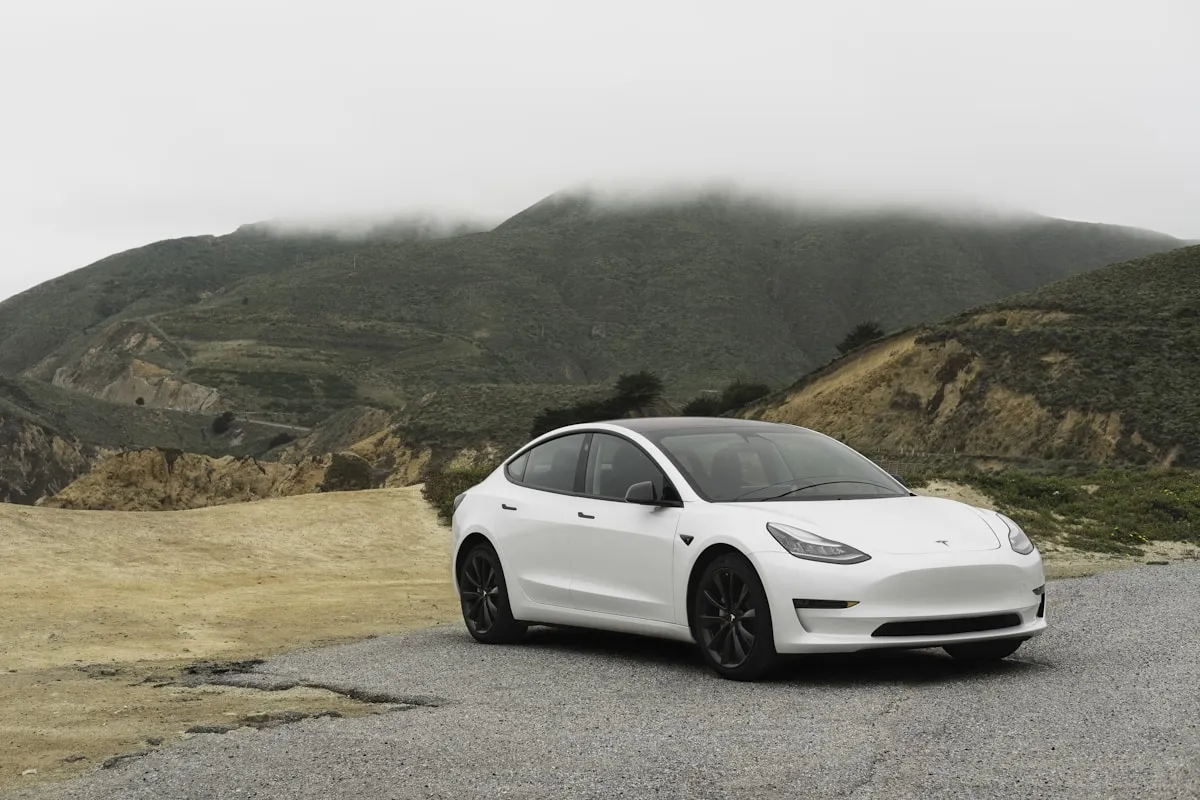
Tesla Model 3/Model Y
- Front windows: 25% VLT ceramic (legal max in Texas)
- Rear windows: 15-20% VLT ceramic
- Glass roof: 50-70% VLT ceramic (heat rejection without darkening)
- Windshield: 70%+ VLT ceramic (clear heat rejection)
Tesla Model S/Model X
Same front/rear configuration, plus:
- Model X panoramic windshield: Clear ceramic film essential due to the enormous glass area
- Model S liftback glass: 15-20% VLT ceramic
Rivian, Ford Mach-E, BMW iX
Standard sedan/SUV tint configurations with ceramic film to avoid signal interference with EV-specific electronics.
The EV Tinting Investment
For EV owners, ceramic tinting isn’t just about comfort — it directly affects range, battery health, and the long-term condition of your interior. The ROI through preserved range alone makes ceramic tinting one of the highest-value modifications for any electric vehicle.
Schedule your EV tinting and we’ll customize a package for your specific vehicle.