Auto detailing near Fairfield Village and Northwest Houston
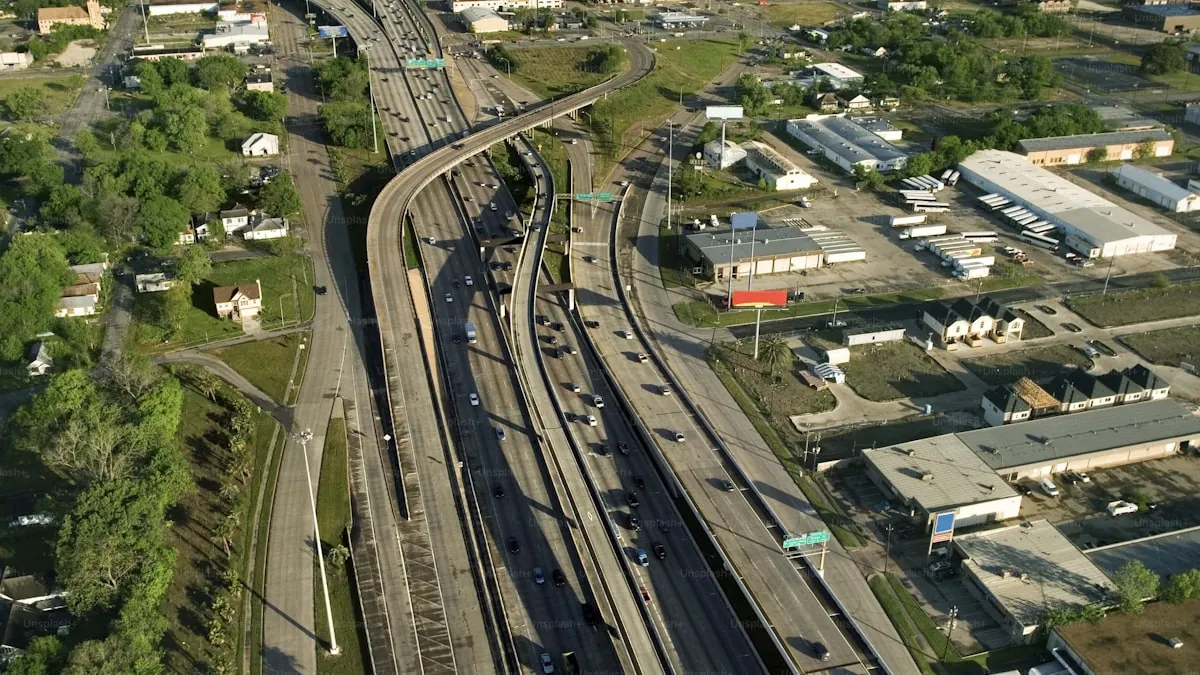
Northwest Houston has grown faster than its road infrastructure in some areas, and the consequences show up on paint. Drivers commuting from Fairfield Village, Cypress Creek Lakes, Towne Lake, and the corridor stretching out along FM 529 and Barker Cypress deal with construction debris, fresh chip-seal patches, standing water after Gulf rain systems, and an almost year-round UV load that most temperate-climate owners would not recognize. The vehicles parked in garages in these neighborhoods are often newer, often European or domestic luxury, and often not protected beyond a factory clear coat.
Tomball is roughly 15 to 20 minutes north of most of these communities by way of TX-249 or Telge Road, which makes EuroLuxe Detailing a realistic option for owners who would rather drive a short distance than settle for a shopping-center detailing tent closer to home. What follows is a straightforward look at what the northwest Houston environment actually does to paint, what services address it, and how to think about sequencing protection work on a vehicle you plan to keep.
What the northwest Houston environment does to paint
The Cypress Creek watershed runs through this part of Harris County, and the combination of flooding events, high ambient humidity, and summer heat creates conditions that accelerate paint degradation at every layer. Water spotting is the first visible symptom most owners notice. When rain water or sprinkler water evaporates on a horizontal surface, the minerals left behind etch into clear coat over time. The longer you wait between washes, the more cycles of deposit and bake-in accumulate.
Construction in the Towne Lake, Bridgeland, and Lakeland Village areas adds another variable. Trucks hauling aggregate and concrete leave road grime with high alkalinity. That material bonds to paint differently than ordinary road dust and requires a proper chemical decontamination step before any protective product will bond correctly. Running a hand over a car you think is clean and feeling a sandpaper texture means contamination, not just dirt.
Tree canopy in the older parts of Cypress Creek and the Fairfield area introduces a separate problem: oak and pecan pollen in spring, and tree sap throughout the warmer months. Sap bonds to clear coat quickly in heat and, if left for more than a day or two, requires mechanical removal that risks marring the surface. Bird droppings are similarly aggressive. Both need to come off within hours in Texas summer temperatures, not days.
How paint correction fits into the picture
Most vehicles that come to us from northwest Houston without prior protection history need some level of correction before a coating or film goes on. The paint on a three-year-old daily driver that has been through a tunnel wash regularly is typically full of fine circular scratches that scatter light and reduce the depth of the color. On dark cars the effect is obvious in direct sunlight. On white or silver cars it still matters for long-term preservation because those scratches are weak points in the clear coat where water and contamination settle.
Paint correction is not cosmetic work done for vanity. It removes a controlled amount of clear coat to level the surface below the scratch depth. A properly corrected panel reflects light uniformly and is in better mechanical condition to accept a coating or film. The difference in gloss depth before and after a single-stage correction on a black or dark blue vehicle is significant enough that most owners are surprised when they see it for the first time.
Skipping correction and coating over damaged paint locks the defects in. A ceramic coating does not fill scratches. It seals whatever surface is underneath it. Starting with a corrected surface means the protection you apply is protecting intact material, not compromised clear coat.
Paint protection film for northwest Houston driving
For owners who commute regularly on TX-249 north of Spring Cypress Road or run out to US-290, rock chips are a constant exposure. The highway work zones between Tomball and the 99 Grand Parkway generate loose aggregate, and following distance rarely provides adequate protection from chip damage at highway speed. A single rock strike on a hood or bumper cap is a small problem until it starts to rust, rust through the primer, and become a repair that costs several multiples of what early protection would have cost.
Paint protection film on the front end of the vehicle is the most direct answer to chip exposure. EuroLuxe installs UltraFit film, which is a thermoplastic polyurethane product with genuine self-healing properties in the topcoat layer. Light scratches from car wash brushes, brush contact in a parking garage, or fine debris migrate out of the film surface with heat. Rock chip impacts are arrested by the film and do not reach the paint underneath. A full front package covering the hood, fenders, front bumper, mirrors, and A-pillars addresses the panels that accumulate the majority of highway damage.
Owners who park under pecan or oak trees have additional reason to consider film on horizontal surfaces. Sap that lands on PPF can be removed without risk to the underlying paint. On bare clear coat, the same sap may require mechanical removal that introduces marring. The film acts as a sacrificial surface that is replaceable; the factory paint underneath is not.
Ceramic coating as a baseline layer
For panels not covered by film, and for owners who want a baseline level of protection across the entire vehicle, a professional ceramic coating reduces the maintenance burden substantially. Gyeon coatings form a cross-linked silica matrix on the paint surface that is significantly harder and more chemically resistant than factory clear coat. Water, including the mineral-laden sprinkler water common in Cypress Creek area neighborhoods, sheets off rather than sitting and evaporating.
The practical effect for northwest Houston owners is fewer water spots between washes, easier removal of contamination when washing, and a surface that does not require wax or sealant application to maintain a protective layer. The coating does not make a car invincible, but it meaningfully changes the maintenance equation for a driver who washes their vehicle every one to two weeks and parks primarily outdoors.
Coatings require a controlled environment to install correctly. Humidity, temperature, and airborne contamination all affect how the product cures. Our climate-controlled bay in Tomball exists specifically because Houston’s ambient conditions during most of the year are outside the application window for professional-grade ceramic products. What goes on in a garage in July humidity does not cure the same way as what goes on in a temperature-regulated installation space.
Practical sequencing for a vehicle you plan to keep
If you are driving a newer vehicle from Fairfield Village or Towne Lake and have not yet added any protection, the sequence matters. Decontamination comes first: chemical iron removal, clay bar or chemical clay equivalent, and a panel-wipe with a prep solvent. If the paint shows correction-level defects, correction before coating. Film on the high-impact areas before or after coating depending on the specific film product and the shop’s process. Ceramic over the remaining painted surfaces and over the film topcoat if the film manufacturer’s specifications allow it.
None of this has to happen in a single appointment. Some owners start with a correction and a partial coating application, then add film to the front end several months later when the budget allows. Others come in with a new vehicle purchase and want the complete stack installed before the first highway mile. Either approach works. What does not work well is adding coating over uncorrected paint, or applying film to a contaminated surface, because the baseline condition of the panel determines how well every subsequent layer performs.
If you are working through what your specific vehicle needs and want a direct conversation about condition, priorities, and cost, call (936) 292-6056 to speak with someone at the shop. We can talk through what makes sense before you book anything.
The northwest Houston growth corridor has brought a lot of vehicles onto roads that were not built for that volume, and into neighborhoods where the environment makes paint care genuinely necessary rather than optional. Understanding what is happening to your clear coat, and addressing it in the right order, is how you keep a vehicle looking and holding value the way it should over the years you own it.