Auto detailing guide for Memorial Villages and west Houston drivers
The Memorial Villages corridor — Bunker Hill, Hedwig Village, Piney Point, Hunters Creek, Spring Valley, and Hilshire Village — sits just west of the 610 Loop and feeds directly into the Energy Corridor. Residents here tend to keep their vehicles longer than average, spend real money on them upfront, and then expose them to some of the worst conditions in the Houston metro every single day. The I-10 Katy Freeway commute dumps construction debris, rock chips, and brake dust onto paint that rarely gets a proper wash between quarterly trips to a tunnel car wash. Covered parking is inconsistent. Summer sun is relentless from April through October.
The drive from Memorial to Tomball via TX-249 or the Grand Parkway takes about thirty to forty minutes depending on traffic. That is a reasonable trip for a service that lasts years. Owners from this corridor have been making that drive to EuroLuxe Detailing for exactly that reason — the work is done in a climate-controlled installation bay, which matters significantly for ceramic coating cure times and PPF adhesion quality in Houston’s humidity.
What west Houston driving actually does to paint
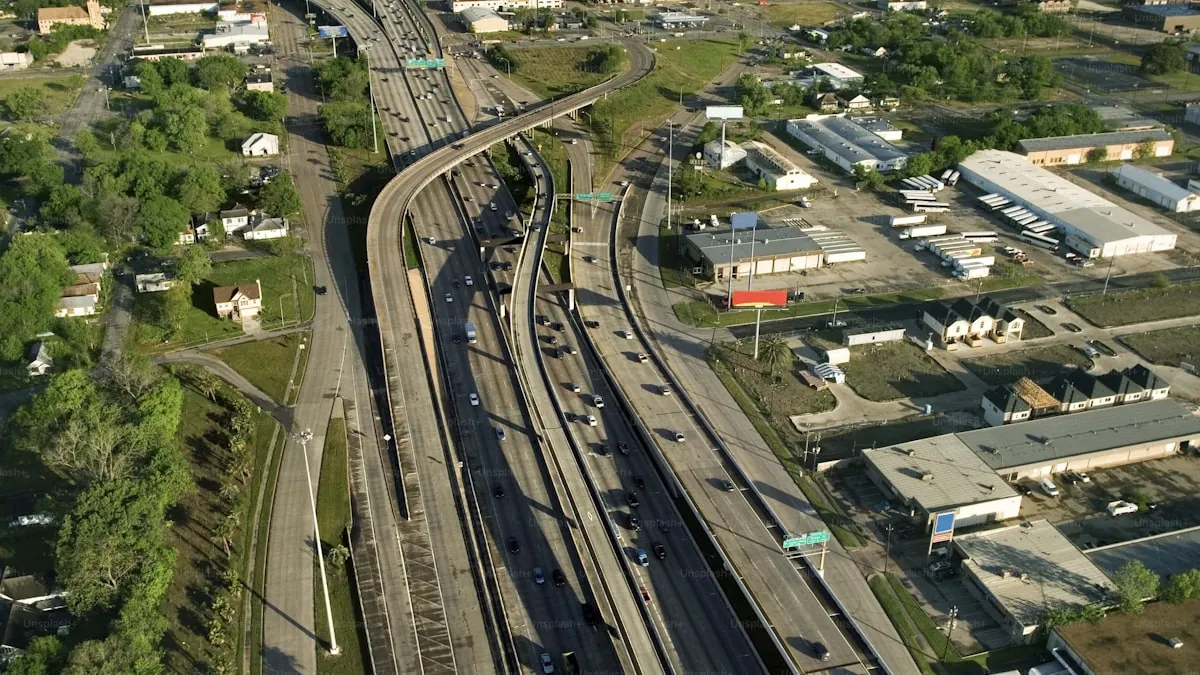
The Energy Corridor commute on I-10 is one of the heaviest commercial truck routes in the metro. Aggregate trucks, concrete mixers, and flatbeds loaded with construction materials are constant. Rock chips accumulate on hoods and leading edges of fenders faster here than on surface streets. Vehicles parked in surface lots near the Galleria or CityCentre sit under UV index readings that regularly hit 10 or 11 from June through August.
Most of the older homes in Memorial and Piney Point have single-car garages or detached structures, which means one vehicle often lives outside. Oak and pecan trees are everywhere in this neighborhood, and tree sap is acidic. Left on paint for more than a day or two in summer heat, it begins to etch into the clear coat. Bird droppings do the same thing faster. Neither problem is prevented by a car wash wax.
Paint correction as a starting point
Many vehicles that come in from the Memorial area carry paint that looks fine from ten feet but shows heavy swirl marks and fine scratches under proper lighting. Automatic tunnel washes are part of the reason, but so are improper drying towels and gas-station self-wash wands. Before any protective coating makes sense, the surface has to be corrected.
Paint correction removes these defects mechanically, using machine polishers and diminishing-abrasive compounds on a properly staged panel-by-panel basis. It is not a detail. It is not a polish applied by hand. Done correctly, it brings the clear coat back to a flat, high-clarity surface that reflects light the way it was designed to. For dark colors common in the Memorial area — navy blue, black, graphite — the difference is immediate and significant.
If a vehicle is going to receive a ceramic coating or PPF afterward, the paint correction step is not optional. Coating over swirl marks seals them in. Film applied over contaminated paint traps the defects underneath.
Ceramic coating for Memorial Villages vehicles
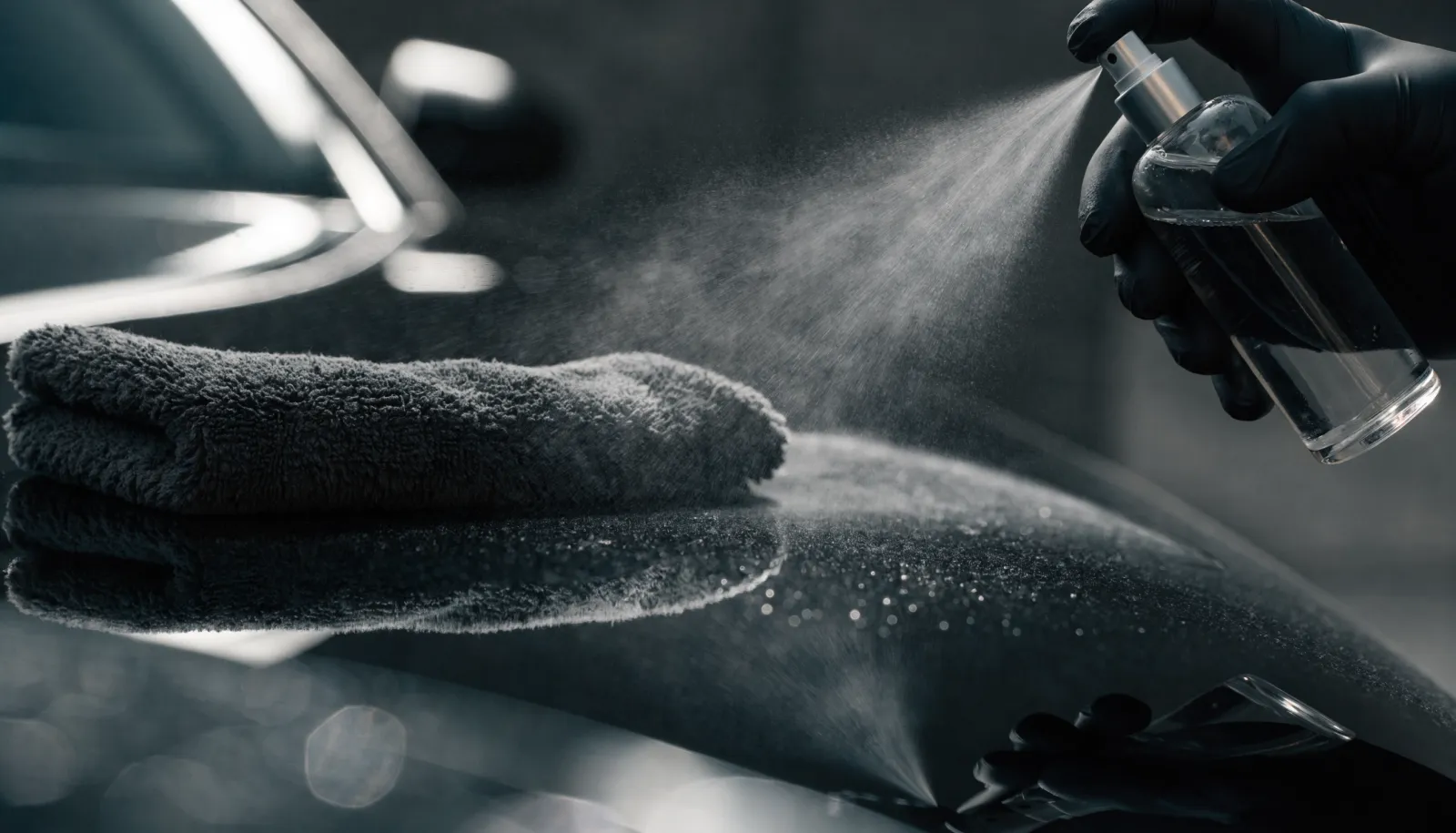
Gyeon ceramic coatings form a cross-linked silica matrix over the clear coat, increasing surface hardness, UV resistance, and hydrophobic behavior. For vehicles that live outside or commute daily on I-10, this is the baseline protection level that makes maintenance manageable. Water beads and sheets off rather than pooling, which means mineral deposits and contaminants have less contact time with the paint surface.
Ceramic coating longevity in Houston depends heavily on application conditions. Humidity above 70 percent during the coating flash stage creates adhesion problems that shorten the life of the product. A climate-controlled bay removes that variable. It also allows installers to work under proper lighting to verify panel coverage and catch any application defects before the coating cures.
For daily drivers doing the I-10 commute, a well-applied Gyeon coating reduces the frequency of serious paint contamination and makes each wash more effective. Maintenance washes take less time and do less damage because contaminants do not bond as aggressively to a coated surface.
Paint protection film for high-impact zones
Ceramic coating handles UV, contamination, and light contact. It does not stop rock chips. On the I-10 Katy corridor, rock chips are a genuine problem. Full-front PPF — hood, fenders, bumper, mirrors, A-pillars — handles the impact zone that sees the most highway debris.
UltraFit PPF is cut to vehicle-specific patterns and installed wet with precise edge placement. On curved body panels common to European sedans and American trucks alike, the film has to stretch without tension lines or lifting edges. Sealing the edges correctly at panel breaks prevents moisture intrusion and the lifting that causes premature failure.
For owners who want both protection from impact and the surface properties of ceramic, the two products stack directly. PPF goes down first, ceramic coating goes over it. The film handles chips, the coating handles contamination and UV, and the outer ceramic surface is easy to maintain through normal washing. This is the package that makes the most sense for vehicles driven regularly on Houston freeways.
What to expect driving from Memorial to EuroLuxe
From Bunker Hill or Hedwig Village, the most direct route is I-10 West to TX-249 North through Tomball. Alternatively, the Grand Parkway (TX-99) connects the western suburbs to the northwest without touching the I-10 corridor. EuroLuxe Detailing is located at 11701 Holderrieth Rd, Tomball, TX 77375, which is just off TX-249 and easy to reach from either direction.
Ceramic coating appointments typically run one to two days depending on the prep work required. Full-front PPF installation takes similar time. Vehicles brought in for a full correction, film, and coating package are usually in the shop for two to three days. Most Memorial area owners drop the vehicle off and arrange alternate transportation for that period rather than waiting.
If you want to talk through what your vehicle actually needs before scheduling, call (936) 292-6056. Caleb can usually give a useful assessment of likely prep requirements and which protection package fits the vehicle’s use case.
Making the investment work long-term
Paint protection is not a one-time event. Ceramic coatings benefit from a maintenance wash process that avoids aggressive chemicals, and an annual or biannual inspection to check coating integrity. PPF requires periodic inspection of edges and any areas that have taken impacts. Neither product is maintenance-free, but both dramatically reduce the effort required to keep paint in good condition over the five, ten, or fifteen years an owner plans to keep the vehicle.
For Memorial Villages residents who are already spending money on the vehicles they drive, the math on professional protection is straightforward. A quality paint correction and ceramic coating done once, maintained correctly, extends the service life of the paint and preserves the vehicle’s value in a market where appearance affects trade-in and resale pricing. Doing it right the first time is significantly less expensive than addressing paint damage after the fact.