Auto detailing for Northgate Forest and north Houston drivers
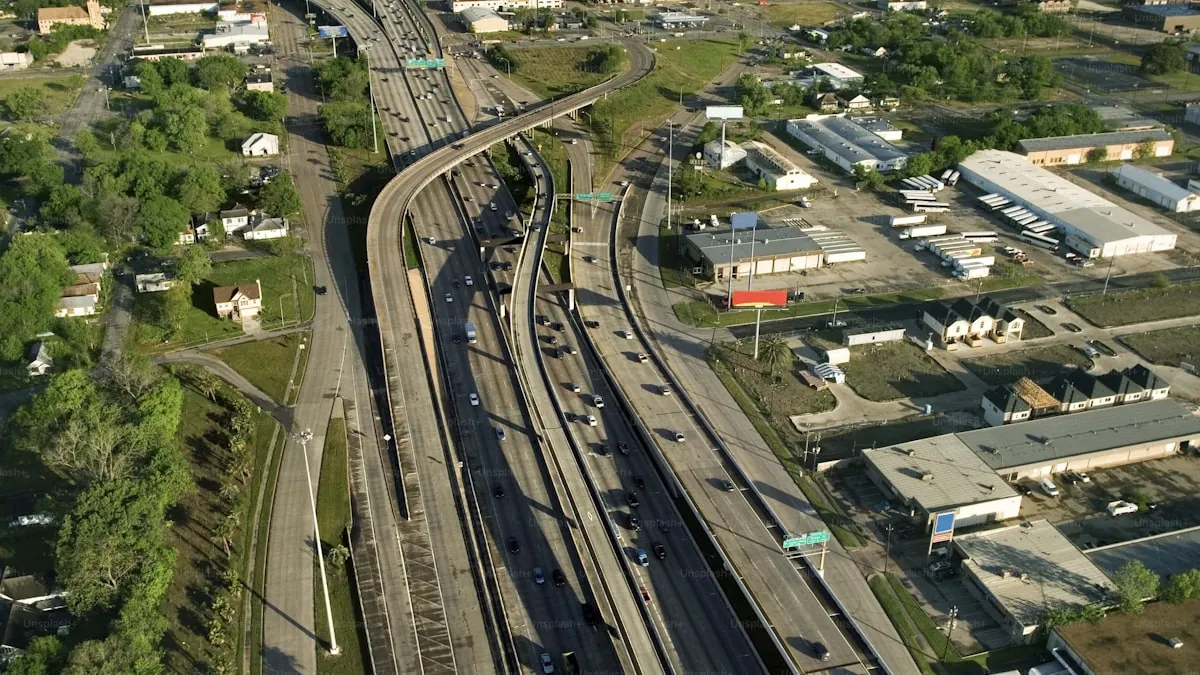
Northgate Forest sits in the northwest Houston corridor where FM 1960 and Veterans Memorial Drive converge, putting residents squarely in a band of traffic, construction runoff, and unrelenting sun that genuinely accelerates paint deterioration. The neighborhood is a short drive from major arterials feeding Highway 249 and I-45, which means vehicles collecting rock chips, asphalt tar, and industrial fallout is a routine event rather than an occasional one. Drivers here are not dealing with a single seasonal threat — they face a year-round combination of UV exposure, heavy pollen, and abrasive road debris that compounds if left unaddressed.
Most residents make the trip north to Tomball or south toward the Beltway for services, so the question is not whether to protect the vehicle but where to get that work done by someone who understands the local environment. EuroLuxe Detailing on Holderrieth Road in Tomball is roughly fifteen to twenty minutes from Northgate Forest, close enough to be a practical option without crossing into heavy freeway traffic during drop-off.
Understanding the specific threats north Houston roads pose helps owners make better decisions about which protection is appropriate for their vehicle and how they use it.
Road conditions on FM 1960 and Veterans Memorial Drive
FM 1960 between Willowbrook and the 249 junction carries significant commercial truck traffic and has ongoing utility and road work that lays down fresh gravel and tar patches. Any vehicle doing regular mileage on this stretch will accumulate micro-impacts on the front fascia, hood leading edge, and lower rockers. These are not dramatic chips visible at twenty feet — they are small intrusions into the clear coat that become visible once UV exposure begins to oxidize the exposed base coat beneath them.
Veterans Memorial Drive has a similar profile, with construction zones near developing retail corridors and school traffic that creates stop-and-go conditions where vehicles sit behind trucks throwing debris. Lower body panels and mirrors take the most consistent abuse in these conditions. Paint protection film applied to the full front end and rocker panels is the appropriate response to that specific threat pattern, not because it is the most expensive solution but because it addresses the actual mechanism of damage.
Paint protection film from UltraFit is a urethane-based product thick enough to absorb impacts that would otherwise breach the clear coat. For Northgate Forest residents who commute regularly on these roads, a full front package covering the hood, fenders, bumper, and mirrors eliminates the bulk of road-related paint damage without changing the vehicle’s appearance.
UV exposure and what it does to untreated paint
North Houston sits under a sun index that is aggressive from April through October and still meaningful in November and March. A vehicle parked outside at an apartment complex on FM 1960 or in an uncovered lot near the Veterans Memorial corridor is accumulating UV damage daily. The top surfaces — hood, roof, trunk lid — absorb the most radiation and show oxidation and color fade first on vehicles without UV-rated protection.
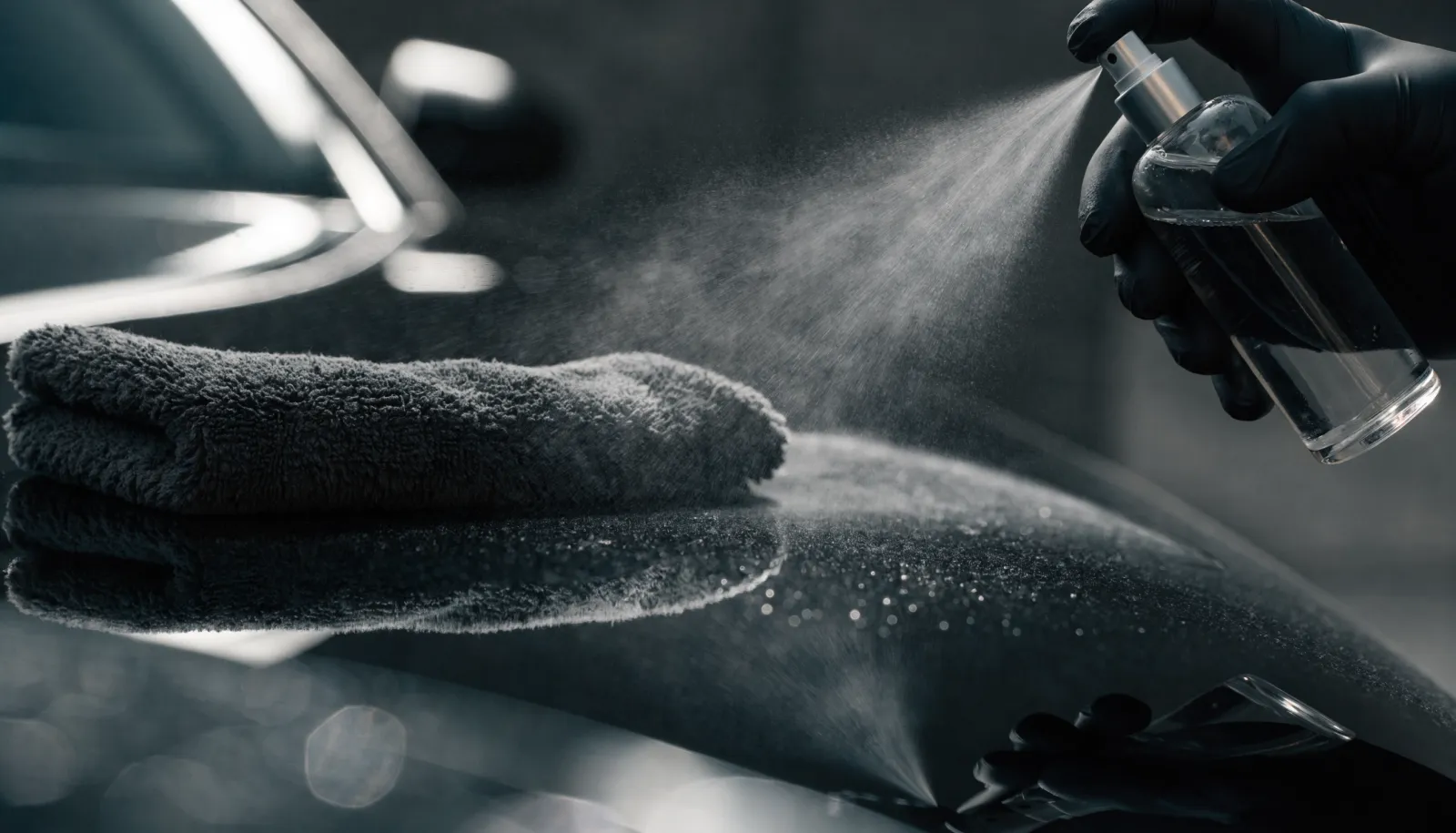
Gyeon ceramic coatings create a chemically bonded layer above the clear coat that absorbs and reflects UV energy before it reaches the paint itself. This is not a marketing abstraction — UV-induced clear coat degradation is measurable, and a coating rated for UV resistance demonstrably slows that process. For a dark-colored vehicle sitting in an open parking lot five days a week, the long-term difference in paint condition between a coated and uncoated surface is significant.
Ceramic coating also makes routine washing faster and more effective because the hydrophobic surface does not allow contaminants to bond the way they do on bare paint or wax. Pollen, road film, and brake dust rinse away more completely, which means less mechanical agitation during washing and fewer swirl marks introduced over time.
Pollen, tree sap, and the spring and fall compounding problem
Northgate Forest and the neighborhoods immediately surrounding it — Bammel, Kuykendahl, Willowbrook — sit in a zone of mature tree coverage that produces substantial pollen loads in late February through April and again in early fall. Oak pollen in particular bonds to paint surfaces when it gets wet and then dries, and the tannins in oak pollen are mildly acidic. Left on paint for extended periods, especially during warm weather, they etch the clear coat.
Tree sap from pine and sweet gum trees present in the area adds to this problem. Sap hardens in heat and adheres to clear coat in a way that requires solvent-based removal if left longer than a few days. A coated surface makes sap removal considerably easier because the coating itself is the contact surface, not the clear coat, and solvents safe for ceramic coatings do not carry the same risk of marring the paint that they would on bare clear.
Residents who park under tree canopy regularly — common in older Northgate Forest lots and driveways — should factor this into their protection planning. Neither ceramic coating nor paint protection film is a complete substitute for prompt removal of organic contaminants, but both materially reduce the damage that occurs when removal is delayed by a day or two.
What to consider before choosing a protection package
The right protection package depends on how the vehicle is used, where it is parked, and what budget the owner is working with. A daily driver doing thirty miles on FM 1960 five days a week benefits most from physical protection on the front end and a coating across the full exterior. A garage-kept weekend vehicle with limited highway exposure may get adequate protection from coating alone.
Paint condition matters before any coating or film goes on. A vehicle with swirl marks, oxidation, or embedded contamination needs paint correction first. Ceramic coating over compromised paint locks in the defects — it does not hide them. EuroLuxe inspects paint condition as part of the consultation process and will be direct about what prep work is needed before applying any product.
Film and coating can be combined. UltraFit PPF on the high-impact zones paired with Gyeon ceramic across the full vehicle is the most complete approach available. The film handles rock chips and physical abrasion; the coating handles UV, chemical contamination, and hydrophobic performance across every surface. For a newer vehicle a Northgate Forest resident plans to keep for several years, that combination makes financial sense relative to the cost of touch-up paint, panel resprays, or depreciated resale value from visible paint damage.
Getting service from Tomball without the hassle
Northgate Forest residents have about a fifteen-minute drive north on Veterans Memorial to Tomball, where EuroLuxe operates out of a climate-controlled installation bay at 11701 Holderrieth Rd. The controlled environment matters for coating and film work — humidity and temperature during installation affect cure times and film adhesion, and a shop relying on an open bay in Houston’s climate is introducing variables a closed facility eliminates.
Drop-off logistics are straightforward. Owners who need a vehicle back the same day can plan around single-stage correction and coating work, which can often be completed within a working day for smaller vehicles. Film and multi-stage correction may require an overnight. If you want to understand what your specific vehicle needs before committing, calling (936) 292-6056 to walk through the vehicle’s history and your driving patterns is the right first step.
The north Houston corridor from Northgate Forest through Tomball represents a consistent set of road and climate conditions that make protective services a practical consideration rather than a luxury one. Vehicles in this area age visibly faster than those kept in controlled environments, and the gap between a protected and unprotected surface becomes apparent within two to three years. The decisions made in the first year of ownership tend to define what a vehicle looks like at year five.