
New to Tomball? Here is what your car faces in North Houston
If you recently moved to Tomball, The Woodlands, Spring, Cypress, or anywhere else in the North Houston corridor, you already know the region is different from most of the country. The heat comes early and stays late. The humidity never really leaves. And if you relocated from a drier climate — Phoenix, Denver, Dallas, even parts of California — your car’s paint may be in for a rude awakening. None of this is catastrophic, but it does mean your approach to vehicle protection has to adapt.
This is not a pitch for any particular service. It is a practical orientation to what your car is actually facing when it parks under the Texas sun on a typical June morning at 8 a.m., with the temperature already climbing toward the nineties and the air sitting at 80 percent humidity. Understanding the environment is the first step to making informed decisions about protection.
Most transplants assume the heat is the main concern. It is a concern, but the combination of heat, humidity, UV intensity, clay soil roads, oak canopy coverage, and heavy rain events creates a set of conditions that no single product category handles on its own.
What the climate actually does to exterior paint
South-facing panels on vehicles parked in North Houston receive UV radiation at intensity levels that rank among the highest in the continental United States. Clear coat oxidation — that chalky, dull haze you see on older vehicles that were never protected — happens faster here than in most northern or mountain climates. Clear coat does not fail overnight, but consistent sun exposure without any UV barrier accelerates the degradation timeline significantly.
The humidity compounds this in a different way. When moisture stays on paint for extended periods, particularly on vehicles parked under oak and pine trees, the water itself becomes a delivery mechanism for organic acids, tree sap, and pollen. Pollen here is not seasonal in the traditional sense. Spring pollen season in North Houston is intense and long, but ragweed and other late-season pollens extend airborne contaminant exposure well into the fall. Pollen sitting on warm, wet paint etches into clear coat faster than most owners expect.
If your previous driveway was concrete and you are now parking on caliche, gravel, or unpaved subdivision roads common in areas like Magnolia and Hockley, your lower body panels are going to collect road grit at a higher rate. That translates directly into micro-scratches during every wash if you are not washing correctly.
Road conditions and the rock chip equation
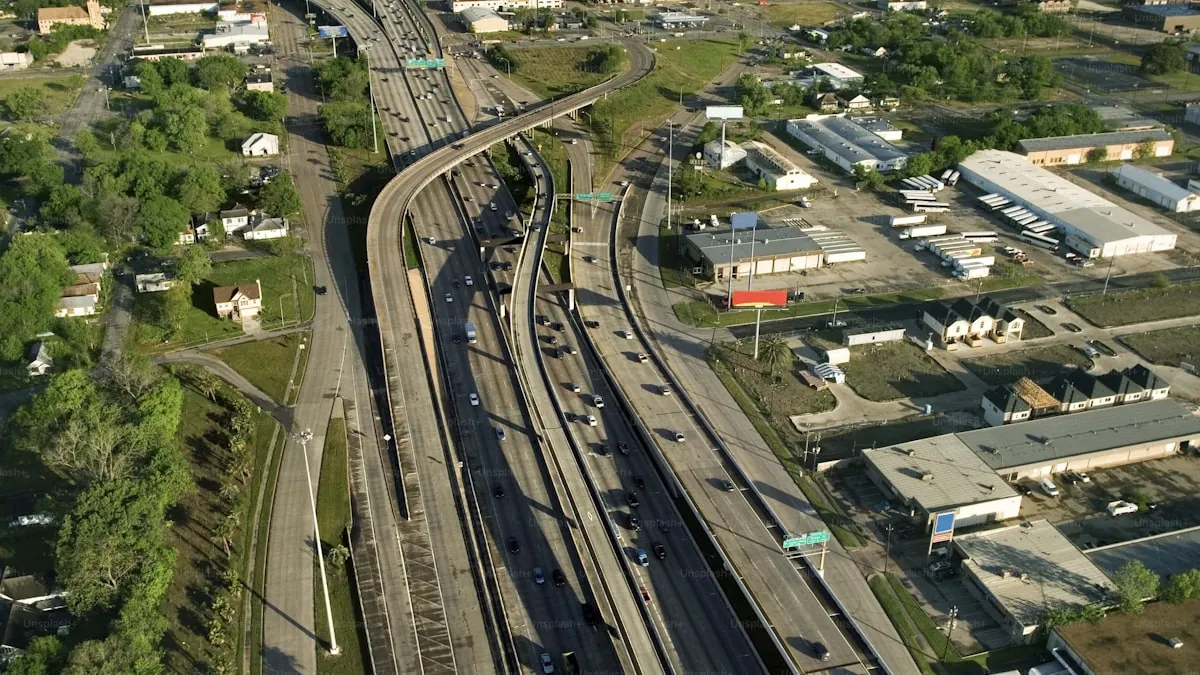
North Houston roads present a specific challenge for paint that flat-state drivers rarely think about: construction. The Grand Parkway 99 corridor, State Highway 249, and the FM roads threading between Tomball, Cypress, Conroe, and Spring are in a perpetual state of road work. Active construction zones mean loose aggregate, fresh asphalt, and debris that becomes a moving hazard for any vehicle in traffic. The front bumper, hood, and A-pillars take the most direct hits.
Drivers who commute regularly on 249 or I-45 between Tomball and downtown Houston put their front-end paint through conditions that justify a very different protection conversation than someone who occasionally drives on a maintained highway. Rock chips on new or lightly used vehicles are mostly cosmetic at first, but once a chip penetrates through clear coat to base coat or primer, moisture infiltration begins. In humid climates, that process accelerates.
Paint Protection Film is the most direct answer to chip damage. A properly applied front-end package — covering the hood, front bumper, fenders, mirrors, and rocker panels — creates a sacrificial layer that absorbs impact without compromising the underlying paint. New residents who have never dealt with highway chip damage at this volume often underestimate how fast a fresh vehicle acquires damage in this corridor.
Oak trees, pine sap, and the parking problem
If your new home or apartment has mature oak or pine coverage — which is common throughout Tomball, The Woodlands, and Kingwood — you are going to deal with a specific category of paint contamination that is different from normal road grime. Oak tannins, pine sap, and the sticky residue that falls from live oaks in early spring create surface bonding contamination that a standard wash will not remove. These substances cure onto warm paint and require either a dedicated solvent or professional decontamination to release safely without scratching.
This is where owners who move from garage-kept situations in other states run into trouble fast. They do not expect the tree coverage in Texas to be a paint threat. It is. The solution is not to avoid parking under trees — that is not always practical — but to maintain an appropriate protective barrier on the paint so that contaminants bond to the coating rather than the clear coat directly. A quality ceramic coating creates exactly that kind of surface: high contact angle, low surface energy, and enough chemical resistance to let most organic contaminants be rinsed away rather than etching in.
Washing your car correctly in a humid, high-pollen environment
One of the most common mistakes newly arrived owners make in North Houston is underestimating how often they need to wash. If your previous location was drier, you may have washed every two or three weeks without consequence. Here, pollen, tree residue, and road film accumulate faster. Weekly washing is reasonable for most vehicles parked outdoors or under trees. The problem is that frequent washing increases your exposure to wash-induced scratching if your technique or equipment is not right.
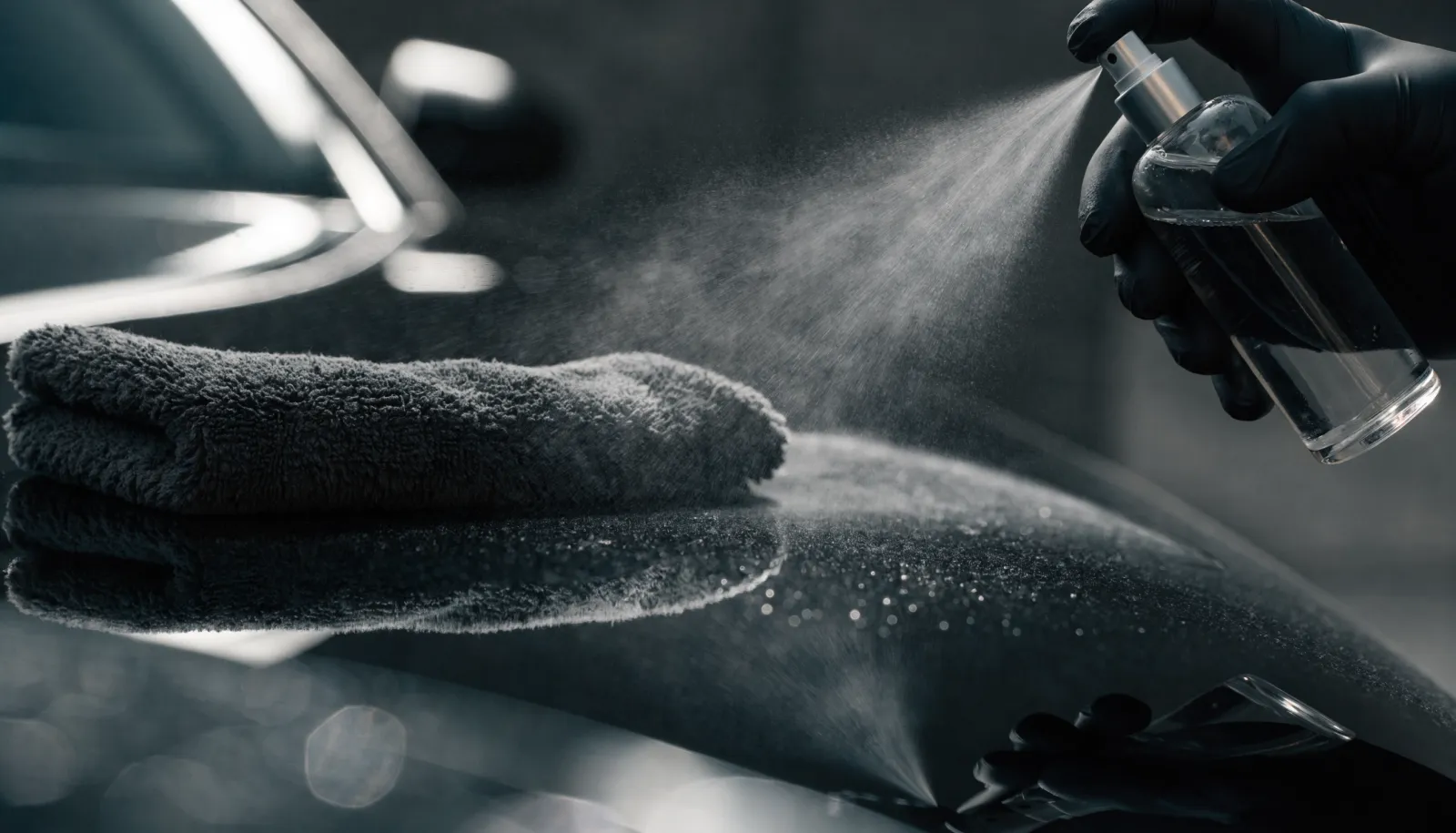
Automatic car washes with brushes and friction materials are widely available throughout Tomball, Cypress, and Spring, and they are convenient. They are also a reliable source of swirl marks and surface scratches — the kind that are difficult to see in direct sunlight but become very apparent under LED lighting or at certain angles. Owners who have just invested in a new vehicle and are washing it every week in a brush-style tunnel will notice paint degradation within a year. Touchless washes are less damaging but often leave bonded contamination behind. Hand washing with clean microfiber media and proper technique is the consistent answer, even if it takes more time.
What to do when you first arrive
If your vehicle is new or in good cosmetic condition and you are just settling into North Houston, the timing of your first protection decision matters. Waiting six months to evaluate the paint means you are letting pollen season, summer UV, and rain events work on unprotected clear coat. Acting before the first full Texas summer is the more sensible position.
The baseline conversation for most owners covers three areas: surface condition (whether any existing paint correction is needed before any coating goes on), what zones of the vehicle face the highest physical risk (front end, rockers, door edges), and what long-term maintenance commitment fits the owner’s schedule. A vehicle that lives outdoors in Tomball and commutes on 249 daily has different needs than a weekend car parked in a climate-controlled garage in The Woodlands.
If you are trying to work through those questions and want a direct conversation, the team at EuroLuxe Detailing can be reached at (936) 292-6056. The studio is located at 11701 Holderrieth Rd in Tomball, which puts it within easy reach of most North Houston zip codes. You can also request a quote at /get-a-quote/ if you prefer to start online.
North Houston is a genuinely good place to own a vehicle you care about — there is a strong car culture throughout the region, and the roads outside of construction zones offer real driving. Getting the protection strategy right early means your paint stays in the condition it deserves, rather than spending money later trying to recover what the environment took.