Ceramic coating for fleet vehicles: is it worth the cost
Fleet vehicles accumulate paint damage faster than almost any other class of vehicle. They run daily routes, park in tight lots, sit under the sun for hours at a stretch, and rarely receive the kind of wash-care attention that a private owner gives a personal car. That combination of high exposure and low maintenance creates paint that oxidizes early, holds road grime, and depreciates faster than the mechanical components underneath. For fleet managers in North Houston running anywhere from five company trucks to a regional delivery pool, ceramic coating is a legitimate operational decision, not a luxury add-on.
The core question is straightforward: does the upfront cost of professional ceramic coating offset the recurring labor and supply costs of keeping a fleet looking presentable, and does it slow the depreciation that hits when you turn over vehicles? The answer, for most commercial operators in this climate, is yes. But the specifics matter. Coating a work truck that hauls gravel through a construction site every day is a different calculation than coating a sales rep’s sedan that mostly sees highway miles and covered parking.
This piece covers what ceramic coating actually does for fleet vehicles, where it earns its money, where its limits are, and how to think about incorporating it into a fleet maintenance cycle.
What ceramic coating does that conventional wax cannot
Ceramic coating is a liquid polymer that bonds chemically to clear coat rather than sitting on top of it the way wax or spray sealant does. Once cured, it creates a semi-permanent hydrophobic layer that causes water to bead and run, reduces the adhesion of road grime, and adds measurable resistance to minor abrasion. A quality professional-grade coating like Gyeon, which is what we use at EuroLuxe, carries significantly higher silica dioxide concentrations than consumer products and is formulated to be applied in a controlled environment where temperature and humidity can be managed.
For a fleet vehicle, the practical result is a surface that is easier and faster to clean after every wash cycle. Grime, brake dust, pollen, and road film do not bond as aggressively to a coated surface as they do to bare or wax-protected paint. A wash that might take twenty minutes on an uncoated vehicle can often be completed in twelve to fifteen on a coated one, and the result looks more uniform. Over a fleet of twenty vehicles washed weekly by shop staff or a commercial wash service, that time reduction adds up within the first year.
The paint condition question before any coating goes on
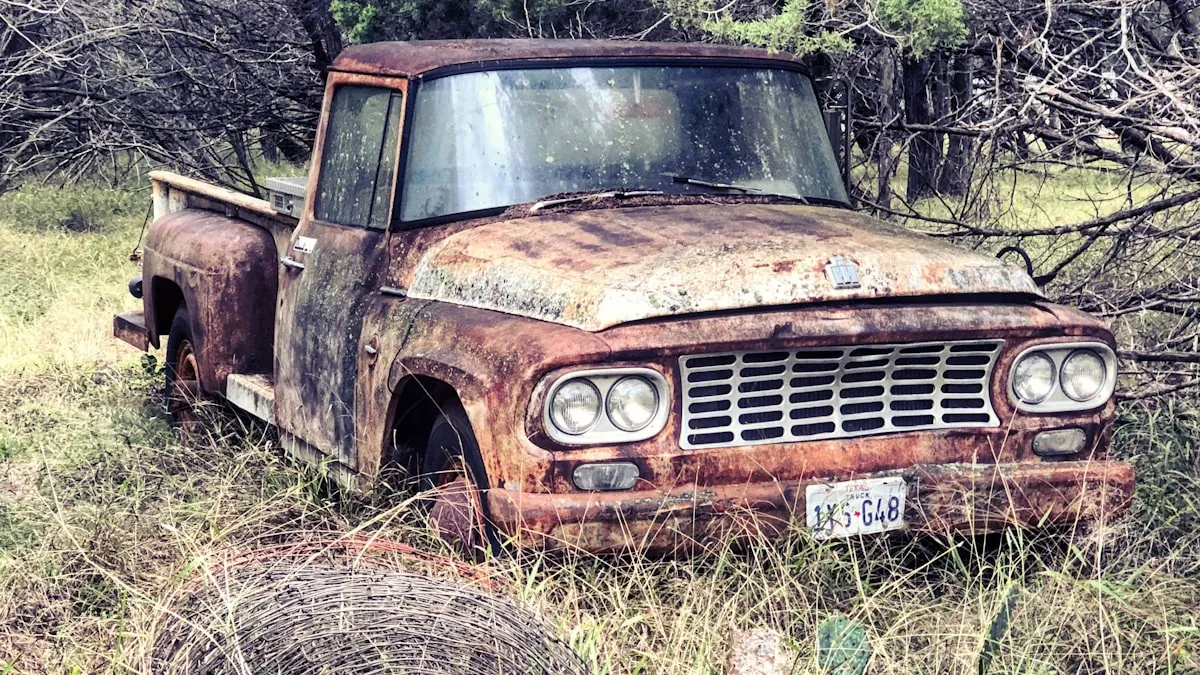
This is where fleet applications require honesty. Ceramic coating does not correct paint. It locks in whatever condition the surface is in at the time of application. A vehicle with swirl marks, oxidation, or surface marring will have all of that preserved under the coating rather than hidden. For a fleet vehicle with significant paint damage, coating directly over degraded clear coat is a waste of money.
The right sequence is paint correction first, then coating. For vehicles with moderate surface wear, a one-stage correction removes the majority of swirl marks and fine scratches before the coating goes on. For vehicles that are already in good condition — a newer acquisition, for instance — correction may be minimal or unnecessary. Either way, the surface needs to be decontaminated, clay-barred, and polished to the appropriate level before any coating is applied. Skipping that step is how you end up with a shiny vehicle that still looks dull from ten feet away.
Which vehicles in your fleet benefit most
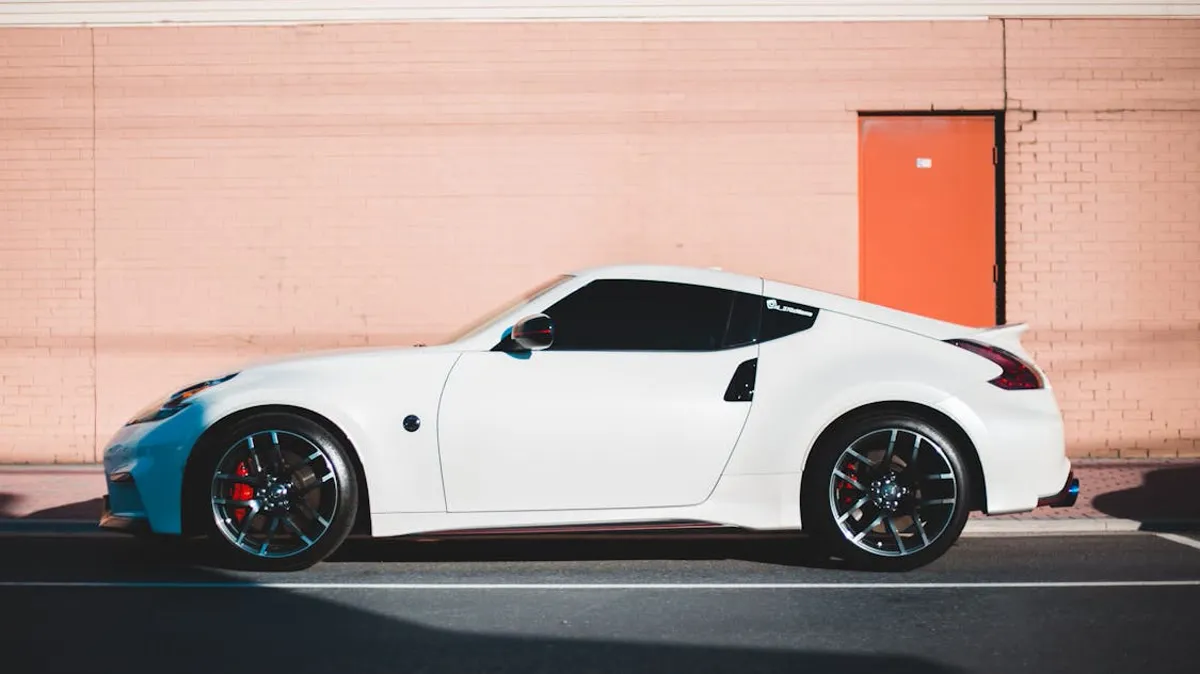
Not every vehicle in a fleet is an equal candidate for ceramic coating. The strongest return tends to come from vehicles that are customer-facing — company cars driven by sales teams, executive vehicles, client shuttle vans — where appearance directly reflects on the business. These vehicles justify the full investment because their condition is visible to the people who matter to revenue.
Service trucks and work vehicles present a different picture. A coating on a plumbing van that regularly parks in tight residential driveways and takes door dings from equipment loading will still provide some benefit, but the environment works against longevity. Rock chips from gravel sites, chemical exposure from job-site runoff, and frequent contact with ladders and toolboxes all stress the coating faster than normal road use. A coating on these vehicles still makes wash maintenance easier and slows oxidation, but the realistic service interval before re-coating is shorter.
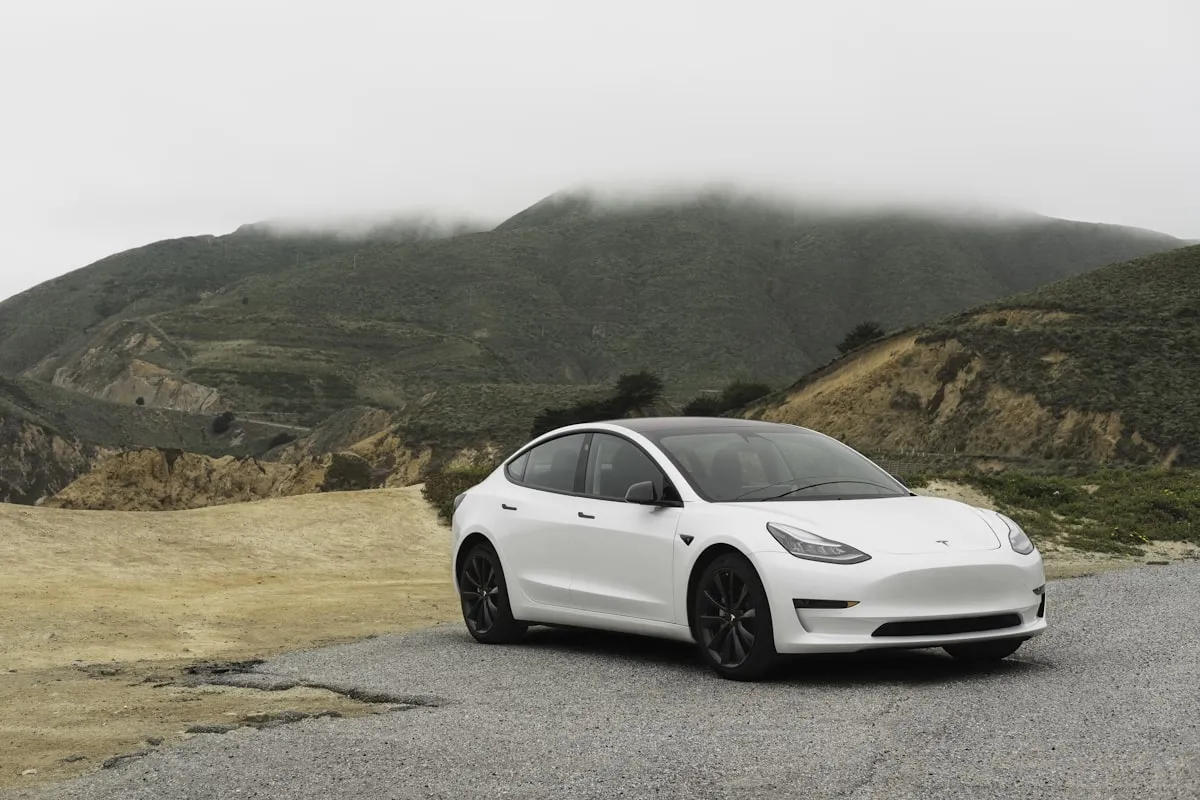
The clearest return on investment comes from highway-heavy vehicles — company cars logging significant interstate miles on roads like I-45 or US-249 — where rock chip velocity is the primary threat to paint. For those vehicles, combining paint protection film on the high-impact zones with ceramic coating over the full vehicle is a more complete answer than coating alone.
How fleet coating services are typically structured
Coating a single vehicle and coating fifteen vehicles are fundamentally different logistical exercises. A reputable installer working on a fleet account will typically stagger intake over multiple days or weeks to avoid overwhelming the installation bay. Each vehicle needs time in a climate-controlled environment — attempting to apply ceramic coating in an open parking lot on a Houston afternoon in August is a recipe for application failure, because the coating can flash too quickly in high heat and humidity, leaving high spots and uneven cure.
At EuroLuxe, our installation bay is climate-controlled specifically because coating application is sensitive to ambient conditions. That matters more, not less, when you are running vehicles through in sequence and expecting consistent results across all of them. A coating applied properly cures to a consistent thickness and hardness; one applied in variable outdoor conditions does not.
Fleet managers should also plan for vehicle downtime. After coating, a vehicle should avoid exposure to water for a minimum of 24 to 48 hours during initial cure, and full cure to maximum hardness typically takes several weeks. That is not a reason to avoid coating, but it is a reason to plan intake so vehicles are not pulled off their route at a critical time.
Maintenance expectations for coated fleet vehicles
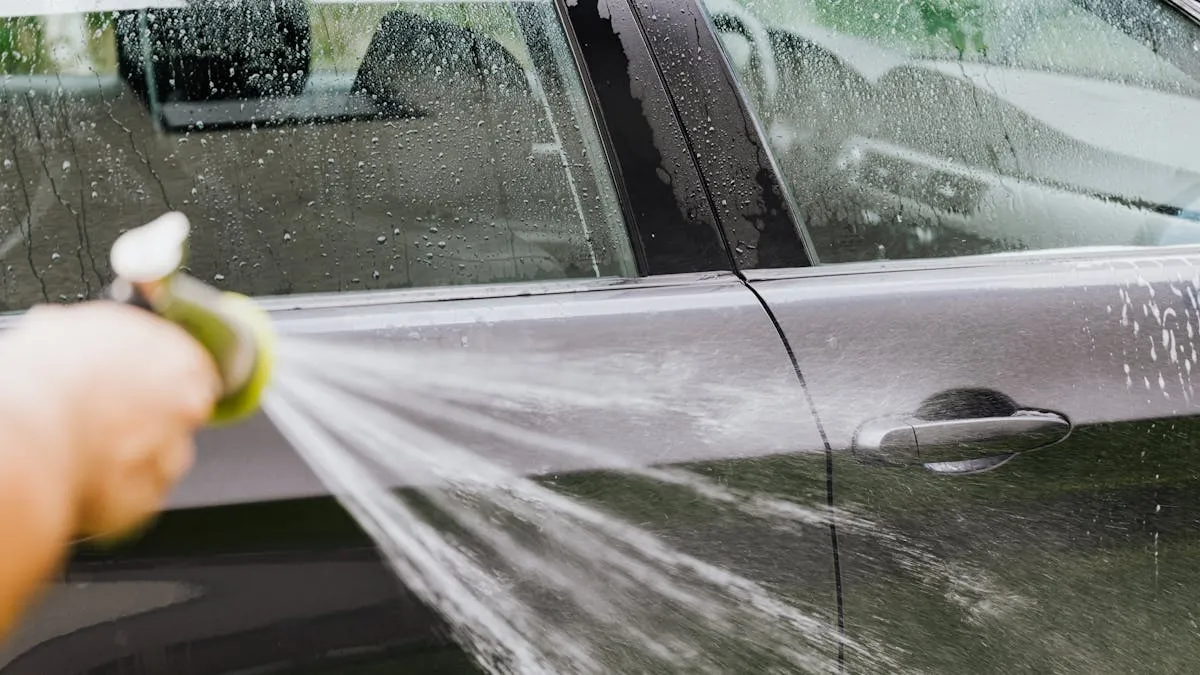
A ceramic coating reduces maintenance burden, but it does not eliminate it. The biggest mistake fleet managers make is assuming a coated vehicle needs no attention between professional services. The coating needs to be washed regularly using pH-neutral soap and a proper wash technique. Automatic tunnel washes with aggressive brushes can introduce surface marring that degrades the coating’s optical clarity over time. Touchless automatic washes are acceptable; brush washes are not.
For fleets using outside commercial wash services, it is worth specifying touchless-only washing for coated vehicles and confirming that any spray products the wash uses are pH-neutral. Alkaline or acidic products break down the coating’s chemistry faster than normal wear does. A quick SiO2 spray booster applied periodically — something a detail tech or even a careful employee can do — helps maintain hydrophobic performance between professional annual inspections.
Fleet accounts that schedule an annual inspection and maintenance service extend the functional life of the coating significantly. At that service, the coating’s condition is assessed, light contamination is removed, and a booster layer is applied where needed. This is a fraction of the cost of a full re-coat and keeps the coating performing at a high level for the vehicle’s service life.
What the numbers look like over time
A single professional ceramic coating for a standard sedan or crew cab truck represents a meaningful upfront cost. For a fleet, that number scales, but so does the return. Reduced wash time per vehicle, reduced compound and polish costs when the coating keeps oxidation at bay, and stronger trade-in or resale values when vehicles cycle out of service all work in the same direction. Fleet vehicles in North Houston that avoid significant paint oxidation over a four-year service cycle hold more residual value at auction than vehicles that show heavy weathering, and paint condition is one of the first things commercial vehicle buyers and auction evaluators assess.
For fleet managers who want a concrete figure before committing, the honest answer is that it depends on vehicle size, current paint condition, and how many vehicles are being processed. The right starting point is a conversation about the specific fleet and a quote built around its actual needs.
Getting a fleet assessment started
The process starts simply. Fleet managers can bring one or two representative vehicles in for an evaluation, and from there we can assess paint condition, recommend the appropriate correction level if needed, and provide a structured quote for the full fleet account. You can reach us directly at (936) 292-6056 to schedule that initial assessment.
Ceramic coating is not a solution for every fleet in every application, but for companies that run customer-facing vehicles, highway-intensive routes, or hold vehicles through multi-year service cycles in a climate as hard on paint as North Houston’s, it is a maintenance decision that tends to pay for itself before the coating’s service life is over.