Ceramic coating for street-parked vehicles: what changes
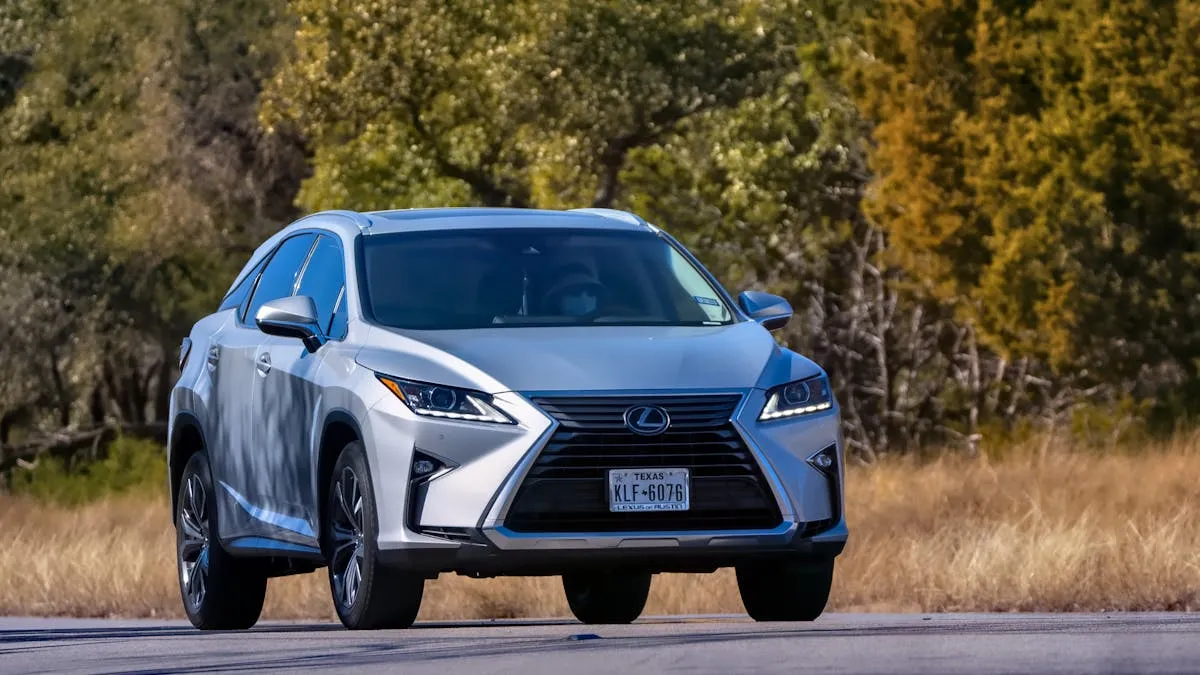
Most ceramic coating content is written with a garage-kept vehicle in mind — a weekend car that lives under climate control, gets hand-washed weekly, and rarely sees a parking lot. That is not how the majority of vehicles in the Houston metro actually live. A significant share of drivers in Spring, Tomball, Humble, and Conroe park on driveways, along curbs, or in apartment lots with no covered structure at all. For those vehicles, ceramic coating still makes sense, but the expectations, maintenance habits, and coating selection need to be calibrated accordingly.
Street parking does not make ceramic coating less effective. It makes proper coating more necessary. A vehicle sitting outside year-round in North Houston is dealing with concentrated UV load, tree sap, pollen, bird droppings, road dust, and morning dew cycles every single day. A quality coating creates the chemical barrier that slows the accumulation of that damage. Without it, unprotected clear coat in this climate can show oxidation and marring within a few years on a daily driver that never touches a garage.
Understanding how outdoor exposure changes the coating equation helps owners make better decisions about product selection, prep, and how they maintain the vehicle after the job is done.
UV exposure is the dominant threat for street-parked vehicles
Garage-kept vehicles still encounter UV during commutes and while parked at work, but the total annual exposure is a fraction of what a street-parked vehicle accumulates. In the Houston area, high UV index days run from March through October, and even winter months see meaningful solar radiation. A car parked outside six days a week for twelve hours at a time is under sustained UV attack in a way that a weekend driver simply is not.
This matters for coating selection because UV degradation affects both the coating layer itself and the clear coat underneath it. A professional-grade ceramic coating like those in the Gyeon lineup is formulated with UV absorbers that help the coating resist photodegradation. Consumer-grade spray coatings sold at auto parts stores typically have thinner SiO2 content and minimal UV stabilizers — they work in controlled conditions but burn through faster on a vehicle that sits in full sun daily.
For street-parked owners, the upfront investment in a properly installed professional coating pays a larger dividend because the alternative — repeated application of lesser products — still does not match the protection level, and the labor cost adds up.
Paint preparation matters more, not less
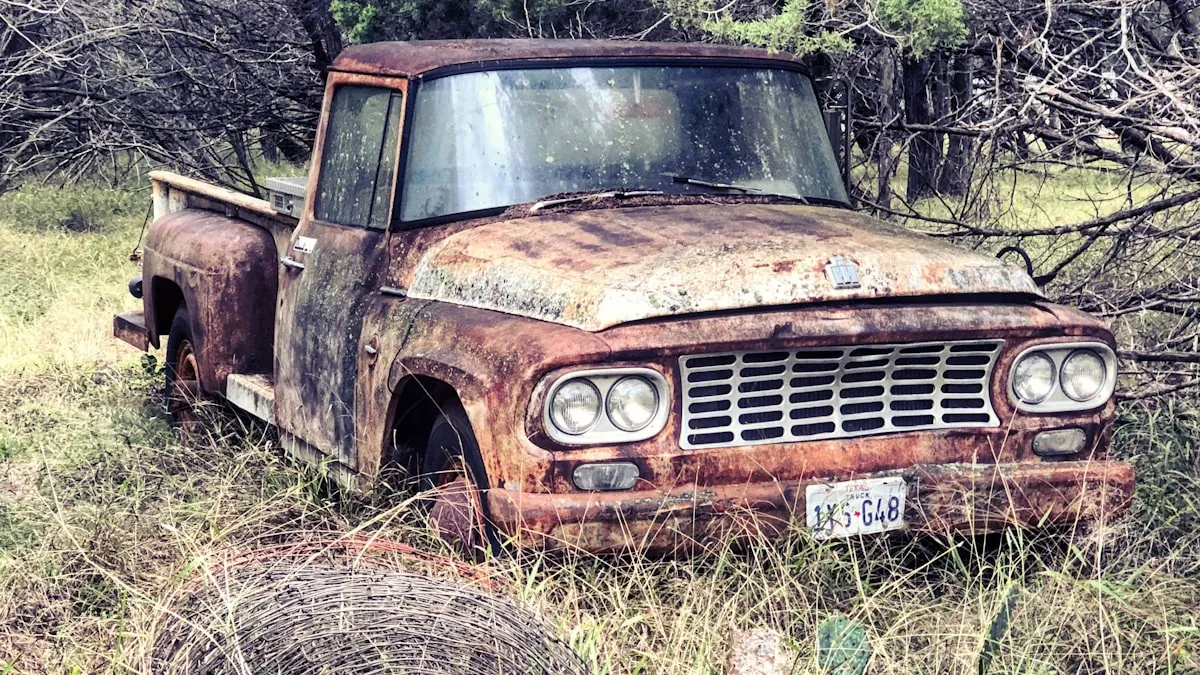
Vehicles that have been parked outside for a year or more before their first coating appointment almost always arrive with contamination embedded in the clear coat. Iron particles from road brake dust settle on horizontal surfaces and bond into the paint. Tree sap, bird etching, and rail dust accumulate in layers that a standard wash does not address. Water spots from dew and rain cycles leave mineral deposits that obscure the surface.
If a ceramic coating is applied over contaminated paint, the coating bonds to the contamination rather than the clear coat. That sounds minor but the practical result is uneven hydrophobic behavior, reduced gloss depth, and a coating that may lift or delaminate in patches as the trapped contamination shifts beneath it.
Thorough paint correction and chemical decontamination before the coating application are standard practice at a professional shop regardless of what the vehicle looks like at a glance. For street-parked vehicles, decontamination is especially critical because the contamination load is higher. Owners should expect clay bar treatment, iron decontamination wash, and often a single-stage polish at minimum before the coating goes down. This is not upselling — it is the only way the coating performs as intended.
Maintenance intervals are shorter without shelter
A ceramic coating does not eliminate maintenance. It makes maintenance easier and more effective, but the vehicle still needs to be washed. For street-parked vehicles, the realistic wash frequency is every one to two weeks during high-pollen and high-dust months, and at least twice a month at other times. This is more frequent than what a garaged vehicle might need, but far less labor-intensive than hand-washing an uncoated car that has bonded grime.
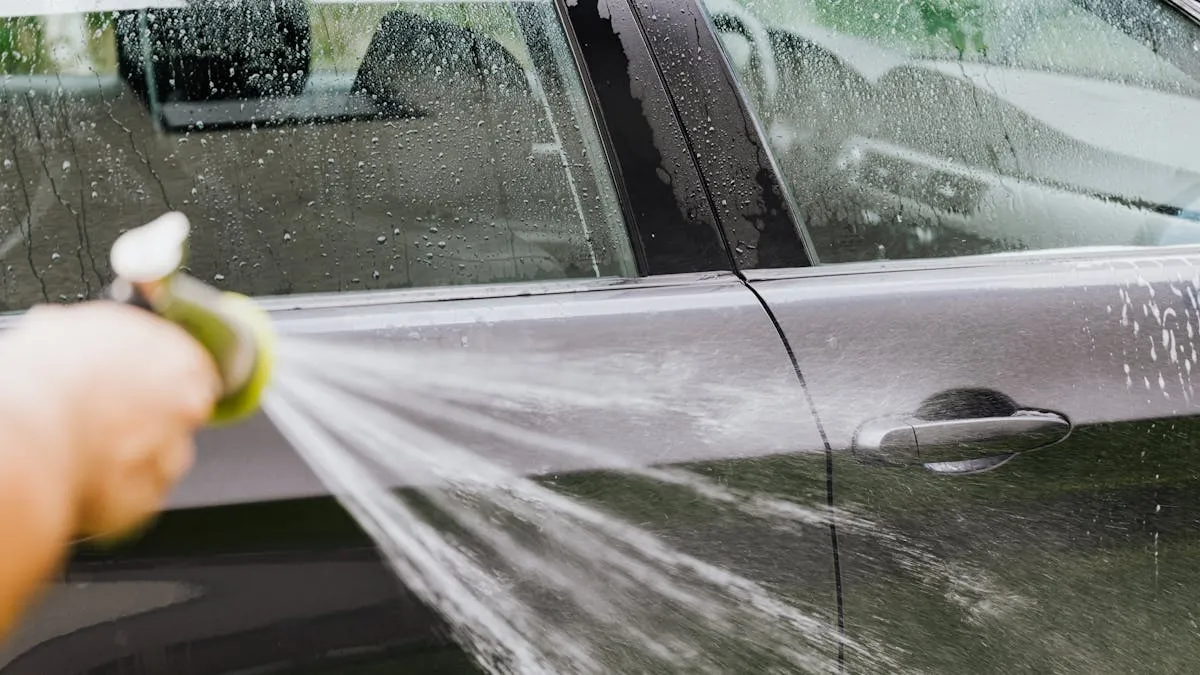
The coating’s hydrophobic properties mean that most surface contamination — road dust, pollen, light dirt — does not bond strongly to the surface. A proper two-bucket hand wash or a foam cannon pre-soak followed by a gentle contact wash removes it efficiently. What ceramic coating owners should avoid, regardless of parking situation but especially with high outdoor exposure, is letting contamination sit for extended periods. Bird droppings are acidic enough to etch through a coating within 48 hours in summer heat. The coating buys time — it does not make the paint immune.
Coating maintenance products — Si02 boosters applied after each wash — help street-parked vehicles maintain hydrophobic performance between professional inspections. These are not a replacement for the base coating but they do extend the service life meaningfully when the vehicle is exposed year-round.
Coating longevity expectations for outdoor vehicles
Manufacturers quote coating lifespans that typically assume reasonable maintenance and moderate exposure. Street-parked vehicles in a high-UV, high-humidity climate like North Houston represent an accelerated wear scenario. A coating rated at five years on a garaged show car may realistically deliver three to four years of full performance on a daily driver that lives outside — and that is still a substantial return on the investment compared to no protection at all.
Several variables influence actual longevity. Vehicles parked under tree canopies deal with consistent sap and organic debris. Vehicles on curbs near construction corridors — common in the rapidly developing areas of Tomball, Cypress, and Conroe — encounter elevated levels of concrete dust and airborne debris. Coastal proximity increases salt air exposure. None of these factors make coating impractical; they simply inform realistic expectations and maintenance planning.
Professional shops should walk owners through an honest service interval conversation at the time of the coating appointment. Annual inspections to assess coating integrity and apply booster layers where needed are a reasonable approach for any outdoor-parked vehicle in this region.
What street-parked owners should ask before booking
Before scheduling a ceramic coating appointment, street-parked vehicle owners should think through a few practical questions. Has the car been decontaminated recently, or does it have visible water spots, sap, or bird etch that needs correction first? How do you plan to wash the vehicle going forward, and is a touchless or hand-wash setup realistic? Are there sections of the vehicle — rocker panels, lower doors, hood — that have existing clear coat damage that might need more than polishing to address?
The ceramic coating process itself is the same regardless of where the vehicle parks. What changes is the preparation timeline, the product selection conversation, and the maintenance expectations the shop sets upfront. A shop that does not ask where you park or how often you wash is not doing its job in the consultation phase.
EuroLuxe installs Gyeon ceramic coatings in a climate-controlled bay at 11701 Holderrieth Rd in Tomball. If you have questions about what preparation your vehicle needs before coating, or what to expect from a coating on a daily driver that lives outside, reach out at (936) 292-6056 and we can talk through it before you book.
Ceramic coating is not a product designed exclusively for cars that never see weather. It was built for paint that gets exposed. Street-parked vehicles in North Houston are exactly the use case where a quality coating earns its keep, as long as the prep work is thorough and the owner understands what maintenance looks like on the other side of the appointment.