What shortens ceramic coating life: key factors explained
A ceramic coating is not a one-and-done solution that requires zero attention. Professional-grade coatings like those in the Gyeon lineup are engineered to last several years under realistic conditions, but that number is not a guarantee written in stone. It is a ceiling that only gets approached when the coating is maintained correctly and the vehicle is not subjected to conditions that accelerate degradation. In practice, most coatings fall short of their advertised lifespan not because the product failed, but because of predictable, avoidable factors.
Understanding what actually degrades a ceramic coating — not what a marketing sheet says will degrade it, but what installers and owners observe over years of real use — is the most practical thing a vehicle owner can learn after the job is done. What follows is a plain accounting of those factors.
Wash habits are the largest single variable
Automatic tunnel washes with spinning brushes or abrasive cloth strips are the fastest way to erode a ceramic coating. Every pass through that equipment deposits micro-scratches into the coating layer. Over time, the surface loses its optical clarity and hydrophobic behavior long before the coating itself has chemically bonded out. The marketing promise of “scratch resistance” on most coatings applies to isolated light contact, not repeated mechanical abrasion.
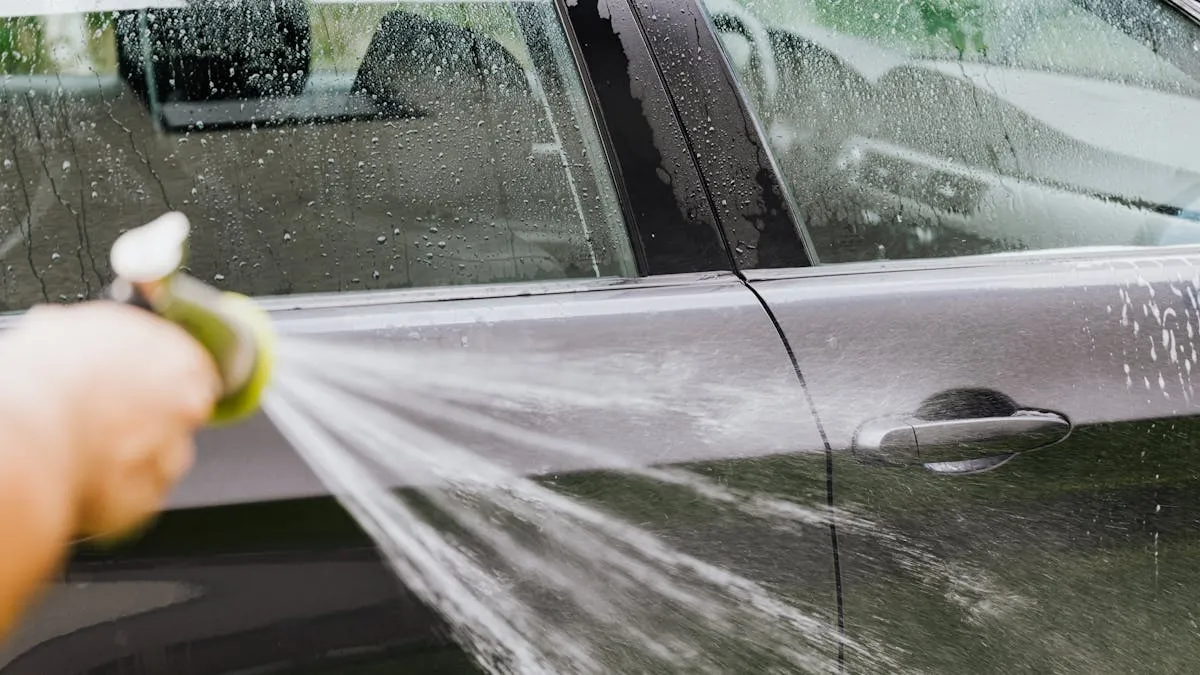
Hand washing removes most of that risk but introduces its own variables. Washing with a dirty mitt, skipping a proper rinse before contact, or using alkaline car wash soaps formulated to cut through waxes and sealants will all strip coating performance gradually. High-pH chemicals in particular attack the Si-O bond structure that gives ceramic its hardness and hydrophobic properties.
The correct approach is a two-bucket method or foam pre-rinse, a pH-neutral automotive soap, clean microfiber, and a final rinse before drying. None of this is complicated, but consistency matters. A coating washed improperly forty times a year will look noticeably worse than one washed correctly twenty times a year.
Texas heat and UV intensity compress the timeline
North Houston does not get a mild summer. The combination of direct UV exposure and ambient heat that regularly pushes past 100°F creates thermal stress that conventional waxes cannot survive at all and that ceramic coatings handle better, but not indefinitely. UV degrades the top layer of any coating over time. The harder, denser formulations hold up longer, but any vehicle that parks outdoors every day in full sun in this climate is aging its coating at a faster rate than a garage-kept vehicle with the same product.
This is not a reason to avoid coating a vehicle that parks outside — quite the opposite. A coated surface disperses UV energy better than bare clear coat or a degraded wax layer. The point is that “five-year coating” language assumes average conditions, and a Texas summer does not represent average conditions. Expect realistic longevity on an outdoor-parked vehicle in this region to fall in the three-to-four-year range for most professional coatings without supplemental maintenance.
Contamination that is not removed periodically does real damage
Ceramic coatings reduce the adhesion of contaminants but do not make the surface immune to them. Iron fallout from brake dust and railroad proximity, industrial fallout, tree sap, and bird droppings all sit on the coating surface. A hydrophobic surface sheds water easily, but none of those materials are water. Bird droppings contain uric acid. Tree sap hardens under UV into an abrasive resin. If these are left on a coated surface for extended periods — days in summer heat, longer in cooler months — they etch into the coating layer.
Periodic decontamination is part of owning a coated vehicle correctly. An annual clay bar treatment or iron-decontamination spray, performed by someone who knows how to do it without introducing marring, keeps the coating working the way it was installed to work. Skipping that step for years while assuming the coating handles everything is a common reason owners see early failure.
If you have questions about a maintenance schedule that fits your driving habits and parking situation, the ceramic coating service page covers what EuroLuxe recommends for vehicles in this region.
Using the wrong maintenance products between washes
The spray detailer or quick-detailing product you grab at a parts store may or may not be coating-compatible. Many consumer spray waxes contain silicone oils that temporarily fill micro-marring and make the surface look better, but they can also interfere with a coating’s surface energy over time. Some products contain alcohol concentrations that, used frequently, degrade the top layer of the coating faster than normal wear would.
Coating-specific maintenance sprays, sometimes called coating boosters or SiO2 toppers, are formulated to bond with the coating chemistry and extend its performance. They are not expensive and do not take more time to use than a generic detailer. The difference is that they work with the coating rather than over it. If you are investing in a professional installation, the maintenance products matter.
Paint correction done after coating installation damages it directly
This sounds obvious, but it is worth stating. If a vehicle develops swirl marks or surface scratches after a coating has been applied, fixing those defects requires cutting through the coating with a machine polisher. That removes coating thickness in those areas and, depending on the extent of the correction, may require the entire panel or vehicle to be recoated.
The practical implication is that paint condition before installation should be addressed properly. If a vehicle goes into a coating application with existing defects, those defects are sealed under the coating and become visible every time light hits the paint at certain angles. The right sequence is paint correction first, then coating, not the reverse. Owners who skip correction to reduce upfront cost often find themselves spending more later.
Application environment and initial cure
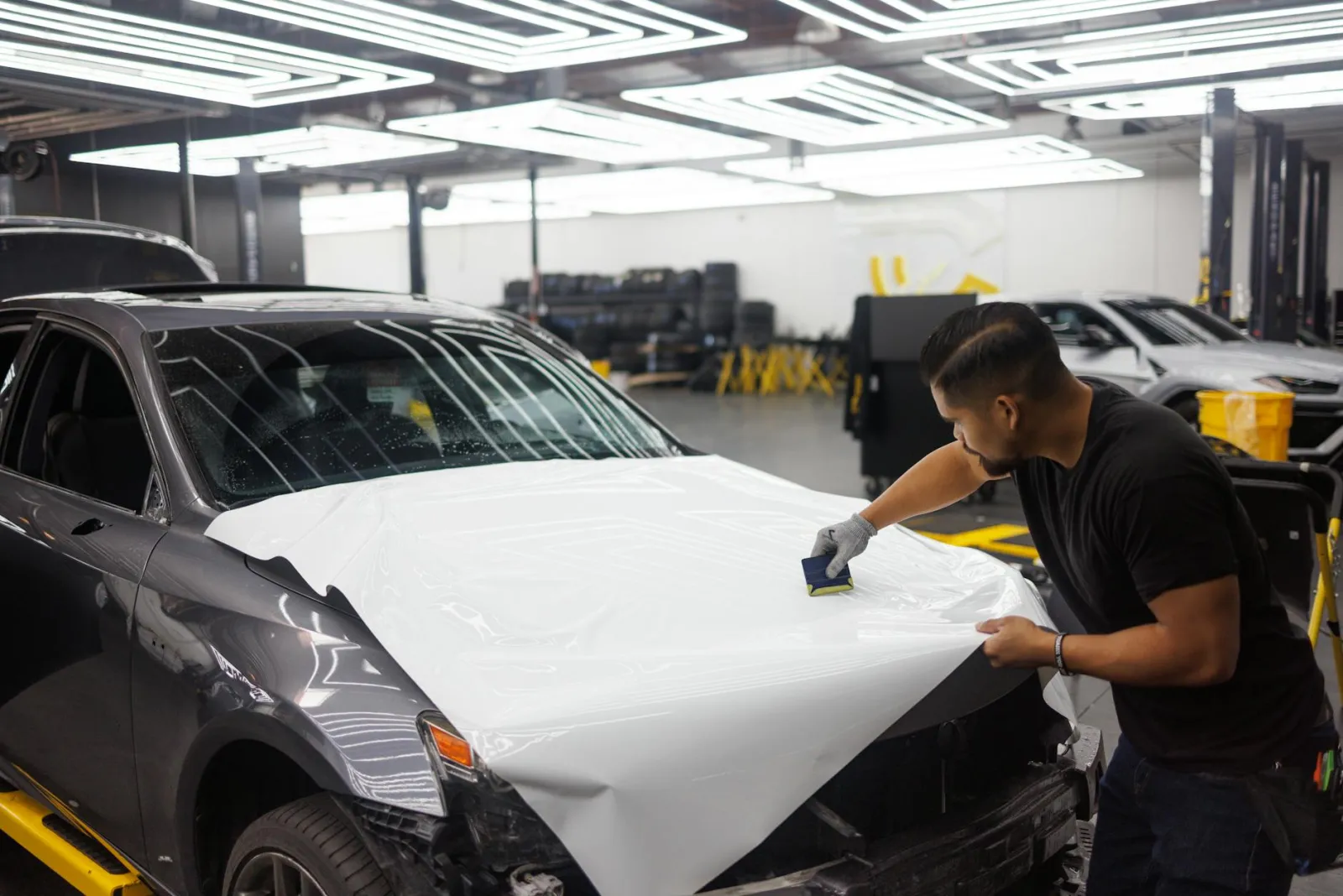
The first 24 to 72 hours after application are when a ceramic coating is most vulnerable. Moisture, dust, and physical contact during that window can introduce defects called high spots, haze, or premature contamination bonding that are difficult to remove without cutting the coating. A coating applied in an uncontrolled environment — high humidity, ambient dust, fluctuating temperature — will not achieve the same uniformity or hardness as one applied properly.
This is why EuroLuxe operates from a climate-controlled installation bay. It is not a marketing point. Temperature and humidity directly affect how a coating levels and cures. A coating applied at 85 percent relative humidity on a 95-degree day cures differently than one applied at 50 percent humidity in a 70-degree bay. The difference shows in performance and longevity.
What owners can do right now
If you have an existing coating and are not sure of its condition, a few indicators tell the story. Water should still bead and sheet cleanly off a properly functioning coating. If water is spreading flat on the surface rather than beading, either the coating has thinned to the point where it needs a topper or reapplication, or the surface has contamination sitting on it that needs to be removed first.
If the paint shows swirl marks visible in direct sunlight, those either existed before the coating was applied or they were introduced afterward through improper washing. In either case, correction at that point requires removing the coating in those areas.
A vehicle that parks outdoors year-round in North Houston, gets washed regularly with appropriate products, and receives an annual decontamination and booster application will significantly outlast a coated vehicle that gets tunnel-washed weekly and sees no maintenance between washes. The coating itself is only part of the equation.
For specific questions about coating condition, maintenance products for your situation, or whether a reapplication makes sense, call EuroLuxe at (936) 292-6056. The team at 11701 Holderrieth Rd in Tomball can evaluate the surface and give you a straight answer.
Ceramic coatings are durable, but they respond to how they are treated. The owners who get the most life out of a coating are not the ones who spent the most on it — they are the ones who understood what it needed afterward.