Ceramic coating on trim, aluminum, and bare metal surfaces
Most conversations about ceramic coating start and end with the painted panels. That makes sense, because paint is the largest surface area on the car and the most visible indicator of how well a vehicle has been maintained. But a properly protected vehicle is not just one with a coated hood and doors. Every time a car sits in a North Houston driveway through a cycle of summer heat, pollen, and acid rain, the unpainted surfaces take the same punishment — and in many cases, they have far less inherent protection to begin with.
Aluminum trim, bare metal accents, plastic cladding, rubber-edged moldings, and anodized surfaces all respond to contamination and oxidation in ways that are distinct from clear-coated paint. Understanding what a ceramic coating can and cannot do on these surfaces is important before you commit to a full protection package. The answer is nuanced, but the short version is this: coating these surfaces is not only possible, it is often the piece that separates a thorough protection job from one that looks great for six months and then starts showing its age at the edges.
Why unpainted surfaces degrade faster than paint
Clear coat on automotive paint is itself a protective layer. It absorbs UV radiation, provides a barrier against light chemical exposure, and gives detailers a workable surface they can polish and correct. Bare aluminum, anodized trim, raw plastic, and satin-finished metal accents have no equivalent layer. What you see on the surface is essentially the material itself.
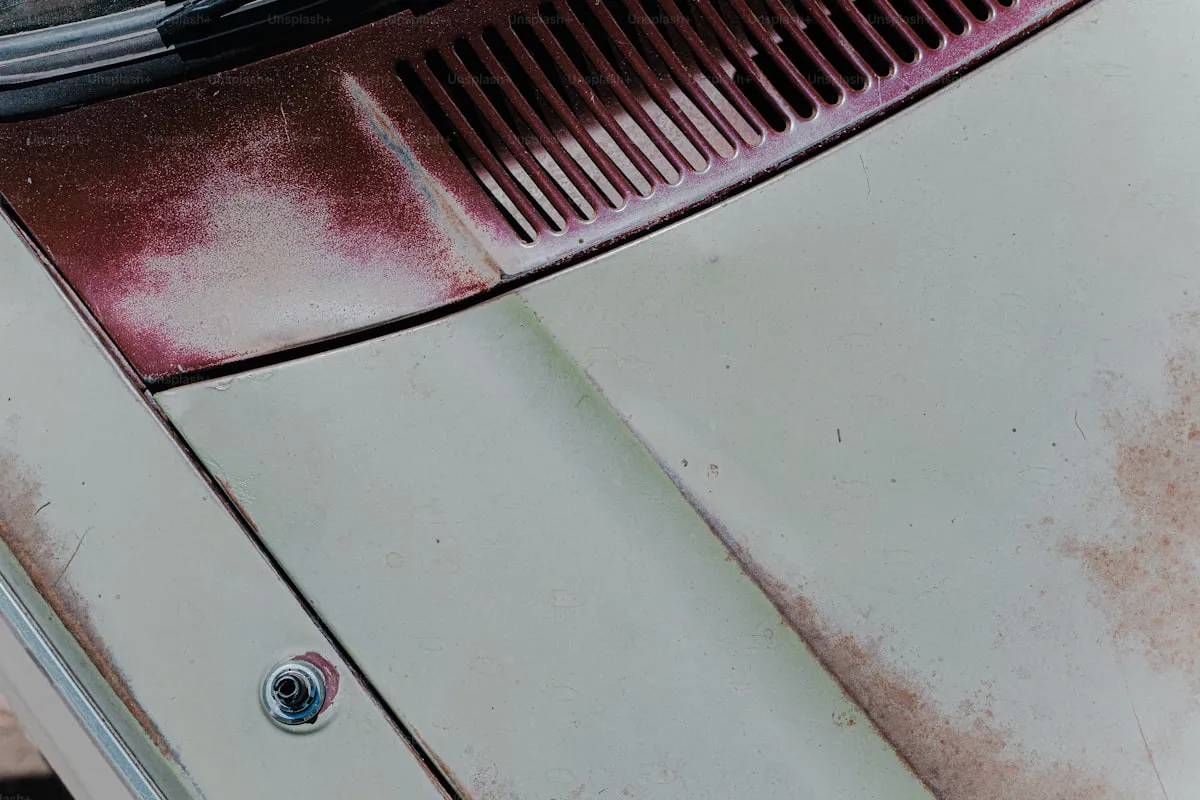
Aluminum oxidizes when exposed to moisture and oxygen. The resulting white, chalky surface oxide is not just cosmetic — it is the material degrading. On a Houston vehicle that parks outdoors and gets rained on every afternoon in the summer, that process is continuous. Satin-finished aluminum grille surrounds, roof rails, running board trim, and pillar moldings are particularly susceptible. Once oxidation sets in at a structural level, no coating can reverse it. It has to be mechanically cleaned or lightly polished first, which is why preparation matters as much on these surfaces as it does on paint.
Anodized aluminum, which appears on some luxury and German vehicles as dark or matte-finished trim, is more corrosion-resistant by nature but still porous. Brake dust and iron fallout embed into anodized surfaces at a microscopic level and are difficult to remove without chemical decontamination. Leaving them there means the contamination continues to etch into the surface over time.
How ceramic coating interacts with metal and trim
A properly formulated ceramic coating bonds to the surface at a chemical level and creates a hard, hydrophobic shell that prevents contaminants from reaching the substrate underneath. On paint, this means water beads, dirt slides off more easily during a wash, and minor chemical exposure is neutralized before it reaches the clear coat. On bare aluminum and metal trim, the same chemistry applies, with one important distinction: the surface must be genuinely clean and decontaminated before the coating goes down.
Gyeon makes specific formulations designed for different surface types. The product used on a painted panel is not necessarily the right choice for a matte aluminum roof rail or a rubber-trimmed door molding. At EuroLuxe, the choice of which coating product goes on which surface is part of the prep conversation, not an afterthought. Applying a high-gloss paint coating to a satin aluminum trim strip will change its appearance in a way the owner did not ask for. Using the wrong chemistry on a porous plastic molding can cause adhesion issues that show up weeks later.
On bare metal, the coating also provides a meaningful barrier against galvanic corrosion in areas where dissimilar metals are in contact — a common situation around door hardware, wiper mounts, and roof rack attachment points. These are small areas, but they are often the first to show brown staining or surface rust on vehicles that spend significant time in the elements.
What surfaces are candidates for coating beyond paint
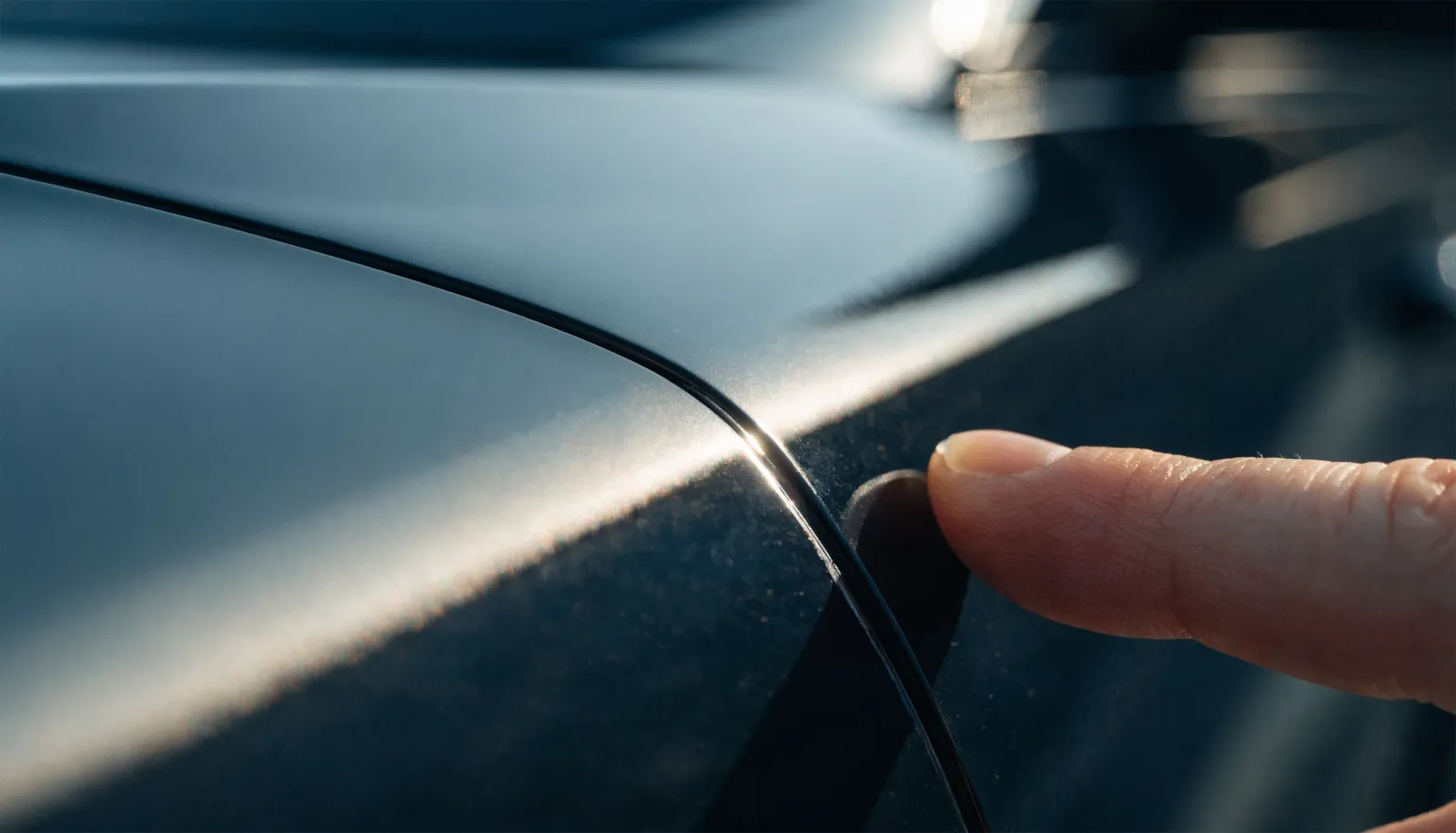
The list is longer than most owners expect. Aluminum and metal trim that benefits from ceramic protection includes door handle cups on vehicles with brushed aluminum inserts, window trim surrounds in bare or anodized aluminum, roof rails and crossbar mounts, front grille surrounds and lower valance accent pieces, sill plates with exposed metal, mirror cap inserts, and exhaust tips.
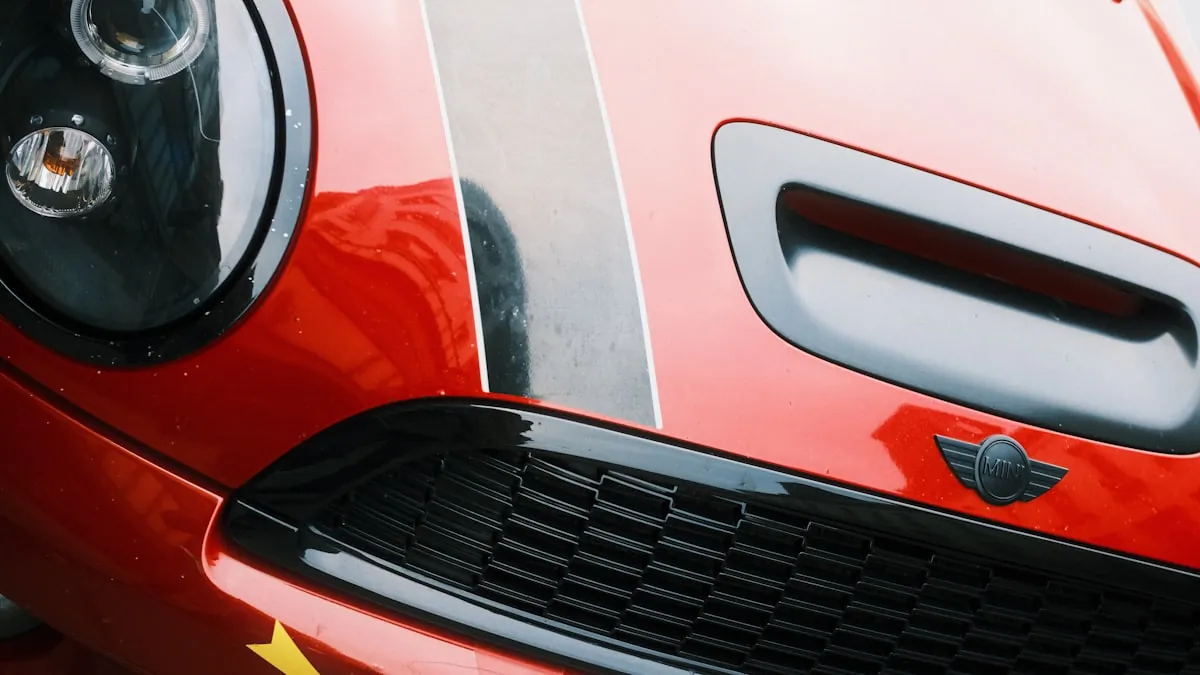
Plastic cladding — the black or dark-gray panels found on the lower body of trucks, SUVs, and crossovers — is another surface worth coating. It is not aluminum, but it is porous and UV-sensitive. Without protection, it fades and becomes chalky in direct Texas sun, often faster than the painted panels above it. A trim-specific ceramic coating maintains the color and prevents that chalky, gray-faded look that makes a two-year-old truck look five years older than it is.
For anyone considering our ceramic coating service, these surfaces can typically be addressed in the same appointment as the paint. The trim and metal preparation adds time to the job but does not require a separate visit.
Preparation is the step that determines the outcome
This is where amateur applications and professional installations diverge most sharply. The bonding chemistry of a ceramic coating is unforgiving. If there is oxidation, contamination, or a chemical residue under the coating when it cures, it gets locked in. On paint, poor prep usually means premature failure or bonding issues. On bare aluminum, it means the oxidation continues under the coating and the surface degrades from below.
At EuroLuxe, metal and trim prep typically involves an alkaline decontamination wash, iron fallout removal on surfaces that need it, mechanical cleaning of heavily oxidized aluminum with the appropriate abrasive level, and a final solvent wipe before the coating is applied. The climate-controlled installation bay matters here — flash times and initial cure behavior are affected by temperature and humidity. Applying a coating in a 95-degree outdoor environment in September in North Houston is not a controlled process.
For vehicles that also need protection on painted surfaces, paint correction is addressed before the coating goes down. The sequencing of prep steps on trim and metal follows the same logic — get the surface to its cleanest, most corrected state before anything is applied on top of it.
Maintenance after coating unpainted surfaces
One of the practical benefits of coating non-painted surfaces is that maintenance becomes consistent across the whole vehicle. A two-bucket hand wash with a pH-neutral soap works the same way on a coated aluminum window trim surround as it does on a coated painted panel. The water beads, the contamination does not grip, and a light rinse and drying pass leaves the surface clean without scrubbing.
The one area where expectations need to be set correctly is longevity. Paint ceramic coatings on hard clear coat can last several years with proper maintenance. Coatings on soft plastic cladding, rubber-adjacent trim, and flexible moldings tend to have shorter effective lifespans because the substrate itself flexes and expands with temperature changes. Aluminum and anodized metal hold up closer to the paint end of that range, but they do not match clear coat. Periodic inspection and a professional top-up when hydrophobicity starts declining is a reasonable maintenance model.
When to coat trim versus when to replace it
A ceramic coating cannot resurrect badly oxidized or UV-damaged trim. If the aluminum has pitting, the plastic cladding has gone structurally chalky, or rubber moldings are cracked and hardened, the right answer is replacement or professional restoration first. Coating over damaged material preserves the damaged state. What coating does well is protect surfaces that are in good condition and slow the deterioration that would otherwise happen naturally.
For anyone with a vehicle that has some surface oxidation on trim but has not crossed the threshold into structural damage, a thorough prep and coating treatment at the time of a full paint coating service is the right window to act. Waiting usually means the surface degrades further and either costs more to prep or needs to be replaced.
If you have questions about which surfaces on your specific vehicle are candidates for protection, call EuroLuxe at (346) 920-4372 and walk through the details before scheduling.
A complete protection job accounts for every surface that is exposed to the environment, not just the painted ones. Trim and metal are often the first places that show neglect, and they are also some of the most straightforward surfaces to protect when the prep is done correctly and the right product is matched to each substrate.