
Why Spring Is the Best Time to Get Ceramic Coating in Houston
The Window Most Drivers Miss
Most people think of ceramic coating as something you do after summer — after the bug season, after the road trips, after the heat has already had its way with the paint. That logic is backwards. The period between late February and early April is the single best window to get ceramic coating applied in the Houston area, and the reasons are practical, not just seasonal marketing. If you wait until June to protect your paint, you are handing three of the most damaging months of the Texas year to unprotected clear coat. Spring is when the paint is still in good shape and when the conditions for proper coating application are at their best.
Why Coating Conditions Matter More Than Most People Know
Ceramic coating is a chemical bonding process. The coating reacts with the clear coat on a molecular level to form a semi-permanent layer that cannot be simply washed or wiped off. For that bond to form correctly, the surface temperature and ambient humidity during application need to fall within a specific range. Too hot, and the coating flashes off too quickly before it has time to level properly. Too humid, and moisture interference compromises the bond and creates high spots. In Houston’s summer months, surface temperatures on dark-colored vehicles parked outdoors regularly exceed 140 degrees Fahrenheit by midday, which creates a challenging installation environment even for experienced installers. In March and early April, ambient temperatures in the Tomball area are typically in the 65 to 80 degree range, surface temps are manageable, and humidity — while never truly low in Houston — has not reached the suffocating levels of July and August. These conditions allow the coating to bond correctly and cure without interference, which directly affects how the coating performs over its lifetime.
Pollen Is Coming Whether You’re Ready or Not
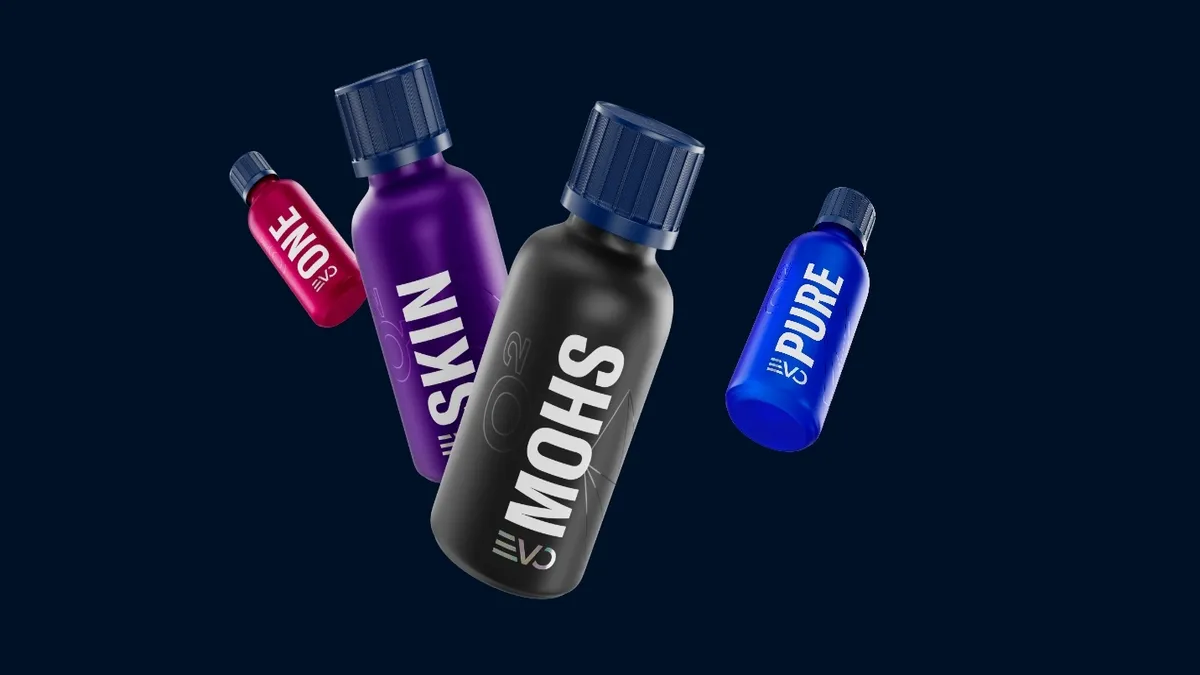
If you have lived in the Houston area for more than one spring, you know what pollen season looks like on an unprotected car. The fine yellow and green particles that coat every surface from March through May are mildly acidic, and on paint without protection they can begin to etch the clear coat if left to bake in the sun. A vehicle with a properly cured GYEON MOHS EVO ceramic coating repels pollen through its hydrophobic surface properties, meaning a light rinse sends the particles sliding off rather than sitting and stewing in the heat. We install GYEON MOHS EVO as our primary ceramic product because its hydrophobic performance in high-contamination environments like Houston’s is consistently among the best we have tested. Clients who get coated in March arrive at our shop two months later with vehicles that look dramatically better than their uncoated neighbors — not because they washed more, but because the coating does the work between washes.
The UV Argument Is Straightforward
Texas UV intensity in the summer is genuinely aggressive. The UV index in the Houston metro regularly hits 11 on the scale, which is classified as extreme, from May through September. Unprotected clear coat degrades under sustained UV exposure through a process called oxidation, where the polymer chains in the clear coat break down, causing the paint to look dull, hazy, and eventually chalky. Ceramic coating contains UV blockers that absorb and deflect UV radiation before it can interact with the clear coat beneath. Getting coated in March means the UV protection is fully cured and in place before the summer UV peak, not applied reactively after some of that damage has already begun. The coating’s curing process typically takes 14 to 21 days to reach full hardness, which means a March application is fully hardened and performing at its peak before the first brutal day of May.
Road Trip and Outdoor Season Prep
Spring break traffic in the Houston area picks up in March and April, and summer road trips start in earnest by Memorial Day. Highway driving is among the harshest environments for unprotected paint because of the constant bombardment of road debris, bug splatter, and highway tar that accumulates during long drives. Bug acids are particularly damaging because they begin etching clear coat within hours on a hot surface if not rinsed off. A ceramic coated vehicle is significantly easier to decontaminate after a road trip because the coating’s smooth, slick surface does not allow contaminants to bond as aggressively as they do on bare paint. We have clients who drive regularly to San Antonio and Dallas for work, and they consistently report that road trip cleanup takes them fifteen minutes instead of an hour after their coating was applied.
What the Process Looks Like at Our Shop
A ceramic coating appointment at EuroLuxe Detailing begins with a thorough decontamination wash to remove bonded surface contamination, followed by clay bar treatment to pull embedded particles from the clear coat. If the paint has swirl marks, water spot etching, or oxidation from the previous season, we perform paint correction first to give the coating a clean, defect-free surface to bond to. Applying ceramic coating over compromised paint seals those defects under the coating permanently, which is not the result anyone wants. Once the surface is prepared, the GYEON MOHS EVO coating is applied panel by panel and leveled carefully before it begins to cure. Most full-vehicle coating appointments take one to two days depending on paint condition and whether correction is needed. We recommend leaving the vehicle with us rather than rushing the process.
What to Do With Your Vehicle After Coating
The 72-hour post-application window is critical. The vehicle should not get wet during this period — no rain, no car wash, no morning dew if it can be avoided. We always check the Tomball weather forecast before booking coating appointments to give our clients the best possible curing window. After 72 hours, normal washing is fine, though we recommend pH-neutral maintenance soap and avoiding automated car washes with their abrasive brush systems. The full cure to maximum hardness takes two to three weeks, during which the coating bonds more deeply with the clear coat surface. After full cure, the vehicle can be treated with a GYEON maintenance spray during washes to top up the hydrophobic layer and extend the coating’s effective lifespan.
Getting on the Schedule Before Summer Fills It
March and April are when our coating schedule fills the fastest because experienced clients know this window closes quickly. Once Houston’s heat and humidity peak, the installation window narrows and appointment availability shrinks as demand stays high but capacity to do the job correctly is more constrained. If ceramic coating is something you have been thinking about, spring is the time to act — not because we are trying to rush you into a decision, but because the practical conditions genuinely favor it. We offer free paint inspections at our Tomball shop where we assess the condition of your clear coat, tell you honestly whether correction is needed before coating, and give you a quote with no obligation to book.
Schedule your spring ceramic coating consultation at EuroLuxe Detailing.