Ceramic coating and gloss: what it actually does to your paint
One of the most common expectations people bring into a ceramic coating appointment is that the coating will make their paint look better. That is true in a specific and limited sense, but the full picture is more nuanced than most shops explain. A ceramic coating amplifies what is already on the paint surface. If the paint is clean, corrected, and free of defects, a quality coating will push that gloss and depth further than bare clear coat alone. If the paint has swirl marks, oxidation, or haze, the coating will lock all of that in permanently and make it easier to see.
Understanding what ceramic coatings do to gloss — and what they cannot do — helps owners make better decisions about how to sequence their vehicle protection. It also clarifies why paint correction is not optional when the goal is a result worth paying for.
What creates gloss in automotive paint
Gloss is a property of light reflection. When light hits a smooth, flat surface, it reflects uniformly and the eye perceives depth and clarity. When a surface has micro-scratches, swirl marks, or contamination, light scatters in multiple directions. The result is a dull, hazy appearance that reduces the apparent depth of the paint, especially in direct sunlight or under artificial lighting.
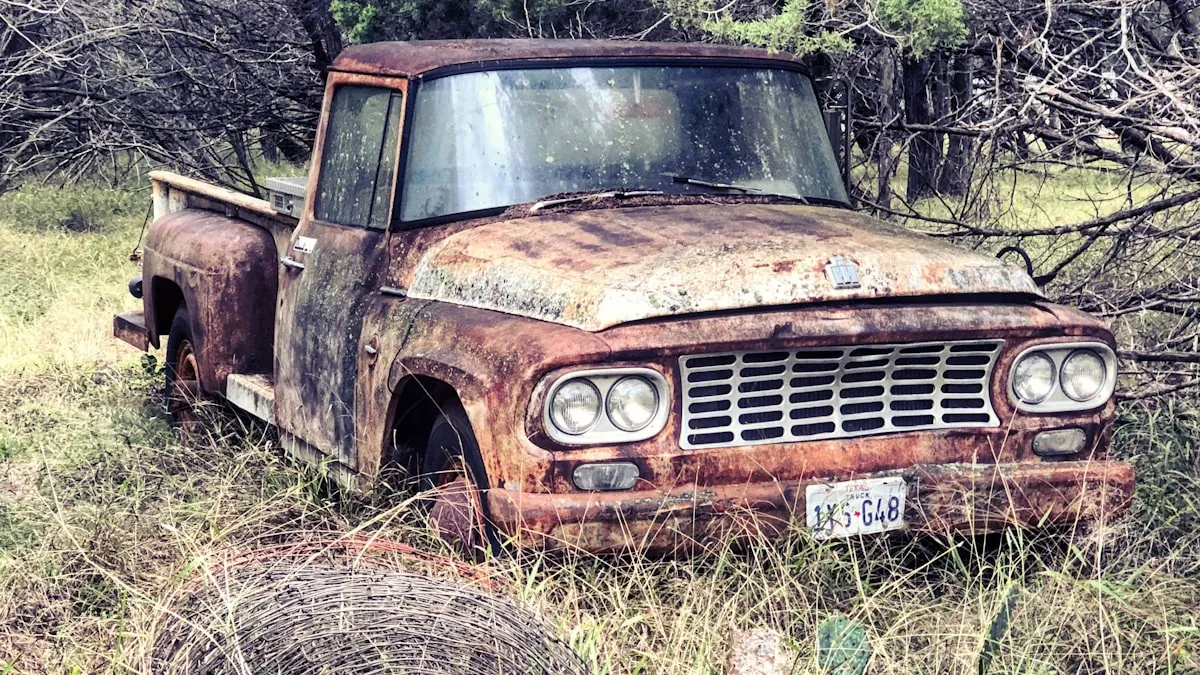
Automotive clear coat provides the outermost layer on most modern vehicles, and its surface condition determines how much light reflects cleanly. Even a new car can come off the transport truck with surface defects introduced by inadequate washing at the port or during dealer prep. Clear coat is relatively soft and picks up scratches quickly under standard washing and drying conditions.
A ceramic coating sits on top of the clear coat and provides a harder, more chemically resistant surface. Its own surface is smooth at a molecular level, which contributes to improved light reflection. But the coating conforms to whatever topography exists on the clear coat beneath it. A scratched surface coated with ceramic is a scratched surface protected by ceramic. The hardness of the coating actually makes the underlying defects more difficult to address later.
How Gyeon coatings interact with corrected paint
Gyeon’s professional coating lineup, which EuroLuxe uses for its coating work, is built around quartz-based chemistry that bonds covalently to the clear coat surface. The result after curing is a surface measurably harder than bare clear coat, highly hydrophobic, and resistant to UV degradation and chemical contamination from road wash, bird droppings, and environmental fallout.
When applied over properly corrected paint, the optical improvement is substantial. The leveling properties of the coating during application allow it to fill in very minor surface texture irregularities, and the cured surface reflects light more uniformly than clear coat alone. Owners who have seen the difference between corrected paint and corrected, coated paint under direct lighting will understand why paint correction is treated as the first step rather than an optional add-on.
Gyeon’s system also separates their professional-grade products from consumer spray coatings in terms of coating thickness and bond strength. Thicker coating layers contribute to a more pronounced depth of finish, often described as a wet look. That quality comes from the coating itself, but it still requires the underlying paint to be in good condition to deliver its full effect.
Why paint correction must come first
The sequence matters because ceramic coatings are semi-permanent. A professionally applied Gyeon coating is not something you wash off or remove with a clay bar. Removing it requires machine polishing, which means cutting through the coating along with some of the clear coat beneath. Owners who coat over defects and later want to address them face the same polishing process they avoided before, except now they are working through the coating layer first.
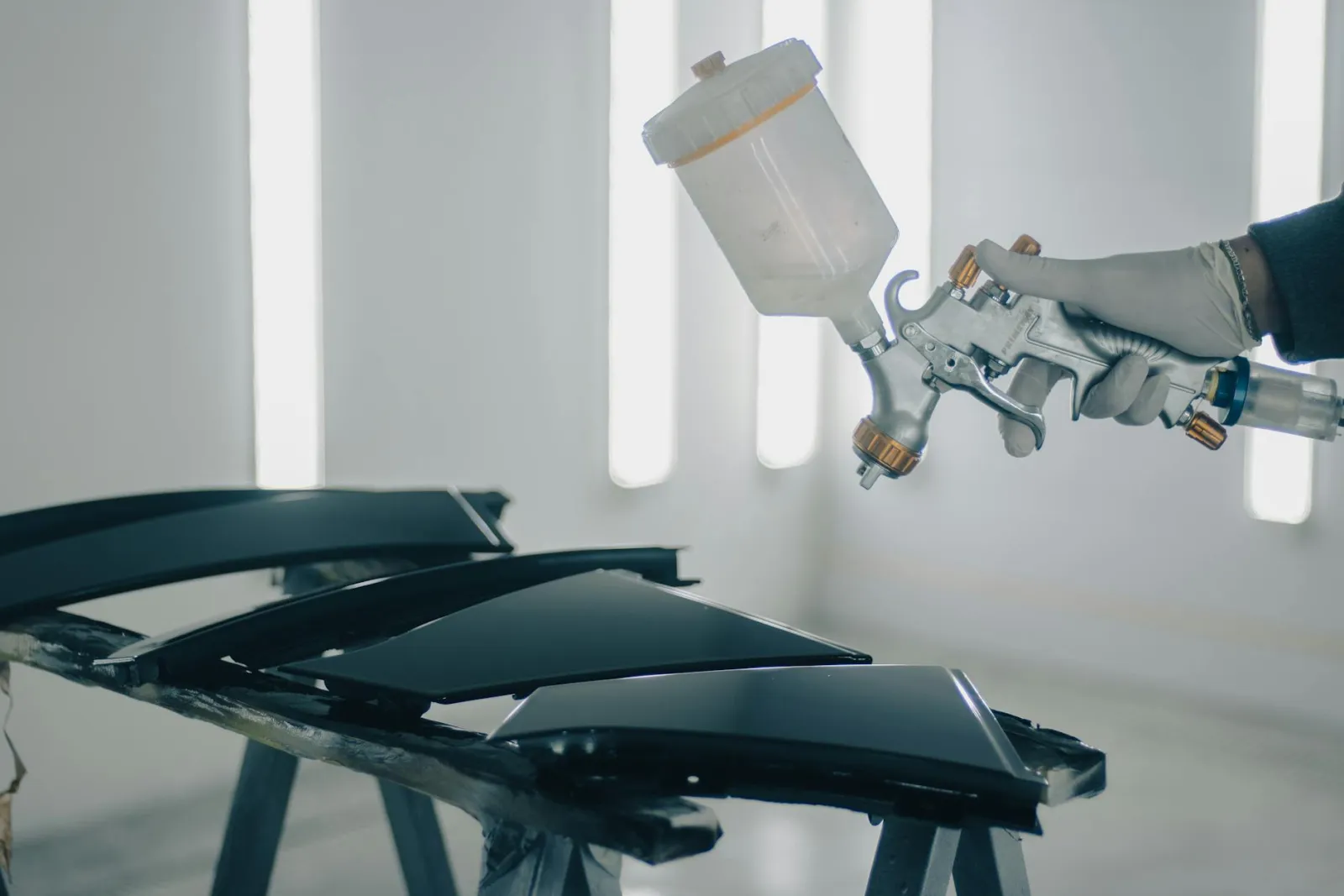
Paint correction before coating serves two purposes. It removes the defects that would otherwise be amplified and locked in by the coating. It also prepares the surface chemically and mechanically for proper coating adhesion. Polishing leaves a clean, lightly abraded surface that ceramic coatings bond to effectively. Contaminated or wax-coated surfaces interfere with that bond.
The correction process itself ranges from a single-stage polish on paint in good condition to multi-stage compound and polish work on paint with deeper scratches, heavy swirling, or early oxidation. The correct approach depends on a proper inspection under lighting before any work starts. What looks acceptable in a garage can show significant defects under a high-intensity panel light or in direct sun.
What to expect from gloss after coating
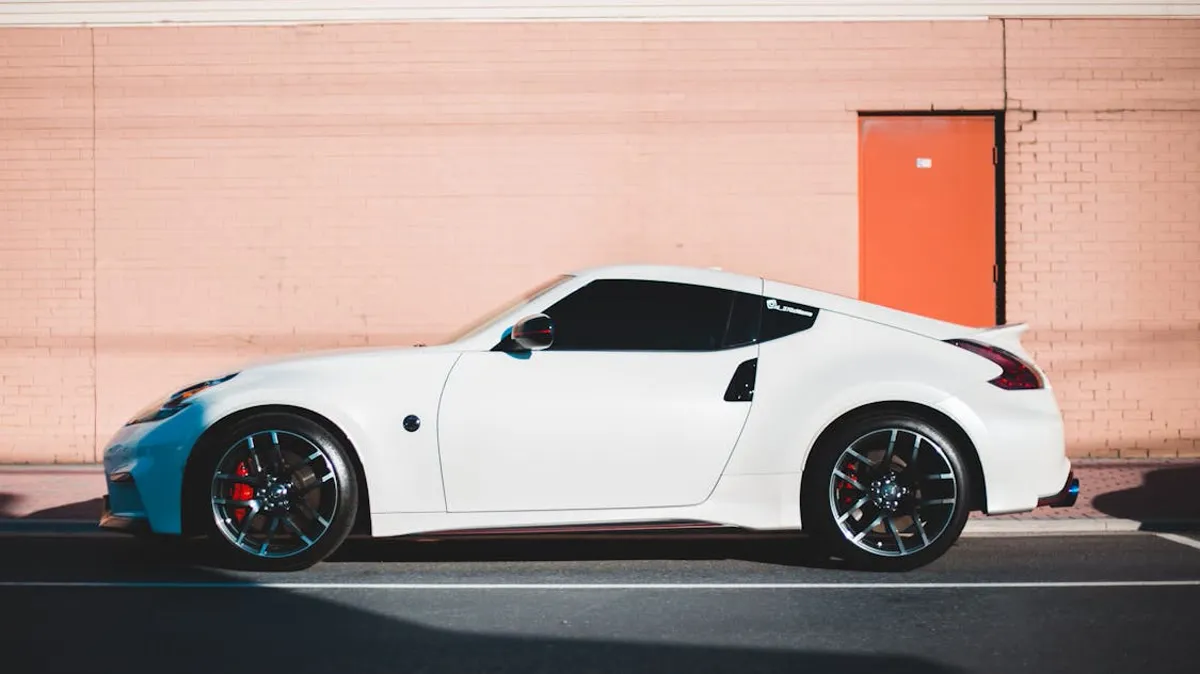
Owners who go through the full process — decontamination, paint correction, and ceramic coating — typically notice the difference immediately after the coating cures. The paint appears deeper and more uniform. Reflections of surrounding objects in the paint have sharper edges. Under direct sunlight, metallic and pearl finishes show more clarity and pop.
The improvement is more dramatic on darker colors because defects are more visible on dark paint and the contrast between defective and corrected surfaces is larger. But lighter colors benefit too, particularly in terms of gloss uniformity and the sustained appearance over time. A ceramic coating’s resistance to contamination means the paint stays cleaner between washes and the surface does not dull as quickly from light contamination buildup.
What ceramic coating does not do is add color richness or tint the paint. It is optically clear. It enhances what is there rather than altering it. Some owners describe it as removing a layer of interference between them and the true color of the paint. That description is reasonably accurate. The coating removes the scattering effect of surface contamination and minor defects and replaces it with a smooth, consistent surface.
Maintaining gloss after the coating is applied
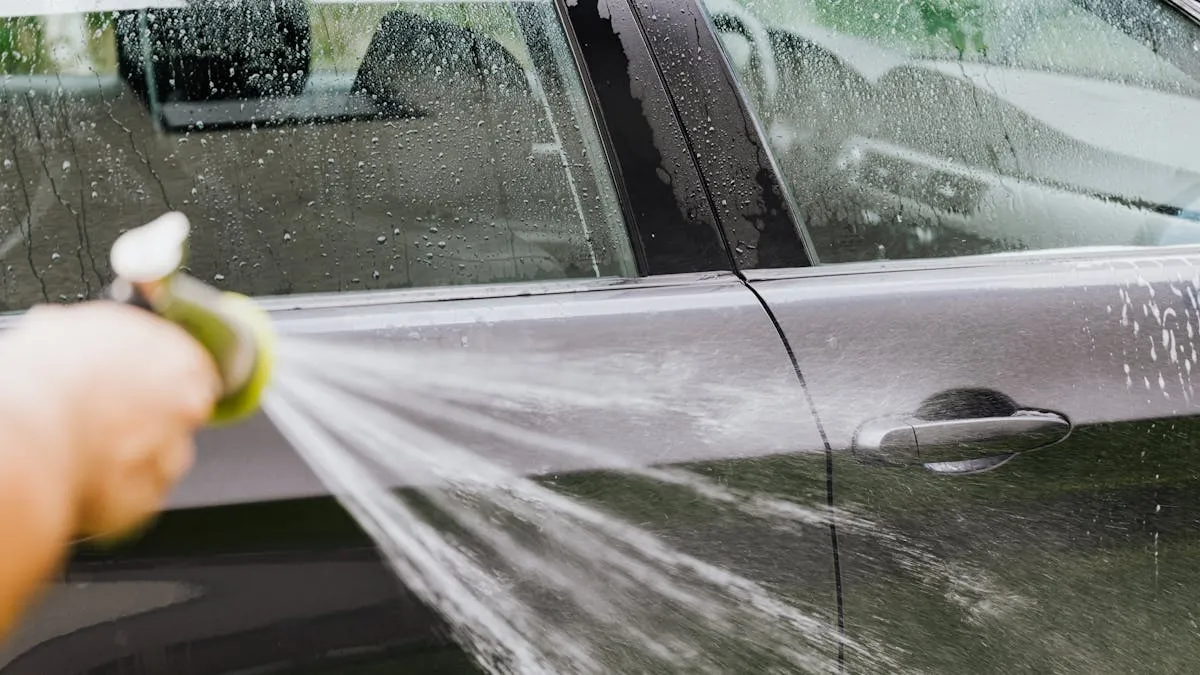
The long-term gloss from a ceramic coating depends heavily on how the vehicle is washed after the coating cures. Automatic tunnel washes with abrasive brushes introduce the same swirl marks the correction process removed. Improper hand washing with a single dirty bucket does the same thing more slowly. The coating protects against chemical contamination and UV better than bare clear coat, but it does not make the surface immune to physical abrasion from poor washing technique.
The recommended approach after ceramic coating is a regular two-bucket hand wash or touchless wash, with quality microfiber towels for drying. Periodic application of a compatible spray topper or coating booster, which Gyeon offers as part of their maintenance line, refreshes the hydrophobic properties and keeps the surface performing at the level you paid for.
Gloss retention over the life of the coating tracks closely with how consistently those maintenance habits are followed. Vehicles that get professional maintenance washes and annual inspections hold their appearance far longer than coated vehicles that go back through brush washes and inconsistent care. The coating is not the finish line. It is the foundation.
How to evaluate your paint before committing
If you are considering ceramic coating and you are unsure what condition your paint is actually in, the most useful step before booking the service is an honest inspection under proper lighting. Surface defects that are invisible in shade become obvious under a high-intensity LED work light or in direct afternoon sun. Installers who do the inspection correctly will tell you what correction work is needed before the coating goes on.
Any shop that quotes ceramic coating without asking about paint condition or recommending an inspection before pricing the job is skipping the step that determines whether the result will actually look good. Coating price is not the deciding factor in a quality outcome. Prep is.
If you have questions about what your paint needs before coating or want to schedule an inspection at the shop, call EuroLuxe at (936) 292-6056. The shop is located at 11701 Holderrieth Rd, Tomball, TX 77375 and serves owners across North Houston including The Woodlands, Cypress, Conroe, Spring, and surrounding areas.
Ceramic coating is one of the more durable investments you can make in a vehicle’s appearance, but its outcome is determined before the coating ever touches the paint. Getting the prep right is the job. The coating is what preserves it.