Ceramic coating for white trucks and SUVs in North Houston
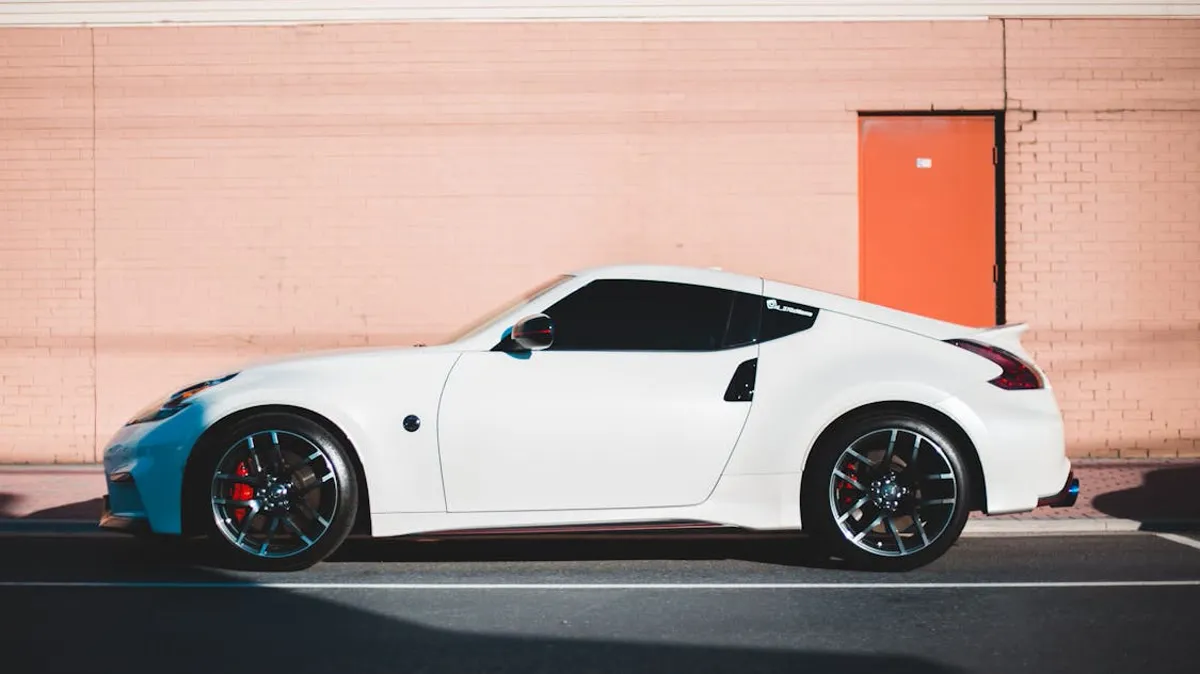
White is the most popular vehicle color in North Houston by a wide margin, and for good reason. It reflects heat, photographs well, and holds resale value. But white paint presents its own maintenance problems that don’t show up in the dealership lot. Iron fallout, brake dust, bird etchings, hard water mineral deposits, and the yellowing oxidation that develops on horizontal panels all read clearly on white once the accumulation reaches a certain threshold. Owners who have ever driven a white F-150, Suburban, or Tahoe through one Texas summer know what the front bumper looks like after six months of highway driving without protection.
Ceramic coating does not change the color of white paint. What it changes is the surface energy of that paint, and that single change cascades into a maintenance routine that is measurably easier. This article covers what Gyeon ceramic coating specifically does for white trucks and SUVs, what preparation those vehicles need before coating, and what realistic expectations look like over the life of the coating.
Why white paint reads differently under contamination
White paint sits at the bright end of the reflectance spectrum, which means any surface film — industrial fallout, mineral deposits, pollen, mildew from overnight humidity — shows as a yellowed or grayish cast instead of blending into the base color. On a dark vehicle, moderate contamination is often invisible until light hits at the right angle. On white, it is visible in flat overcast light from twenty feet away.
Horizontal panels accumulate the most. The hood, roof, and cab of a full-size truck are large, flat collecting surfaces for acid rain residue and bird droppings. In the North Houston area — Tomball, The Woodlands, Spring, Conroe — the combination of pine pollen in spring, high ambient humidity, and proximity to construction zones creates a sustained contamination environment. A white truck parked outdoors without protection will show panel-level discoloration within a season.
Oxidation is the slower version of the same problem. Unprotected clear coat breaks down under UV exposure, and the oxidized layer takes on a chalky off-white appearance that reads as a color change on a white vehicle. Once oxidation sets in at a deep level, paint correction becomes necessary before any protective coating can adhere properly.
What ceramic coating changes at the surface level
Gyeon ceramic coatings cure into a silicon dioxide matrix that bonds to the clear coat surface rather than sitting on top of it like a wax or sealant. The result is a surface hardness and hydrophobicity that changes how contaminants interact with the paint between wash cycles.
On a coated white vehicle, water beads and rolls off carrying suspended dirt with it rather than evaporating and leaving mineral residue behind. Bird droppings still land, and they still need to be removed promptly — ceramic coating does not neutralize acidic etching, it reduces the window in which etching can occur by making the surface less porous. The same logic applies to tree sap: the coating makes removal easier and reduces the likelihood that the substance bonds directly to the clear coat.
For white trucks and SUVs specifically, the most visible benefit over time is gloss retention. White paint with high gloss reads as clean even when it has accumulated light surface contamination. A coated vehicle holds that gloss depth longer than an unprotected one because the surface has fewer microscopic scratches accumulating from improper washes, and because contaminants do not penetrate into the clear coat layer.
Paint correction before coating on white vehicles
White paint is forgiving in one respect: swirl marks and buffer trails that would be immediately obvious on black or dark blue paint are harder to see in direct sunlight on white. That creates a false sense of paint condition. When you examine white paint under proper panel lighting at an oblique angle, the defect map usually reveals itself — fine wash-induced swirl marks on every panel, heavier compound trails if a previous shop worked the car aggressively, and often some micro-marring on the rear quarter panels from brush contact at automatic washes.
All of that needs to be corrected before a ceramic coating goes down. Coating over defective paint locks those defects in. On a white vehicle, moderate swirl marks may not bother the owner now, but the coating is designed to last several years, and the standard for a coated vehicle should be defect-free paint underneath. Our paint correction service addresses this with machine polishing staged to the hardness of the clear coat — domestic trucks often have harder clears than European vehicles, which changes pad and compound selection.
Paint decontamination is equally important. Iron fallout that has bonded to the surface needs to be chemically removed before polishing begins, and any tar or adhesive contamination has to come off before the coating is applied. Surface prep is not a shortcut step.
The coating application process on large vehicles
Full-size trucks and body-on-frame SUVs present a practical challenge that sedans do not: sheer surface area. A long-bed crew cab has more square footage of paintable surface than a mid-size car, and that square footage includes panel shapes that are less forgiving of application errors — long flat doors, large hoods, rear cargo panels on SUVs with minimal bead radius.
Application is done in a climate-controlled environment. Humidity and temperature directly affect how a silicon dioxide coating levels and flashes, and doing this work in an open bay in Texas humidity creates inconsistent results. Our facility at 11701 Holderrieth Rd in Tomball is equipped specifically to control those variables.
Coating application on a full-size truck typically takes the better part of a day when preparation is included. Gyeon’s product line includes a base coat and an optional top coat that adds additional surface hardness and extends maintenance intervals. For daily-driven trucks that see highway use, construction site parking, and periodic off-road exposure, the layered approach is worth discussing during the consultation.
For owners who also want physical chip protection on the front end — and on a truck that runs the 249 or 99 corridors regularly, that is a reasonable concern — combining paint protection film on the front bumper, hood leading edge, and fenders with ceramic coating over the full vehicle is the most comprehensive approach. The film handles impact energy; the coating handles everything else.
Maintenance on a coated white truck or SUV
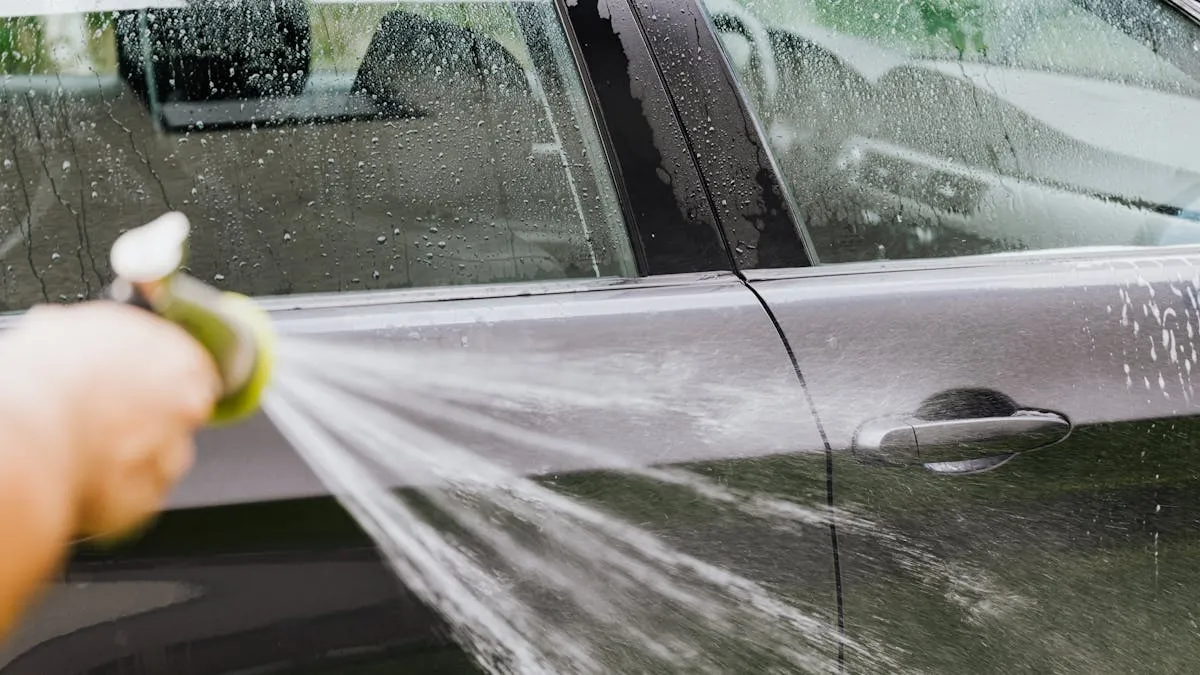
Coated vehicles are not maintenance-free. They are maintenance-simplified. A proper wash using a pH-neutral soap, two-bucket method, and clean microfiber removes the contamination load that would otherwise degrade a wax or sealant within weeks. On a coated vehicle, that routine keeps the coating performing as designed across its service life.
White trucks in particular benefit from a regular wash schedule during pollen season. The coating prevents pollen from bonding aggressively to the surface, but a vehicle sitting outdoors in March in North Houston can accumulate a visible yellow film within a day. Rinsing and proper washing during peak pollen weeks is the lowest-effort maintenance step with the highest visible payoff.
Automatic car washes with brushes are still off the table after coating. The swirl damage from brush contact accumulates regardless of the protective layer underneath, because the abrasion is mechanical against the coating surface itself. Touchless tunnel washes are a lower-risk option for in-between washes, though hand washing is always preferable.
Annual inspection of the coating is worth scheduling. The hydrophobic behavior of the coating surface is a reliable indicator of coating condition — if water is no longer beading and sheeting, the coating has either degraded or been damaged in specific areas. A maintenance detail and coating booster application can extend service life without a full re-coat.
What the investment covers on a practical level
The case for ceramic coating a white truck or SUV is not primarily about aesthetics, though the gloss improvement on a freshly corrected and coated vehicle is immediately visible. The case is about the time, effort, and long-term cost of keeping large white paintwork in good condition over several years of use.
An unprotected white truck washed regularly with proper technique will still accumulate hard water spotting, will still require periodic decontamination, and will need paint correction every few years to address wash-induced marring. A coated vehicle reduces the frequency and severity of each of those interventions. For someone who keeps trucks four to six years — which describes most buyers in the North Houston market — the math across the ownership period typically works in the coating’s favor.
If you want to talk through what a specific vehicle needs — whether that is correction only, coating only, or a combined package — call EuroLuxe at (936) 292-6056 or get a quote online and we can review the vehicle’s current condition and give you an honest scope of work.
White paint does not forgive neglect the way darker colors sometimes do, but it also rewards proper preparation and a quality coating more visibly than almost any other color. The gloss on a well-corrected, freshly coated white truck in direct Texas sunlight is not subtle.