
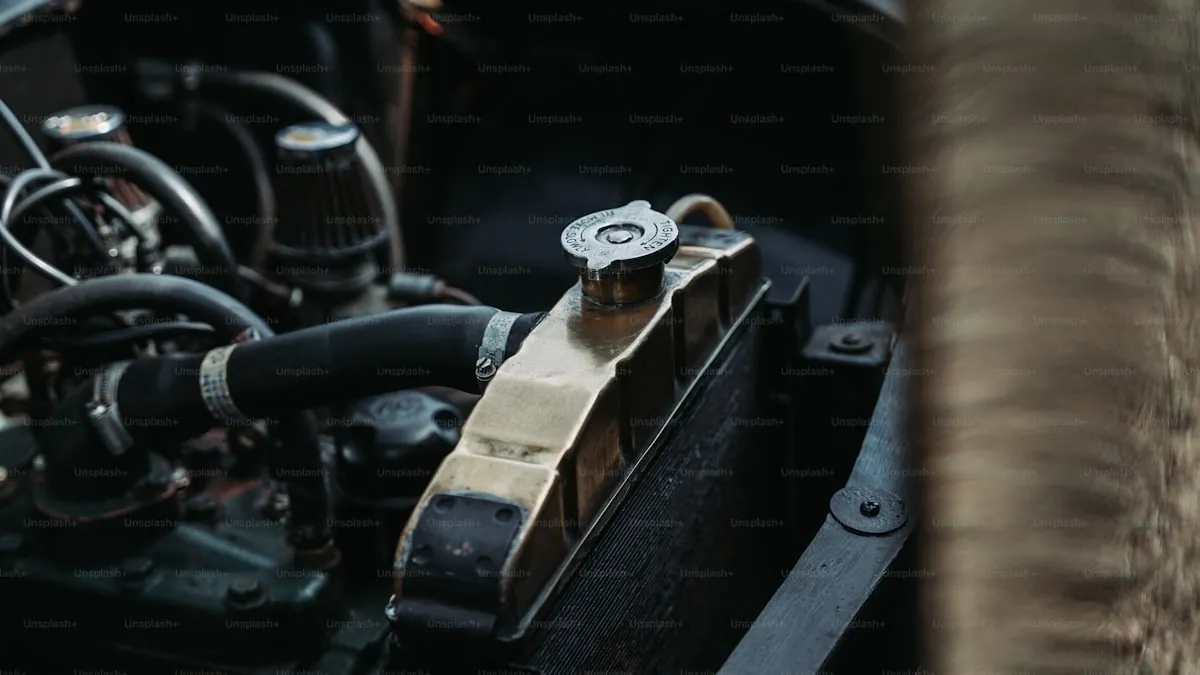
Engine Bay Cleaning and Detailing: Should You Do It?
The Case for Engine Bay Cleaning
Engine bay cleaning is one of the most debated topics in the detailing world, with strong opinions on both sides about whether the benefits justify the risks. The practical argument is straightforward: a clean engine bay makes it easier to spot leaks, worn belts, cracked hoses, and other maintenance issues that a layer of grime and road film would conceal. Beyond diagnostics, a clean engine bay contributes to overall vehicle presentation, which matters for show vehicles, pre-sale preparation, and anyone who takes pride in every aspect of their car’s condition. At our shop in Tomball, we perform engine bay details regularly and have developed methods that deliver excellent results while protecting the sensitive components that make this service potentially risky.
Understanding the Risks
The primary concern with engine bay cleaning is water intrusion into electrical connectors, sensors, and control modules that modern vehicles rely on for everything from engine management to transmission shifting. A misplaced pressure washer blast aimed directly at an alternator, fuse box, or mass airflow sensor can introduce moisture that causes immediate malfunctions or slow corrosion that creates intermittent electrical problems weeks later. Coil-on-plug ignition systems, which sit directly on top of the spark plugs in most modern engines, are particularly vulnerable to water intrusion that can cause misfires. These risks are real, but they are also entirely manageable with proper technique, appropriate equipment, and an understanding of what to protect before you start.
The Right Way to Clean an Engine Bay
Safe engine bay cleaning starts with preparation, not spraying. Allow the engine to cool until components are warm but not hot, typically 15 to 20 minutes after driving, which helps cleaning products work effectively without the risk of thermal shock or steam burns. Cover sensitive electrical components with plastic bags secured by rubber bands, including the alternator, fuse box, air intake, and any exposed wiring harness connectors. Use a dedicated engine degreaser applied with a spray bottle at controlled coverage rather than a wide-pattern spray that sends product everywhere indiscriminately. Agitate with soft-bristle brushes to loosen grime from textured surfaces, hoses, and bolt heads where dirt accumulates in crevices.
Water Pressure and Rinsing Technique
When it comes time to rinse, water pressure is the single most important factor in determining whether your engine bay cleaning goes well or badly. A standard garden hose with a controllable nozzle set to a gentle shower pattern is safer than a pressure washer for most engine bay work, providing enough flow to rinse degreaser and loosened grime without driving water into sealed connectors. If you do use a pressure washer, keep it at the lowest setting, typically 500 to 800 PSI, and maintain at least 18 to 24 inches of distance from all components. Direct the water flow downward and outward, working with gravity rather than against it, and never aim high-pressure water directly at any electrical connector, sensor, or the air intake opening.
Dressing and Protecting After Cleaning
Once the engine bay is clean and excess water has been removed with compressed air or absorbent towels, dressing the surfaces provides both protection and a finished appearance. Apply a water-based engine bay dressing to plastic covers, hoses, and rubber components using an applicator pad for controlled coverage. Avoid silicone-based dressings that attract dust rapidly and create a greasy film that looks worse than a dirty engine within weeks. For exposed metal surfaces like valve covers or intake manifolds, a light coating of a metal-specific protectant prevents oxidation and maintains a clean appearance between services. The goal is a natural, clean look rather than a wet, shiny engine bay that looks artificially dressed.
When Engine Bay Cleaning Adds Real Value
Certain situations make engine bay cleaning particularly worthwhile from both a practical and financial perspective. If you are selling your vehicle, a detailed engine bay signals to buyers and mechanics that the car has been well maintained, and it removes the greasy, neglected appearance that raises red flags during pre-purchase inspections. Show cars and concours entrants obviously require meticulous engine bays, and many events deduct points for visible grime, stained hoses, or dirty fluid reservoirs. After any mechanical work that involved fluid spills, gasket replacements, or extended time with the hood open, an engine bay detail removes the residual mess and resets the appearance to a baseline that makes future leak detection straightforward.
When to Leave It to a Professional
While basic engine bay cleaning is within the capability of a careful DIY detailer, several scenarios warrant professional handling. Vehicles with extensive aftermarket wiring, exposed ECUs, or custom intake systems present elevated risk because the modifications may not have the factory-level sealing and water resistance of original components. High-performance and European vehicles often have more densely packed engine bays with tighter clearances and more sensitive electronics, making precise product application and controlled rinsing essential. Engines with visible oil leaks should be addressed mechanically before cleaning, as degreasing a leaking engine merely resets the clock on a mess that will return within weeks and wastes your time and money.
Engine Bay Care as Part of Complete Vehicle Maintenance
A properly cleaned and maintained engine bay is one component of comprehensive vehicle care, and it pairs naturally with the exterior and interior detailing services we provide. At EuroLuxe Detailing, our engine bay detail is a popular add-on to full correction and coating packages, giving clients a vehicle that is pristine from the paint surface to the engine compartment. We have the experience and equipment to handle everything from a basic maintenance cleaning on a daily driver to a full concours-level engine bay restoration on a show vehicle. If you want your engine bay cleaned safely and professionally, get a quote from our team and let us add this service to your next visit at our Tomball location.


