Gloss vs. Matte vs. Satin PPF: Which Finish Is Right for Your Car?
PPF Does More Than Protect — It Changes How Your Car Looks
Most people think of paint protection film as invisible armor. And for the majority of installations, that’s exactly what it is — a clear, gloss film that disappears on your paint and quietly absorbs abuse.
But PPF has evolved beyond clear and glossy. Today’s premium film manufacturers offer three distinct finish categories: gloss, matte (often called “stealth”), and satin. Each one looks dramatically different, serves different purposes, and comes with different maintenance requirements.
Choosing the right finish isn’t just about protection — it’s about the visual result you want to live with for the next 7-10 years.
Gloss PPF: The Invisible Standard
Gloss PPF is the standard. It’s what 80%+ of installations use. The goal is simple: protect the paint while being completely invisible.
What It Looks Like
A properly installed gloss PPF is virtually undetectable. The film’s optical clarity matches your factory paint’s gloss level, and once the adhesive cures and the film settles (24-48 hours), even experienced detailers can have trouble identifying where the film starts and stops.
Under perfect conditions — proper paint preparation, controlled installation environment, premium film — gloss PPF is invisible from more than a few inches away.
Best For
- Any factory gloss paint that you want to keep looking factory
- Owners who want invisible protection — you see the car, not the film
- Resale-conscious owners — gloss PPF preserves the original look buyers expect
- Vehicles where the factory paint color is the star — metallics, pearlescents, and tri-coats look best through clear gloss film
Cost
Gloss is the baseline price for PPF. All other finishes cost more. A full front gloss PPF kit runs $1,500-$3,000. Full body runs $5,000-$10,000 depending on vehicle size.
Maintenance
Standard vehicle maintenance applies. Wash normally (hand wash recommended), apply ceramic coating over the film for added protection and hydrophobic properties, and treat it like you would treated paint. Gloss PPF is the lowest-maintenance option.
Matte / Stealth PPF: The Transformation Film
Matte PPF — marketed as “stealth” by XPEL and similar terms by other brands — is where PPF gets interesting. It serves two completely different purposes depending on your starting point.
Purpose One: Convert Gloss Paint to Matte
If your car has factory gloss paint but you want a matte appearance, matte PPF achieves that transformation without repainting. The film’s surface diffuses light instead of reflecting it, creating a flat, non-reflective finish over your glossy paint.
This is a reversible change. When the film is removed in 7-10 years, your original gloss paint is underneath, perfectly preserved. You essentially get a matte car for a decade with zero commitment — if you change your mind or want to sell the vehicle with its original gloss finish, you peel the film.
Purpose Two: Protect Factory Matte Paint
Manufacturers like BMW (Frozen colors), Mercedes (designo magno), Porsche (PTS matte options), and Hyundai/Genesis (matte options) offer factory matte paint. These finishes are stunning but have a critical weakness: they can’t be polished.
If factory matte paint gets a swirl mark, water spot etch, or chemical stain, you can’t buff it out without creating a shiny spot. Paint correction — the standard fix for gloss paint defects — is not possible on matte surfaces.
Matte PPF solves this completely. The film protects the delicate matte surface from the damage that would otherwise be permanent and uncorrectable.
What It Looks Like
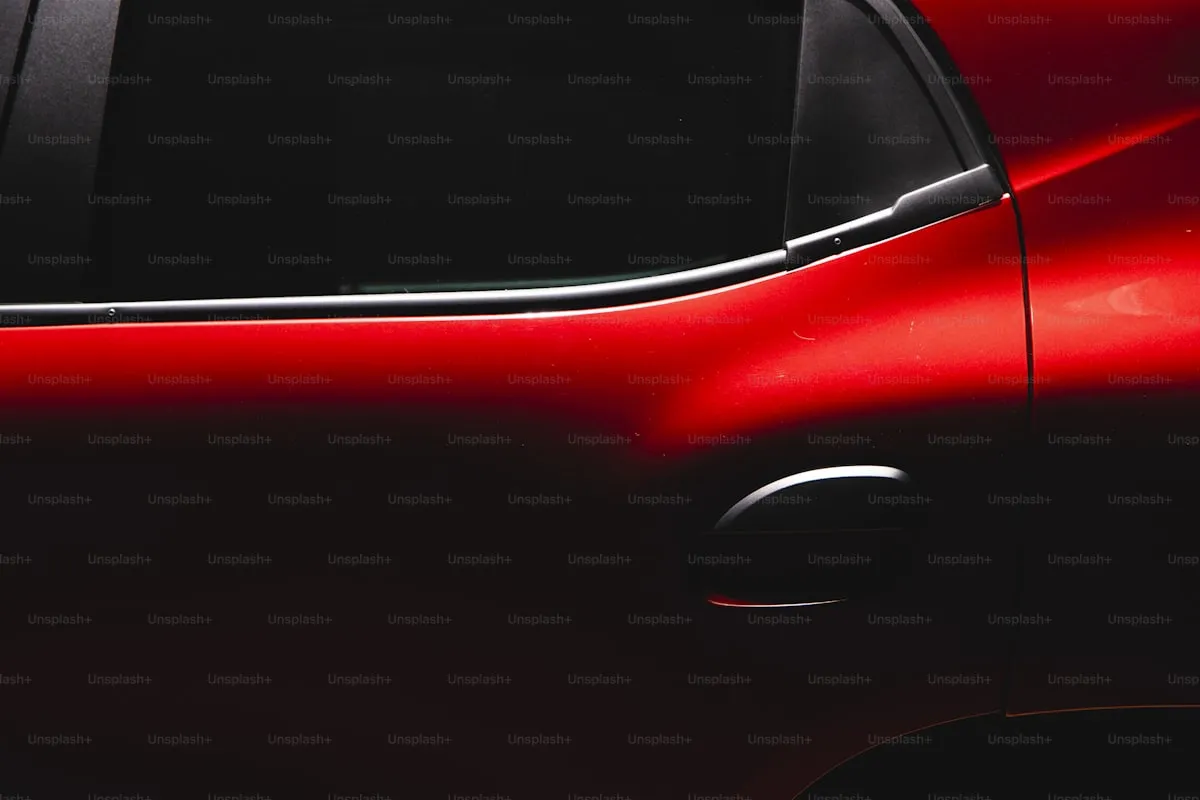
Matte PPF has a consistent, flat finish with zero reflected glare. It’s not just “less shiny” — it’s fundamentally different from gloss. Colors appear deeper and more saturated without the reflection layer.
A black car with matte PPF looks like a military stealth vehicle. A white car looks like matte porcelain. Bright colors like red, blue, or yellow take on an entirely different character — bold and saturated without any surface shine.
Cost
Matte PPF costs 15-25% more than gloss. A full front matte kit runs $1,800-$3,500. Full body runs $6,000-$12,000. The premium reflects higher material costs and the additional precision required during installation (every imperfection shows more on matte surfaces because light isn’t being reflected away).
Maintenance — This Is Where It Gets Different
Matte PPF requires different care than gloss:
- No wax, glaze, or sealant — traditional wax and glaze products fill surface texture to create shine. On matte film, they create patchy, inconsistent gloss spots that ruin the flat finish.
- Matte-specific wash products — use only soaps and quick detailers formulated for matte surfaces. These clean without adding shine.
- No machine polishing — a rotary or dual-action polisher will burnish matte film into a semi-gloss finish. Spot cleaning only, by hand.
- Ceramic coating is strongly recommended — a matte-specific ceramic coating (yes, these exist) protects the film without altering the finish. It adds contamination resistance and makes washing safer and easier.
- Water spot vigilance — water spots show differently on matte surfaces and can be harder to remove. Drying the vehicle thoroughly after each wash is more critical than with gloss.
Matte is higher maintenance than gloss. If you don’t want to think about special products and drying protocols, gloss is the better choice.
Satin PPF: The Best of Both Worlds
Satin finish PPF is the newest category and it’s gaining popularity fast, especially in the luxury and performance market. It sits exactly between gloss and matte — a soft, understated sheen that catches light gently without the flat look of matte or the mirror-like reflection of gloss.
What It Looks Like
Satin has a “wet sand” or “silk” quality. Light interacts with the surface differently than either gloss or matte — it produces a soft glow rather than a sharp reflection or complete diffusion. The effect is sophisticated and understated, particularly striking on darker colors.
Think of the difference between a glossy magazine cover and a premium business card with a soft-touch coating. That’s the visual and tactile shift satin creates.
On luxury vehicles, satin PPF creates a look that reads as expensive and intentional without being flashy. It’s become particularly popular on vehicles like the BMW M series, Mercedes AMG GT, Porsche 911 Turbo, and Tesla Model S Plaid.
Best For
- Owners who want something different without the full commitment to matte
- Dark-colored vehicles where satin enhances depth without overwhelming reflection
- Luxury and performance vehicles where a subtle, elevated appearance matches the car’s character
- Owners who find gloss too common and matte too aggressive
Cost
Satin PPF is priced similarly to matte — 15-25% above gloss. The material cost is comparable and the installation precision requirements are the same.
Maintenance
Satin maintenance sits between gloss and matte. You should still avoid heavy glazes and traditional wax, but the surface is slightly more forgiving than pure matte. A satin-compatible ceramic coating is the best long-term maintenance strategy.
Decision Framework
Still not sure? Work through these questions:
Do You Love Your Factory Paint Color and Want It to Look Exactly the Same?
Choose gloss. It’s invisible and preserves the factory appearance precisely. No one will know it’s there unless you tell them.
Do You Want a Dramatic Visual Change Without Repainting?
Choose matte or satin. Matte for a bold, flat look. Satin for a subtle, sophisticated shift. Both transform the vehicle’s appearance while providing full protection, and both are completely reversible when removed.
Does Your Car Have Factory Matte Paint?
Choose matte. Matte PPF is the only way to protect factory matte finishes. You cannot polish matte paint, so the film is your only defense against swirl marks, water spots, and chemical damage.
How Much Maintenance Are You Willing to Do?
Gloss = standard maintenance. Wash and go. Same products you’ve always used.
Satin = moderate maintenance. Avoid heavy wax/glaze. Use compatible products.
Matte = dedicated maintenance. Matte-specific products only. No polishing. Careful drying every wash.
Are You Planning to Sell the Vehicle?
Gloss PPF preserves resale value best because it maintains the factory appearance buyers expect. Matte and satin appeal to specific buyers — they can help or hurt resale depending on the market. A matte-wrapped BMW M4 might sell faster to an enthusiast, but a matte-wrapped Honda Accord might confuse a typical buyer.
Do You Want to Pair PPF with Ceramic Coating?
All three finishes benefit from ceramic coating, but the coating formula must match the finish. Gloss ceramic coating on matte film will create inconsistent shine patches. Make sure your installer uses finish-appropriate ceramic products.
Can You Mix Finishes on the Same Vehicle?
Technically yes, and some owners do it intentionally. A common combination: matte or satin PPF on the hood and roof with gloss on the remaining panels. This creates a two-tone effect without repainting.
However, mixing finishes requires careful planning. The transition lines need to follow the vehicle’s natural body lines so they look intentional rather than accidental. The installer needs experience with multi-finish projects to get the visual balance right.
How Finishes Age
All three finishes age slightly over their 7-10 year lifespan:
- Gloss may develop very slight haze in high-impact areas after years of debris hits. The self-healing top coat keeps it looking fresh, but the film body absorbs impacts that can slightly reduce clarity over time.
- Matte maintains its finish consistently over time. Because there’s no gloss to lose, the aging process is less visually apparent. The biggest risk is chemical contamination creating permanent shiny spots if not cleaned promptly.
- Satin ages similarly to matte, with consistent appearance over time. The soft sheen is maintained by the film’s surface texture, which holds up well over the film’s lifespan.
Frequently Asked Questions
Does matte PPF make any car look good, or does it only work on certain colors?
Matte looks dramatic on any color, but the effect varies. Dark colors (black, dark gray, navy) become strikingly bold in matte — think stealth fighter. White and light silver become clean and minimalist, like ceramic or concrete. Bright colors (red, blue, yellow) become saturated and deep. The only colors where matte can look underwhelming are mid-tone silvers and champagne metallics, where the matte effect can sometimes appear flat rather than intentional.
Can I put matte PPF on just the hood and keep the rest gloss?
Yes, and it’s a popular option. This creates a deliberate two-tone look similar to what some manufacturers offer from the factory. The key is placing the finish transition along a natural body line so it looks designed rather than accidental. Your installer should review the body lines with you before committing to placement.
Will satin PPF look good on a white car?
Satin on white creates a sophisticated, premium look — similar to matte white but with a subtle glow that adds dimension. It’s particularly popular on white Teslas, BMW M cars, and Porsches. The effect is less dramatic than matte (no sharp visual contrast from the original gloss) but delivers a refined, elevated appearance.
Is matte PPF harder to maintain than gloss?
Yes, meaningfully so. You cannot use traditional wax, glaze, or sealant products. You cannot machine polish the surface. You need matte-specific wash soap, quick detailer, and ceramic coating. Water spots must be addressed promptly because they show differently on matte and can leave marks if left too long. If easy maintenance is important to you, gloss is the better choice.
Can I change from matte PPF back to my original gloss paint later?
Absolutely. That’s one of the best features of matte PPF. When the film is removed, your original factory gloss paint is underneath, preserved and pristine. You get a matte car for the life of the film with zero permanent commitment. If you sell the vehicle or simply change your mind, the original finish is there waiting.
Ready to choose your finish? Get a free quote from EuroLuxe Detailing or call us at (936) 292-6056. We install gloss, matte, and satin PPF on all makes and models in Tomball, The Woodlands, and the greater North Houston area.