
Lower body PPF: why rockers and doors take the worst hits
Most conversations about paint protection film start at the front of the vehicle — the hood, bumper, and fenders that intercept highway debris at speed. That is a reasonable place to focus, but it leaves out the section of the car that absorbs punishment from a completely different source: the lower body. Rocker panels, the lower third of every door, and the rear quarter below the wheel opening take damage not from objects launched at the front clip but from everything thrown sideways by your own tires and the tires of vehicles around you.
In the North Houston area — on roads like FM 2920, the Grand Parkway, SH-249, and the surface streets running through Tomball, Cypress, Spring, and Conroe — road conditions generate a consistent supply of loose aggregate, road paint, tar strips, and construction debris. Much of it travels at low angles, well below the front bumper line, and lands directly on lower body panels. It is a slow, steady kind of damage that rarely produces a single dramatic chip. Instead it accumulates as dozens of small impacts per week, each one small enough to go unnoticed until the panel looks peppered and the clear coat is compromised.
Understanding why this area is structurally different from the front clip changes how you think about protection planning.
Why the lower body is a different problem than the front end
Front-end rock chips come from objects that have been flicked upward off the road surface by a vehicle ahead of you. The angle of impact is relatively shallow and the velocity is tied to highway speed. Lower body damage comes from objects your own tires throw outward and rearward, from road spray carrying embedded grit, and from mud or wet aggregate that makes contact at lower velocity but with adhesive force. Tar spotting, road paint transfer, and calcium deposits from highway joint sealant are all far more common on rockers and lower doors than on hoods.
Because the geometry is different, the damage pattern is different too. Front clips get discrete chips with clean edges. Lower body panels accumulate a matte, abraded texture across wide areas, fine stone impacts mixed with chemical contamination, and paint transfer from curbs or parking blocks. The clear coat thins gradually before it fails in patches. By the time it is visible to the owner, the panel often needs significant paint correction before any protective film can be installed.
This is why paint correction before lower body PPF is not optional on vehicles with more than a couple of years of exposure. Laying film over degraded clear coat locks in the existing damage and creates an uneven surface that affects adhesion and longevity.
What targeted lower body coverage includes
A lower body PPF package at EuroLuxe covers the panels that actually receive this type of damage rather than following a generic template. For most vehicles that means the full rocker panel on each side, the lower six to eight inches of every door, the lower rear quarter panel behind the rear wheel, and often the door edge where contact with other vehicles and curbs is highest.
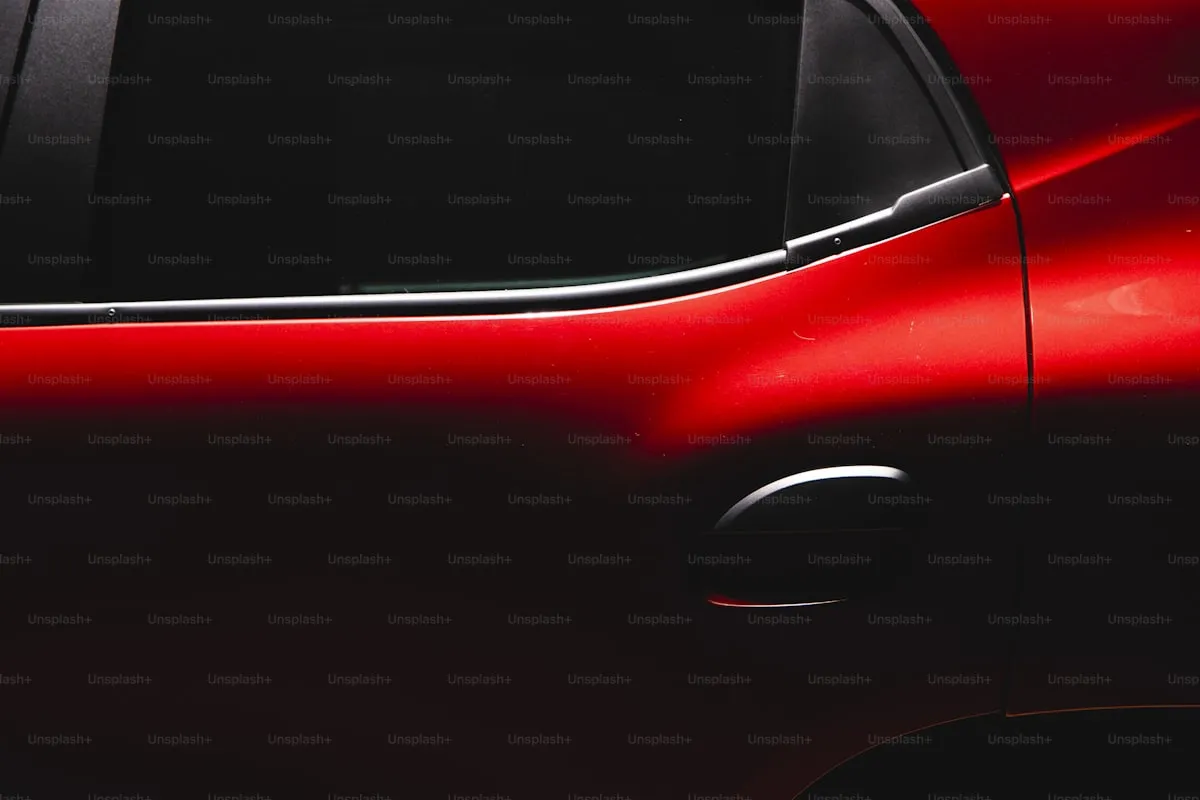
The rocker panel is the structural member running between the front and rear wheel openings at the base of the door opening. On many vehicles it sits close to the road surface and has no natural overhang to deflect spray. On trucks and SUVs with running boards, the boards themselves catch some of the load but the surface behind and beneath them is still exposed. On lower sports cars and sedans the rocker is even more vulnerable because the vehicle sits closer to the road plane and tire spray is directed more forcefully outward.
The lower door area matters because it sits directly behind the front wheel and in front of the rear wheel. Everything the front tire throws rearward travels across the lower front door. Everything the rear tire throws forward can reach the lower rear door. Drivers who park against curbs regularly also score the lower door edge against concrete repeatedly, producing paint removal that looks cosmetic but eventually allows corrosion to begin.
Film selection for lower body coverage
Not all PPF products perform equally on lower body panels. The rocker panel on a modern vehicle is rarely a flat surface. It has sculpted shapes, character lines that run along its length, and transition radii where it meets the door sill or the body side. Film has to conform to those transitions cleanly without lifting at the edges or bridging across concave areas.
EuroLuxe installs UltraFit film, which is manufactured specifically to handle complex conforming requirements. The elasticity and memory characteristics of UltraFit allow the film to be worked around compound curves without introducing tension that would cause edge lifting over time. In a climate-controlled installation bay, the temperature of the panel surface and the film itself can be managed during the installation, which matters more on lower body work than on flat hood surfaces. Cold film on a complex rocker profile will not stretch cleanly, and the results will show it within six months.
For lower body applications, gloss film is standard, but the matte and satin variants available through paint protection film packages are increasingly requested on vehicles where the factory paint is matte or satin. The coverage and protection characteristics are identical. The finish choice depends entirely on matching the existing paint.
Self-healing and maintenance considerations for lower body panels
Self-healing PPF works through a top coat that flows back to a smooth surface under mild heat. On front-end panels exposed to direct sun, the heat needed to trigger the healing response is available almost continuously in a Texas summer. On lower body panels, particularly on the shaded inner sections of rockers, direct solar heating is limited. This does not eliminate the self-healing function but it means healing may require supplemental heat — warm water poured over the surface or a few minutes in direct sun after repositioning the vehicle — rather than happening passively.
Maintenance of lower body PPF follows the same protocols as any other panel: avoid tunnel washes with abrasive brushes, rinse road contamination off after highway driving, and treat the surface with a ceramic-compatible spray after washing. Because lower body panels collect tar and road paint more aggressively than other areas, decontamination should happen more frequently. Tar and adhesive remover products that are safe for film can be used on isolated spots without affecting the film’s integrity or the top coat.
One thing to watch for is edge adhesion at the forward and rearward termination points of rocker film. These are the edges most likely to collect debris and moisture if they are not properly sealed during installation. At EuroLuxe, edge sealing is a standard part of the process, not an add-on. An unsealed film edge on a rocker panel in a high-humidity environment like Houston will begin to lift and allow moisture to work beneath the film within a year.
Planning lower body coverage alongside a broader protection strategy
Lower body PPF works as a standalone investment but produces the best long-term outcome when combined with a coating layer on top. A Gyeon ceramic coating applied over the film gives the surface hydrophobic properties that reduce how aggressively road spray and mud adhere to the lower panels. Because lower body surfaces stay wetter longer than the hood or roof after rain, water spotting and mineral deposits are a specific concern. A coating over the film addresses that.
For owners who are also considering front-end PPF or a full front package, the lower body coverage adds protection to the areas the front package does not address. The two coverage zones complement each other without redundancy. Owners building a phased protection plan often start with the lower body if their vehicle already has some years of exposure, because it addresses the active accumulation happening with every drive before extending coverage to other areas.
If you have questions about what a lower body PPF package involves for your specific vehicle, call EuroLuxe at (936) 292-6056. Caleb Vasquez and the team can assess the current condition of your lower panels, determine whether paint correction is needed first, and give you a clear picture of what coverage makes sense before you commit to anything.
Lower body damage is the kind that builds quietly over years and reveals itself at resale time or when you finally park next to a similar vehicle in better condition. Addressing it with film before the clear coat is compromised is the practical choice, and it is one of the more straightforward investments in the overall protection plan for any vehicle driven daily in North Houston.