Vehicle protection in Gleannloch Farms and the Champions area
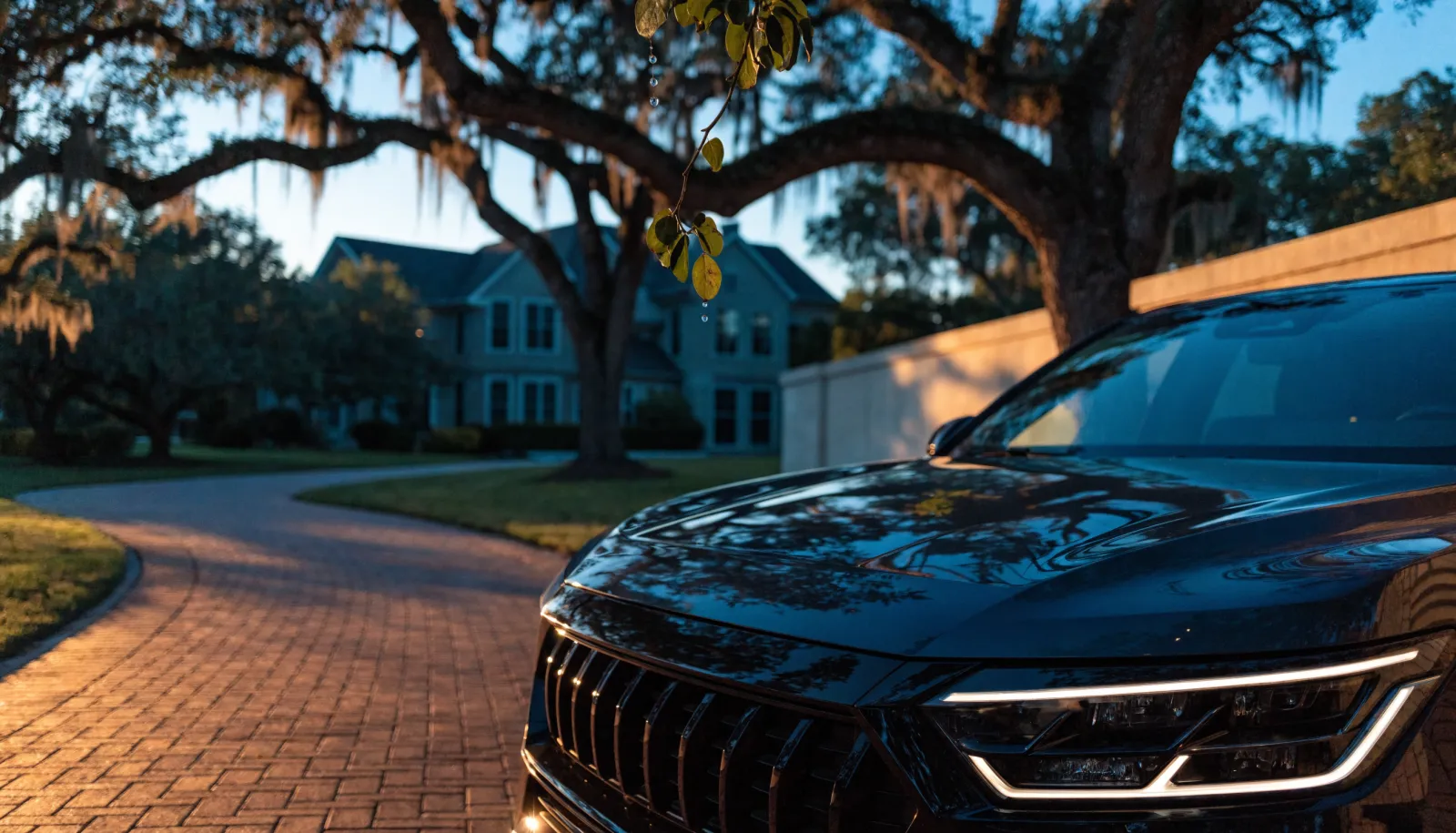
The master-planned neighborhoods clustered around Spring and northwest Houston, from Gleannloch Farms down through the Champions golf corridor and the older Champions Forest streets, share a particular kind of curb appeal. Mature live oaks line the streets, the lots are generous, and many homes back up to greenbelts, water features, or the fairways themselves. It is a setting that does good things for property values and quality of life. It also creates a specific and fairly predictable set of conditions for the vehicles parked in those driveways, and they are not the same conditions a vehicle faces on the open highway.
The threats in these neighborhoods are slower and quieter than rock chips on a toll road, which is exactly why they tend to get overlooked until the damage is visible. Tree canopy, pollen, irrigation, and the daily cycle of a vehicle that lives outside the garage all work on the finish gradually. An owner who keeps a vehicle clean and assumes that is enough can still end up with etched clear coat and embedded contamination, because cleanliness and protection are not the same thing. Understanding the actual local conditions is the place to start.
What the tree canopy does to a finish
The live oaks and pines that make these streets attractive are also a constant source of organic fallout. Tree sap is the most damaging of it. Sap is acidic and, once it lands on a panel and sits in the Texas heat, it bonds to the clear coat and can etch into it within a relatively short window. A vehicle parked under a canopy in Gleannloch Farms collects sap droplets that a vehicle in an open lot never sees, and the longer those droplets bake on, the harder they are to remove without mechanical correction.
Pollen is the seasonal companion to sap. North Houston gets heavy oak and pine pollen in spring, and it settles onto every horizontal surface as a fine yellow film. Pollen on its own is mostly a cleaning nuisance, but it becomes a paint problem when it combines with morning dew or irrigation overspray and is then baked by the sun. The result is a film that bonds to the surface and, if wiped off dry with the wrong towel, drags abrasive particles across the clear coat and leaves swirl marks.
Bird droppings round out the canopy hazards. Trees mean birds, and droppings are among the more aggressive things that can land on automotive paint. The uric acid etches fast in heat, faster than most owners expect, and a dropping left on a hood overnight in summer can leave a permanent mark in the clear coat. For a vehicle that parks under or near trees, this is not an occasional event. It is a recurring one, and the response time matters.
The irrigation problem nobody mentions
Master-planned neighborhoods are landscaped to a standard, and that means automated irrigation running on a schedule across lawns, common areas, and the golf course frontage. Sprinkler systems are not calibrated around where residents park, so a vehicle in a driveway near a property line or close to a common-area zone frequently catches overspray. The water itself is not the issue. What it carries is.
North Houston groundwater and municipal supply both contain dissolved minerals, and when sprinkler overspray dries on a painted surface in the sun, those minerals are left behind as hard water spots. A light case looks like faint rings on the paint and glass. A persistent case, where the same panels get hit day after day, builds up mineral deposits that etch into the clear coat and resist normal washing entirely. Owners in the Champions area sometimes assume these spots are a wax problem or a wash problem, when in fact they are baked-on mineral scale that requires dedicated removal.
Glass takes the worst of it because it is often the most exposed surface and the easiest to ignore. Hard water etching on a windshield or side glass scatters light and is genuinely difficult to reverse once it has set. The practical lesson for anyone parking near an irrigation zone is that overspray is not harmless, and a protected surface sheds it far better than a bare one. A coated finish gives the water far less to grab onto, so it beads and rolls rather than sheeting out and drying into deposits.
Why a protected surface changes the maintenance equation
For the slow, chemical threats that define these neighborhoods, the right tool is a ceramic coating. A coating does not stop a stone, but that is not the threat here. What it does is exactly suited to sap, pollen, droppings, and hard water: it creates a hard, slick, chemically resistant layer on top of the clear coat that keeps contaminants sitting on the surface instead of bonding directly to the paint.
The practical effect is a wider safety margin. When sap or a bird dropping lands on a coated panel, it sits on top of the coating rather than etching straight into the clear coat, which extends the window for safe removal from a matter of hours to something far more forgiving. Pollen and dust rinse off with much less effort because they never get the chance to bond. Hard water beads and runs off rather than sheeting and drying into spots. EuroLuxe installs GYEON MOHS EVO, a 9H coating, and the prep that goes underneath it matters as much as the coating itself, because anything sealed under the coating stays there.
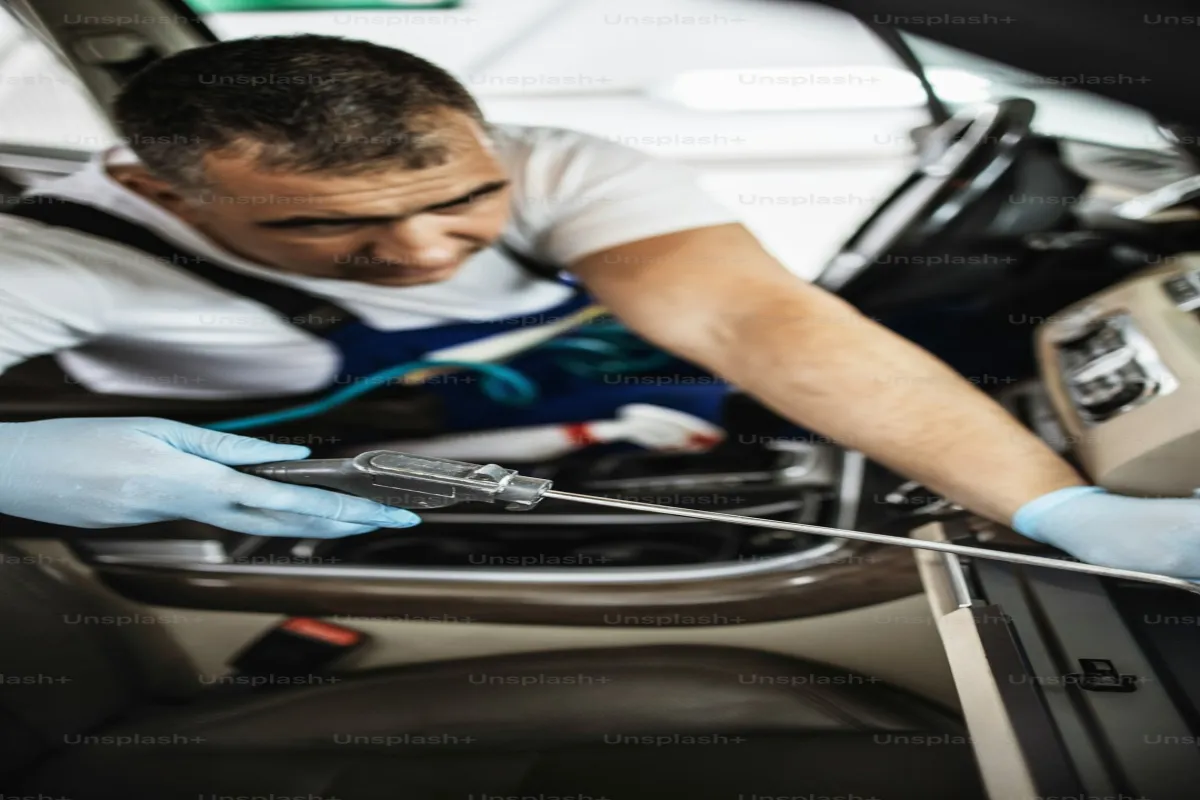
That prep is the part owners do not see and the part that separates a real coating job from a quick one. Before any coating goes down, the paint has to be decontaminated with an iron remover and a clay treatment to pull out embedded fallout, and any swirls or etching that are already present have to be corrected, because the coating will lock in whatever is underneath it. A coating applied over contaminated or swirled paint just preserves the defects under a glossy layer. Done correctly, with the surface properly corrected and decontaminated first, the coating protects a finish that is genuinely clean.
How local owners should think about timing and parking
The single most effective habit in these neighborhoods is using the garage, and most of these homes have one. A vehicle that lives in a garage avoids the canopy fallout, the irrigation overspray, and the UV load entirely, which dramatically slows every form of degradation discussed here. The reality, though, is that many households have more vehicles than covered spaces, and the daily driver often ends up in the driveway by default. That is the vehicle that benefits most from a coating, because it is the one absorbing the local conditions every day.
Timing follows from the same logic. A new vehicle, or one that has just been corrected, is the ideal candidate for a coating because the surface is in its best condition and the coating preserves it from there. For an older vehicle that has spent a few years under the oaks without protection, the path usually involves correction first to remove the accumulated etching and swirls, then the coating over the corrected surface. Either way, the assessment is what determines the order, and it starts with reading what is actually on the paint.
EuroLuxe serves Gleannloch Farms, Champions, Klein, Spring, and the surrounding communities from the Tomball studio, and you can see the full coverage map on the service areas page. A drive over for an honest paint inspection costs nothing and gives an accurate picture of where a given vehicle stands and what it needs.
Closing
The neighborhoods around Champions and Gleannloch Farms are pleasant places to own a vehicle, and they ask something specific of the finish in return. The threats are quiet ones, sap and pollen and overspray rather than highway debris, and they do their damage slowly enough that an owner can miss them until the clear coat is already etched. A properly prepped and coated surface meets those conditions far better than a bare one, and it turns a high-maintenance situation into a manageable one. If you want a clear read on what your vehicle is facing in your particular driveway, call EuroLuxe at (936) 292-6056. The shop is at 11701 Holderrieth Rd in Tomball, and the conversation starts with your specific paint, not a package.