
Auto detailing in Spring, TX: what local drivers should know
Spring, TX sits in one of the fastest-growing corridors in the Houston metro. The stretch from Cypresswood Drive north to Louetta, and east along Spring Cypress Road, has added tens of thousands of households over the past decade, and with that growth has come a lot of new and late-model vehicles that spend serious time on congested roads. That environment — heavy traffic, road debris, summer heat, and the occasional hailstorm — does real, measurable damage to vehicle paint and interiors. Most drivers in Spring know their car looks worse than it did two years ago. Fewer understand exactly why, or what to do about it.
This guide is written for Spring-area vehicle owners who want straight answers about professional detailing, paint protection film, ceramic coating, and window tinting. It is not a product pitch. It is meant to help you understand what your car actually needs based on how you use it and where you live.
Why Spring roads are hard on paint
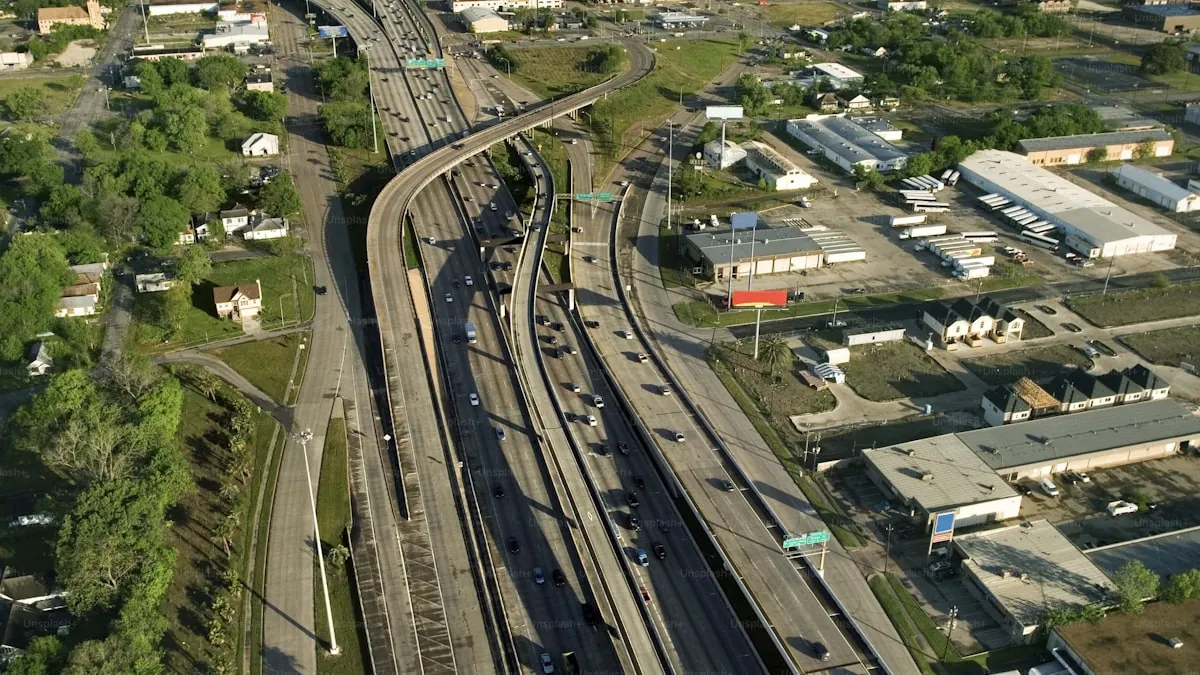
The FM 2920 corridor and the Grand Parkway interchange near Spring feed constant truck and construction traffic through residential streets. Rock chips on the front bumper, hood, and lower fenders are not bad luck on these roads — they are routine. Aggregate and gravel kicked up by 18-wheelers on I-45 and the Hardy Toll Road do the same damage at highway speeds.
Beyond chips, Spring gets the same punishing UV index as the rest of the Houston metro. Clear coat breaks down under sustained ultraviolet exposure. Without a protective layer on top, that degradation shows up first as oxidation on horizontal surfaces — the roof, hood, and trunk lid — and eventually as chalky, flat paint that no wash can fix. Tree cover in older Spring neighborhoods also means more organic contamination: sap, bird droppings, and pollen that sit on paint and etch into clear coat if they are not removed promptly.
None of this is catastrophic if you address it early. The problem is that most vehicles in Spring are driven daily and parked outside, so the accumulation happens gradually and goes unnoticed until it is expensive to correct.
What professional paint correction actually does
A lot of vehicles in Spring that look acceptable in shade look rough in direct sunlight. Swirl marks from automatic tunnel washes, light scratches from improper hand washing, and water spot etching from sprinkler systems all live in the top layer of clear coat. Machine polishing removes a controlled amount of that clear coat to level the surface and eliminate defects that are shallow enough to correct.
The result is not a cosmetic cover-up. It is a physical restoration of the surface, which means gloss and clarity that were not there before. If you have ever had a vehicle that looked great when new and now looks hazy or scratched under certain lighting, paint correction is the process that brings it back.
The important qualifier is that paint correction works within limits. Paint has finite thickness, and every polishing session removes some of it. A professional installer will measure paint thickness before starting and tell you what is correctable and what is not. If a shop skips that measurement, that is a problem.
Ceramic coating for Spring-area daily drivers
For a vehicle that parks outside and gets driven on Spring roads every day, ceramic coating is one of the most practical investments available. A professionally applied coating bonds to the clear coat chemically, creating a hard, hydrophobic surface that sheds water and contaminants far more effectively than bare paint or wax.
In practical terms, that means water beads and rolls off during rain and carwashes, brake dust and road grime do not bond as aggressively to the surface, and UV degradation slows significantly. For a daily driver in Spring that will see 15,000 miles per year in Texas sun, a quality ceramic coating extends the intervals between corrective work and keeps the vehicle looking maintained with less effort.
The coating itself is only as durable as the surface underneath it. Applied over contaminated or defective paint, it will lock those problems in rather than hide them. This is why preparation — decontamination and correction before coating — is not optional. Any professional installer will tell you the same thing.
Paint protection film for vehicles on high-impact routes
If your commute takes you north on I-45 toward The Woodlands or west on 99 toward Cypress regularly, paint protection film deserves serious consideration for the front of your vehicle. PPF is a thick, flexible urethane film that absorbs rock chips and road debris before they reach the paint. It is physically different from ceramic coating: coating adds hardness and chemical resistance, while film adds impact resistance.
Most Spring drivers who commute on high-speed roads benefit most from a full front package — the bumper, hood, fenders, and mirrors. These are the areas that take the most debris at speed, and they are also the most expensive to repaint. A full front PPF installation addresses all of them as a single job.
Beyond impact protection, modern film also carries a self-healing top coat that erases light scratches with heat, and it blocks UV on the surfaces it covers. Stacking film with a ceramic coating over it adds the hydrophobic and chemical resistance properties on top of the physical protection, which is a combination that makes sense for vehicles owners plan to keep long-term.
Window tinting in Spring’s climate
Spring’s summer interior temperatures are not subtle. A dark-colored vehicle parked on asphalt in direct July sun will reach interior temperatures above 150°F within an hour. That heat deteriorates leather and vinyl, fades dashboard materials, and makes the vehicle genuinely uncomfortable to enter mid-day even with air conditioning running.
Ceramic window film blocks a significant portion of solar heat at the glass before it enters the cabin, reducing interior temperature and cutting the load on the air conditioning system. For a family vehicle or a work truck that sits in parking lots during business hours, the difference is noticeable within the first summer.
Texas law sets specific limits on visible light transmission for front side windows and the windshield, so the tint percentage you select has to work within those parameters. A professional shop will walk you through what is legal and what performs best for your specific vehicle and use case before any film goes on.
Choosing where to get the work done
Spring has no shortage of detailing operations, but the range in quality is wide. The things that matter most when evaluating an installer are controlled working conditions, product transparency, and measurable preparation processes. Coating and film applied in a shop with airborne dust, humidity fluctuations, or temperature swings will not adhere or cure correctly. That is not a minor detail — it directly determines how long the product lasts and how it performs.
EuroLuxe Detailing is located at 11701 Holderrieth Rd in Tomball, roughly 15 to 20 minutes from most of Spring depending on traffic. The shop operates a climate-controlled installation bay and uses Gyeon ceramic coatings and UltraFit paint protection film. If you want to discuss your vehicle specifically before committing to a service, you can reach the shop directly at (936) 292-6056.
For Spring drivers who want a clearer picture of what protection their vehicle actually needs based on age, condition, and use, a conversation before booking is usually more useful than picking a package from a website. The right service depends on what the paint looks like now and what you are trying to achieve.
The vehicles coming off Spring’s roads every evening are dealing with conditions that accelerate paint degradation faster than most owners realize. Addressing that early — with correction, coating, film, or some combination — is almost always less expensive than dealing with oxidation, chips, or etching after they have progressed.