What the Grand Parkway commute does to your paint, and how to protect it
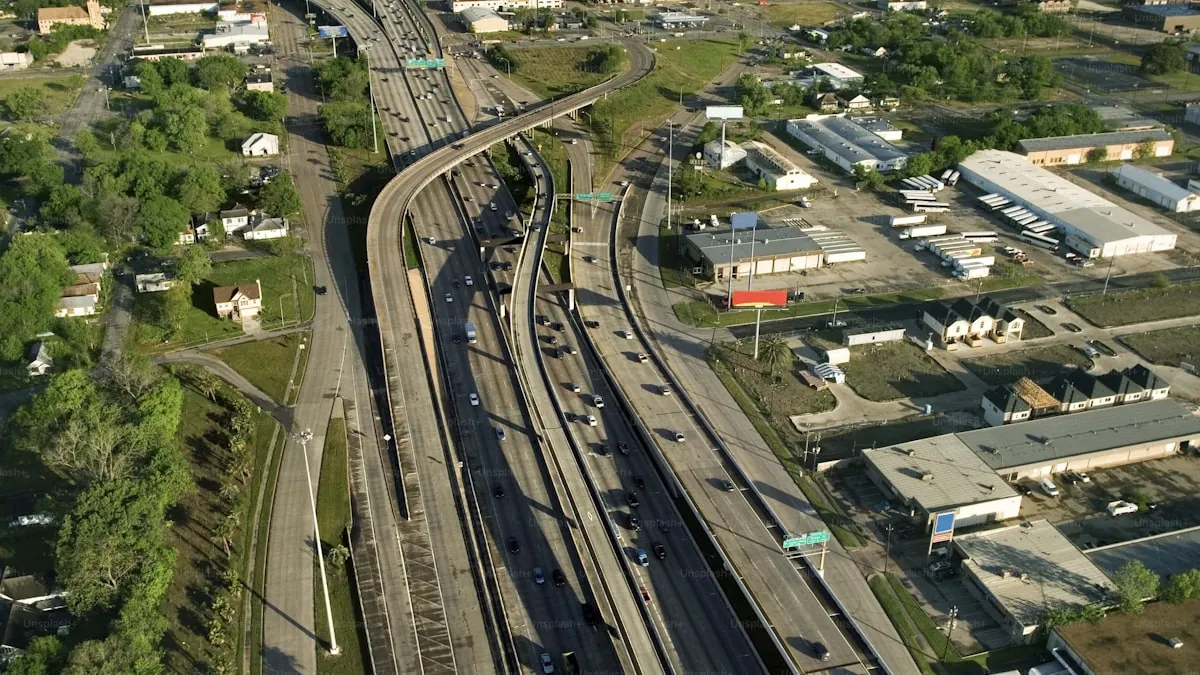
If you live anywhere along the northern arc of the Grand Parkway, the 99 toll road is probably part of your daily life. It connects Cypress to Tomball to Spring without forcing you down into the older surface streets, and for a commuter that is a real convenience. The tradeoff is that the same stretch of road that saves you twenty minutes is also one of the harder environments in North Houston for the front of your vehicle. The combination of sustained highway speed, ongoing construction, and a roadway that is still maturing in places adds up to a steady load of impact damage that most owners do not connect to the commute until the hood already shows it.
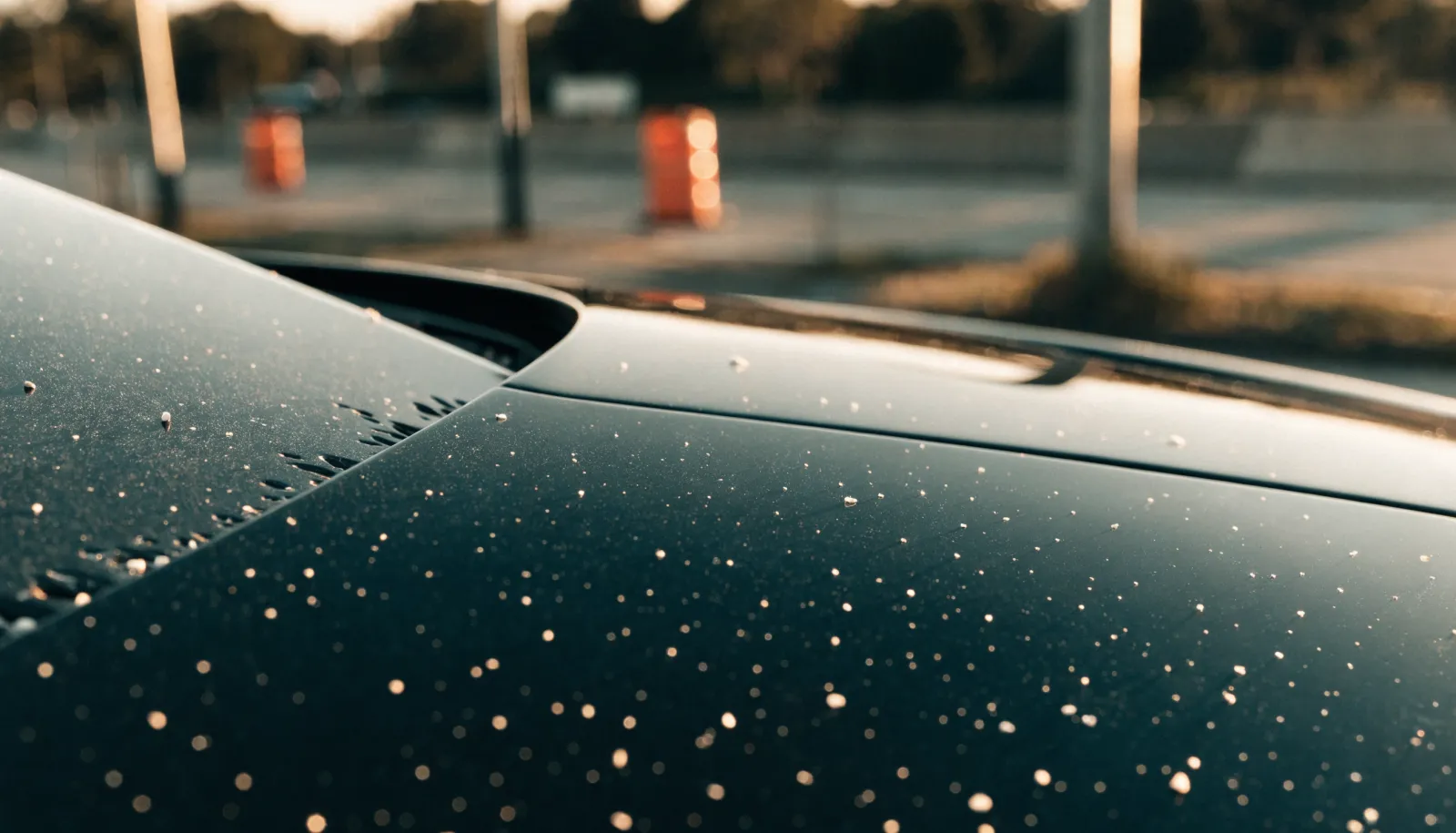
The reason the Grand Parkway is tougher than it looks comes down to how the damage accumulates. A single rock chip is not a crisis. The problem is that the corridor delivers chips at a rate that a low-speed neighborhood drive never will, day after day, and the leading edges of the vehicle take all of it. By the time a Cypress or Spring owner notices the front bumper and hood looking sandblasted in direct sunlight, the finish has absorbed months of cumulative hits. Understanding what the road is actually doing is the first step to deciding whether it is worth defending against.
Why highway speed multiplies the damage
Rock chip damage is governed by physics, and speed is the variable that matters most. A small stone kicked up by the vehicle ahead of you carries energy proportional to the square of the closing speed. At neighborhood speeds that stone might bounce off the bumper harmlessly. At the 70-plus miles per hour that the 99 mainlanes invite, the same stone hits with several times the energy and has a real chance of chipping through the clear coat and into the color coat beneath.
The Grand Parkway is built for that speed. Long uninterrupted runs between interchanges mean drivers settle into a fast cruise and hold it, which is exactly the condition that turns ordinary road debris into paint damage. The front bumper, the leading edge of the hood, the lower fenders, and the mirror caps face directly into the airflow and catch the bulk of whatever the tires ahead throw back. These are the same panels that an installer sees damaged again and again on vehicles that run this corridor daily.
There is also a following-distance reality on a busy toll road. During the morning and evening peaks, traffic compresses and you end up closer to the vehicle ahead than you would choose. The closer you are, the less time debris has to fall back to the pavement before it reaches you, and the more of it arrives at windshield and hood height. A fast road with heavy commuter density is a worse combination for paint than either condition alone.
The construction factor that does not go away
The Grand Parkway has been under continuous expansion and improvement for years, and the segments through the northwest quadrant are no exception. Construction zones are their own category of paint hazard. Loose aggregate gets tracked onto the active lanes by equipment and by other vehicles, temporary surfaces shed gravel, and the fresh chip seal and milled pavement common to work zones throw far more material than a finished roadway does.
What makes construction debris particularly bad is the size and shape of the particles. Finished highway debris tends to be small and rounded. Work-zone material includes angular gravel, chunks of base rock, and the occasional larger piece that has no business being at speed. Angular stones concentrate their energy on a sharp point of contact, which is exactly what punches a clean chip rather than leaving a harmless mark. A driver running the 99 through an active segment near Cypress or Tomball is collecting hits that a finished road simply would not deliver.
The other issue is that construction zones move. A clear stretch this month becomes a work zone next month as the project shifts, so there is no reliable way to plan a route around it for the long term. For a daily commuter, the practical conclusion is that the corridor will keep generating impact damage as long as the work continues, which is to say for the foreseeable future.
What actually stops chips at speed
Wax and sealant do nothing against impact. Neither does a ceramic coating, despite what some marketing implies. A coating is a thin, hard chemical layer that resists chemical etching and makes the surface easier to clean, and it is genuinely useful for that, but it is microns thick and cannot absorb the energy of a stone at highway speed. For impact, the only real answer is a physical barrier with enough thickness and elasticity to take the hit on behalf of the paint.
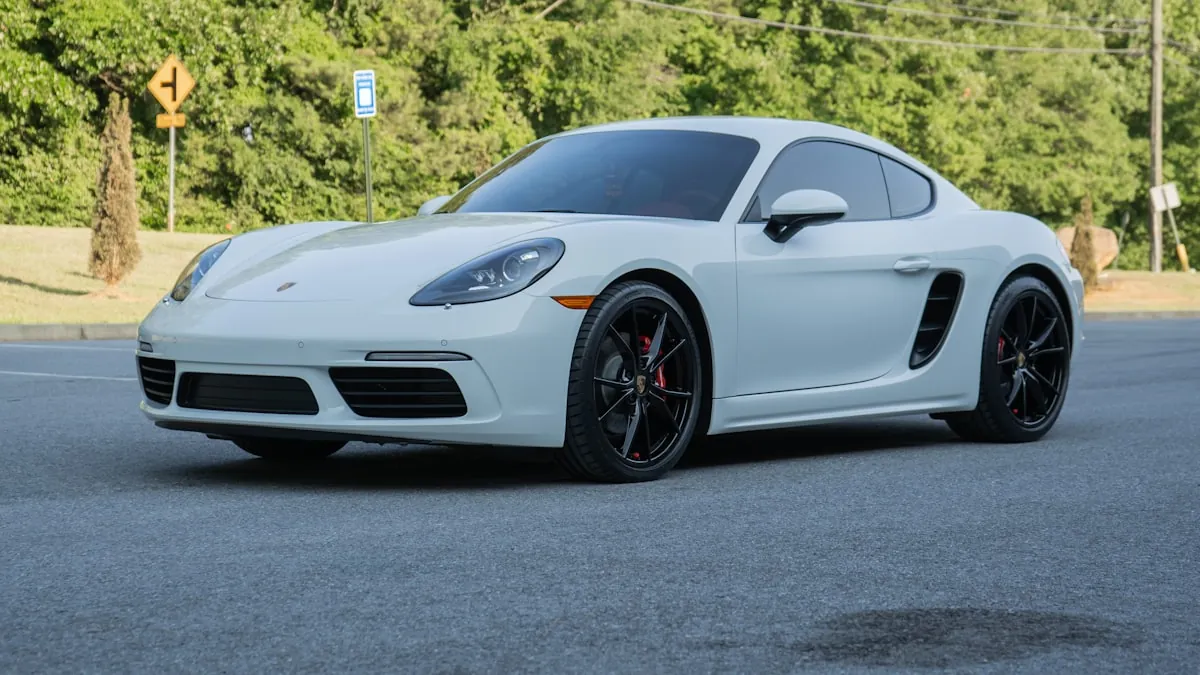
That barrier is paint protection film. A quality urethane film is several times thicker than a coating and engineered to flex and absorb impact, so a stone that would have chipped the clear coat instead strikes the film and is dispersed. The film carries the damage; the paint underneath stays intact. For a vehicle that runs the Grand Parkway daily, the front-end panels are the obvious priority: the full hood, the front bumper, the fenders ahead of the doors, and the mirror caps. EuroLuxe installs UltraFit film, and the coverage decision comes down to how much of the leading surface an owner wants defended versus the budget for the work.
A common and sensible approach is to film the high-impact front zones and then apply a ceramic coating over the entire vehicle, including over the film. The film handles the rock chips on the panels that face forward, and the coating handles UV resistance, contamination, and cleaning ease everywhere else. Each layer does the job it is actually good at, and together they cover the threats a commuter corridor presents without paying for protection that does not match the risk.
When the timing makes sense
The best time to film a front end is before it accumulates damage, not after. Film protects the paint that exists underneath it, so installing over a hood that already has dozens of chips simply seals the existing damage in place. On a new vehicle, or one that has recently been corrected, film goes onto a clean surface and the paint stays in the condition it was in on day one. For a driver who has just bought a vehicle and knows the Grand Parkway is in their daily future, getting the front end filmed early is the version of this that pays off most clearly.
For a vehicle that has already been running the corridor for a year or two, the calculus is different but the protection still matters. An installer will assess whether the front end needs correction first to address the existing chips and swirls, then film over the corrected surface. That is a larger project than filming a new vehicle, but it stops the accumulation from getting worse and protects whatever value remains in the paint. The wrong move is to keep driving an unprotected front end on a fast, debris-heavy road and absorb the damage indefinitely, because the repaint that eventually becomes necessary costs far more than the film would have.
If you are not sure which category your vehicle falls into, an in-person assessment settles it quickly. You can see the full set of North Houston communities the studio serves on the service areas page, and the Tomball location sits close to the 99 and 249 junction, which makes it an easy stop for anyone already commuting through the area.
Closing
The Grand Parkway is one of the best things to happen to commuting in northwest Houston, and it is also one of the steadier sources of front-end paint damage in the region. The two facts coexist. A driver who uses the 99 daily is going to collect rock chips whether or not they think about it, and the only question is whether the paint takes the hits or a layer of film takes them instead. If you want a straight assessment of what your front end is facing and what protection fits the way you actually drive, call EuroLuxe at (936) 292-6056. The shop is at 11701 Holderrieth Rd in Tomball, a few minutes off the corridor, and the conversation starts with your specific vehicle and route rather than a package menu.