
Houston Spring Break Traffic: How Highway Debris Damages Your Paint (and What to Do About It)
Houston’s Busiest Driving Season Is Also Its Most Destructive
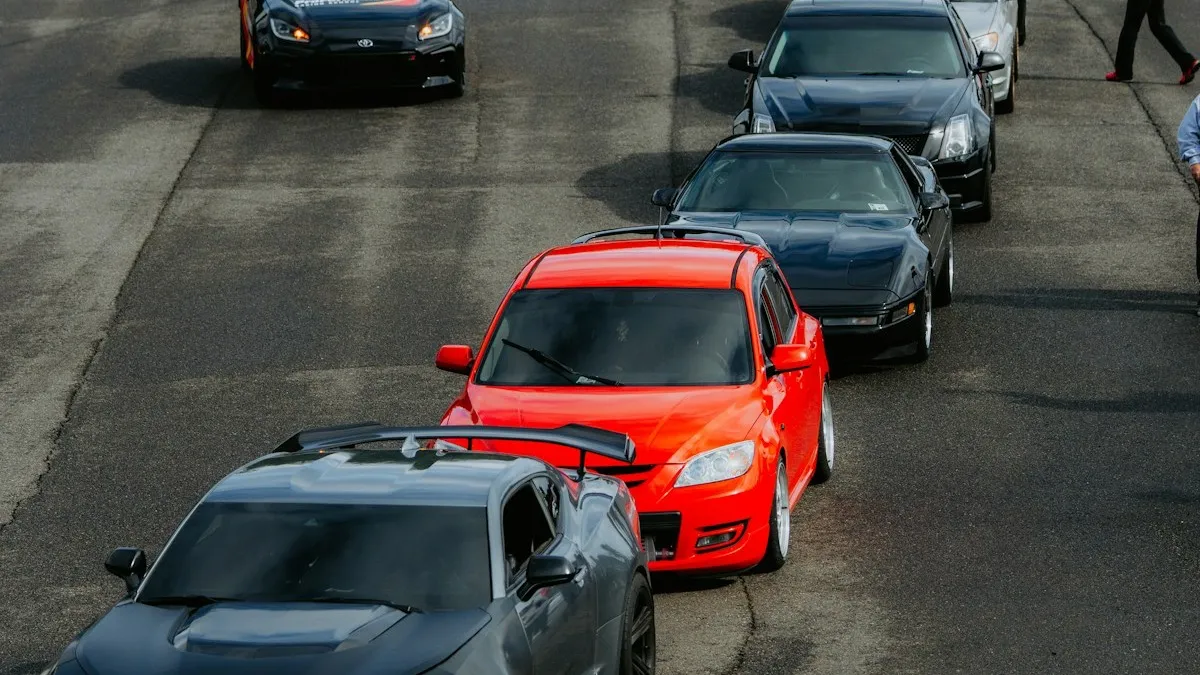
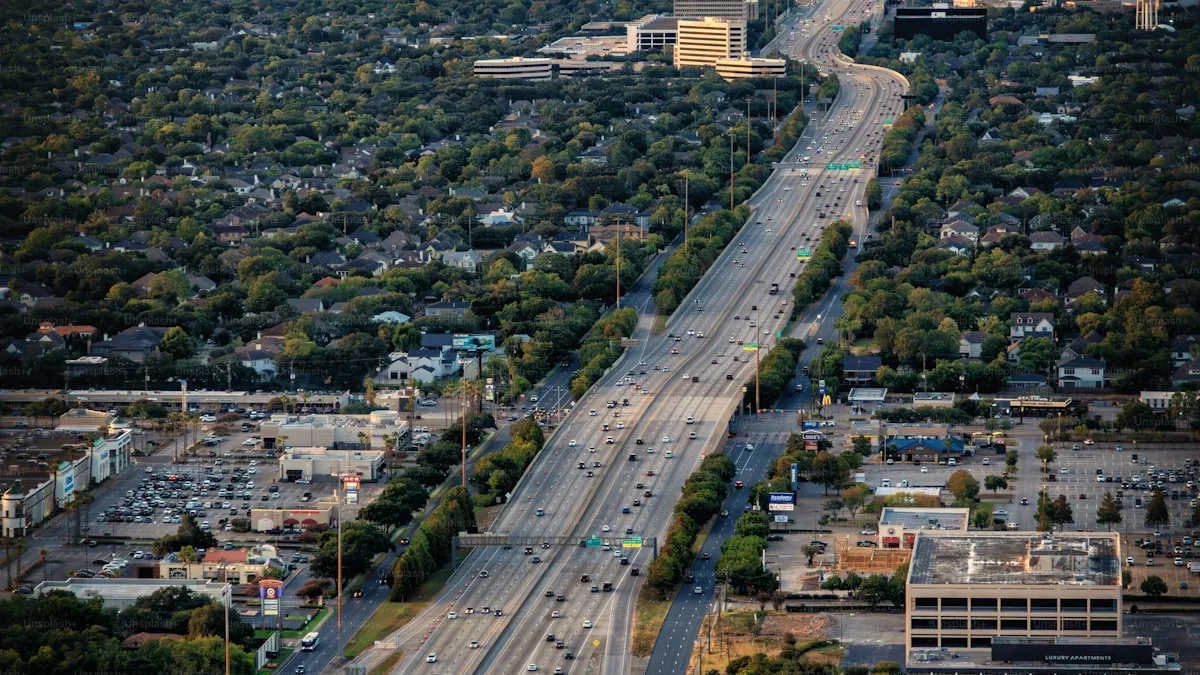
Spring break 2026 has pushed Houston into the national spotlight. The city has become a fast-growing destination for visitors chasing car culture events, nightlife, and large-scale gatherings that stretch across the metro. That translates directly into volume on the highways — more rental cars, more out-of-town drivers unfamiliar with the routes, and more commercial vehicles servicing events and venues across Harris and Montgomery counties.
Add the annual ramp-up of TxDOT spring construction projects across North Houston, and you have the worst conditions for vehicle paint that the region produces all year. The deadly US-90 crash on March 16 that killed three people is a stark reminder of how intense traffic conditions have become during this window. More vehicles at higher density on roads that are actively being resurfaced is a formula for accelerated paint damage on any vehicle that drives them regularly.
This is peak rock chip season. If your daily driving puts you anywhere near 249, 290, 99, or I-45, your paint is taking hits right now.
The Highways That Are Doing the Most Damage
Not every route carries the same risk. North Houston has several corridors that are significantly more hazardous for your front end during spring break season.
Route 249 (Tomball Parkway) has been under expansion and surface work for years. Fresh asphalt patching and shoulder construction leave loose aggregate on the road surface that gets kicked backward at highway speed by every vehicle ahead of you. Commuters running 249 between Tomball and the Beltway daily are accumulating chip exposure at a rate that shows up visibly on unprotected hoods within weeks.
US-290 carries some of the heaviest commercial truck traffic in the Houston metro. Eighteen-wheelers churn loose material out of every road imperfection, and the debris cloud behind a loaded flatbed at 65 miles per hour is punishing on the vehicles that follow. Spring break adds recreational traffic on top of the existing commercial load.
Grand Parkway (99) and I-45 North are both active construction corridors with ongoing surface work. The Grand Parkway expansion zones between Tomball and The Woodlands are particularly aggressive right now, with fresh aggregate on the roadway and reduced lanes funneling traffic into tighter patterns where debris concentration increases.
Local routes are not immune either. The Classic Car Meet-Up on Fry Road this Friday and the Tomball Lions Club Car Show on Saturday are pulling car enthusiasts from across the region into surface streets that see construction traffic and gravel runoff from adjacent development projects. Even a short drive through a construction zone at 45 miles per hour puts your paint at risk.
What Highway Debris Actually Does to Your Paint
A piece of loose gravel at 70 miles per hour delivers enough kinetic energy on impact to penetrate through your clear coat and into the primer layer underneath. That is not a cosmetic scratch. That is a breach in the protective layer system that your factory paint relies on to resist the elements.
Rock chips are the most obvious threat, but they are not the only one. Spring break traffic creates three distinct categories of paint damage.
Physical impact damage. Gravel, road debris, and construction material strike the leading surfaces of your vehicle — hood, front bumper, fenders, mirrors, and headlights. Each impact either chips the clear coat or creates a micro-fracture that weakens it for the next hit. The damage is cumulative. Ten small chips in March become twenty by May, and every one of them is a point where moisture and oxygen can reach bare metal.
Chemical damage from biological debris. More vehicles on the road at higher temperatures means more bug splatter on your front end. Insect remains are acidic and begin etching clear coat within hours if left in the sun. Bird droppings are similarly corrosive, with uric acid concentrations strong enough to leave permanent marks in clear coat after a single day of sun exposure. Road tar kicked up from fresh asphalt work bonds to paint and requires chemical removal that stresses the clear coat.
Accelerated oxidation. Every chip in your clear coat is an entry point. Houston’s humidity and spring rain cycles push moisture into those breach points, and the underlying paint and primer begin oxidizing immediately. On vehicles with metallic paint, this process shows as small rust spots around chip sites within months. On lighter colors, the oxidation darkens the chip area and makes it more visible over time.
The Hidden Cost of Doing Nothing
The instinct is to ignore small chips because they look minor. A single chip is a pinhead-sized mark. But the cost curve on chip damage is exponential, not linear.
A professional color-matched touch-up on a single chip runs $150 to $300 on a newer vehicle. A panel repaint — the correct fix once chips have started to oxidize — costs $500 to $1,200 per panel at a reputable body shop, more on metallic, pearl, or tri-coat finishes. A truck hood with thirty chips that have been accumulating for two construction seasons is not a touch-up job. It is a repaint.
Resale impact compounds the problem. A vehicle with visible chip damage on the hood and bumper gets categorized as higher-wear by dealers and private buyers immediately. On a three-year-old truck worth $45,000, front-end chip damage is a $1,000 to $2,000 negotiating point before any other inspection begins. The damage you ignored for two years just cost you more than the protection would have.
How PPF Stops the Damage Before It Starts
Paint protection film is a clear, self-healing urethane layer that absorbs physical impacts so your paint does not have to. When a piece of gravel hits film at highway speed, the energy is distributed across the film layer and absorbed. The paint underneath sees nothing — no chip, no breach, no oxidation pathway.
UltraFit’s self-healing film goes a step further. Light scratches and scuffs in the film surface heal themselves when exposed to heat, which means the film itself maintains a clean appearance through months of highway driving without needing correction. The film takes the punishment. Your paint stays factory-fresh underneath.
For North Houston drivers running construction corridors daily, a full front installation covering the hood, fenders, bumper, mirrors, and headlights eliminates the highest-frequency impact zones. Every chip that would have landed on your clear coat from now through October lands on the film instead.
Where Ceramic Coating Fits In
Ceramic coating does not stop rock chips. No coating can absorb the kinetic energy of gravel at highway speed. What ceramic coating does is protect every painted surface on your vehicle from the chemical and environmental damage that intensifies during spring break season.
Bug splatter that would etch unprotected clear coat in hours washes off a ceramic-coated surface with a rinse. Bird droppings, tree sap, and road tar release from the hydrophobic surface layer without the aggressive chemical stripping that damages untreated paint. UV exposure that fades and oxidizes clear coat over Texas summers is blocked by the coating’s chemical bond layer.
The strongest protection setup pairs PPF on high-impact panels with ceramic coating across the entire vehicle. The film handles physical protection. The coating handles chemical and UV defense. Together, they cover every category of damage that spring break traffic throws at your vehicle.
What to Do If You Already Have Chips
If your paint has already taken hits this season — and if you have been driving 249 or 290 regularly, it almost certainly has — the right move is to address the existing damage before it compounds further.
Paint correction removes surface-level contamination, light scratches, and oxidation around chip sites. For chips that have not yet started to rust, correction followed by film installation locks in the repair and prevents any future damage from reaching the same areas. For chips that have started to oxidize, the compromised areas need treatment before film goes over them.
The longer you wait, the more the existing damage progresses. Chips that are clean and dry today will have moisture intrusion after the next rain cycle. Getting ahead of the oxidation curve is the difference between a correction appointment and a body shop repaint.
Book Now While Spring Schedules Are Open
Shop availability in North Houston tightens significantly from late April through summer. The combination of new vehicle purchases, pre-road-trip protection requests, and the steady accumulation of spring damage that drivers finally decide to address creates demand that fills schedules weeks out.
March is the window. Your paint is in the best condition it will be in for the rest of the year — every week of unprotected highway driving adds damage that film will cover but cannot reverse. Installing now means every chip from spring break traffic forward lands on film instead of your clear coat.
Request a free quote and our team will assess your paint condition, recommend the coverage that fits your vehicle and driving patterns, and get you scheduled before the spring rush fills available slots.