Spring Rock Chip Season in North Houston: Why April Is the Worst Month for Unprotected Paint
March is officially over. If you drove in North Houston this past week, you already know what that means — construction crews are back in force on I-45, US-290, and the Grand Parkway, and the debris on those roads reflects it.
April through June is historically the highest rock chip period for vehicles in the North Houston area. It’s not random. There are specific, predictable reasons why spring is when paint damage accelerates — and understanding them helps you decide whether paint protection film is the right investment before the worst of it arrives.
Why Spring Is Rock Chip Season Here
Construction resumes at full pace. The North Houston corridor runs some of the most active highway construction in the state. US-290, the Grand Parkway SH-99 expansion segments, I-45 North, and Highway 249 through Tomball all operate on construction schedules that ramp down slightly in cold months and hit full intensity in spring. More active construction means more loose aggregate, concrete debris, and gravel tracked onto active lanes. The vehicles in front of you become projectile delivery systems.
School zone and commuter traffic increases. Spring semester is fully underway, after-school activities resume, and commuter volumes spike. More vehicles on the road means more material kicked up by more tires at higher cumulative speeds. A pebble launched by an 18-wheeler at 70 mph delivers force that can penetrate your clear coat in a fraction of a second.
Hail season begins. March through May is North Houston’s peak hail window. While hail damage is in a different category from rock chips — PPF provides some protection against smaller hailstones but is not a hail guarantee — spring weather systems in the Gulf Coast region produce hail events with little warning. Vehicles parked outside during these events without protection absorb the full impact.
Temperature swings stress paint. North Houston April temperatures swing 30 to 40 degrees between morning and afternoon. These thermal cycles expand and contract your vehicle’s metal panels, which stresses any existing microcracking in the clear coat. Existing small chips that looked stable in winter can widen and develop into rust initiation points when spring temperature cycling begins.
What a Rock Chip Actually Costs
The most common argument against PPF installation is the upfront cost. That argument deserves honest math.
A single rock chip repair on a modern vehicle runs $75 to $150 at a body shop if it is caught early and confined to the clear coat. A chip that reaches the base coat and develops micro-rust before repair runs $300 to $600 per panel for spot painting, including blending to neighboring panels. A front bumper full respray on a newer vehicle — common after a full season of highway chip accumulation — runs $800 to $1,800 depending on the vehicle and the shop.
A partial front PPF installation at EuroLuxe covering the hood leading edge, front bumper, and fenders runs $900 to $1,300 and lasts 7 to 10 years. A full front end covering everything — hood, bumper, fenders, mirrors, headlights, and A-pillars — runs $1,700 to $2,100.
The math is straightforward for anyone driving on North Houston highways daily. One bumper respray pays for the partial front package. Two seasons of spot repairs pay for the full front.
The New Car Timing Window
There is a specific window after purchasing a new vehicle when PPF makes the most sense — and it is closing faster than most owners realize.
When a new vehicle leaves the factory, the paint is at its best condition. Zero rock chips. No existing repairs. No paint thickness reduction from correction work. This is the ideal installation moment for paint protection film for two reasons.
First, PPF adheres best to clean, defect-free factory paint. The adhesive creates a stronger, more consistent bond when the underlying surface is uniform. Second, the film seals in that factory condition permanently. A vehicle with 7-year-old PPF that is removed at trade-in will reveal factory-original paint in the condition it was in the day the film was installed. That condition directly influences appraiser and buyer assessments.
Every month after purchase is a month where chips can accumulate, UV exposure begins degrading the clear coat, and the window where PPF seals in factory condition narrows. Vehicles bought in January and February are hitting their first spring construction season right now. The ideal installation window is before that first spring exposure, not after the first season of damage has already occurred.
If you bought a vehicle in the last 90 days and have not yet had PPF installed, this week is not too late — but the season has started.
Color PPF: The 2026 Category Shift
One trend worth noting for anyone evaluating PPF in 2026: color-change PPF has moved from a niche specialty into a legitimate mainstream option.
Color PPF delivers full paint protection performance — same TPU construction, same self-healing properties, same 10-year warranty coverage — while simultaneously transforming your vehicle’s appearance. The color is baked into the film, not a surface coating that can wear away. A vehicle wrapped in color PPF has factory paint preserved beneath it and a new exterior color on top, both protected simultaneously.
The economic logic is compelling compared to traditional repaints. A professional repaint runs $3,000 to $8,000 for a full vehicle at a quality body shop, offers no rock chip protection, and typically voids factory paint warranty considerations. Color PPF at comparable cost level delivers the color change with full protection and full reversibility — remove the film years later and factory paint is exactly as it was installed.
At EuroLuxe, we install UltraFit’s full XP color lineup including the Aurora color-shift series. If you want to see what color options look like on your specific vehicle, our consultation process includes a visual walkthrough of the full palette. Read our complete UltraFit USA product guide for the full breakdown of every film option.
Prioritizing Coverage When Budget Is a Constraint
Not every vehicle owner can or should do full-body PPF. For most daily drivers in North Houston, the prioritized approach delivers the best value:
Highest priority — front bumper and hood leading edge. These panels absorb the majority of highway rock chip impact. The front bumper is the single most expensive panel to respray on most modern vehicles due to complex geometry and sensor integration. The hood leading edge takes the highest velocity impacts from debris thrown by forward traffic. These two areas alone address 70% of typical rock chip exposure.
Second priority — full hood, front fenders, mirrors. Expanding coverage to the full hood and fenders protects the largest painted surfaces on the front of the vehicle. Mirrors take constant debris from all directions. This coverage level — a full front PPF package — is the most popular installation at EuroLuxe and the best balance of cost and protection for highway commuters.
Third priority — rocker panels. Trucks, SUVs, and vehicles with lower ground clearance accumulate significant damage along the lower body panels from tire spray and road debris. Rocker panel PPF is a cost-effective addition that addresses an area that is otherwise expensive and difficult to repaint cleanly due to body line geometry.
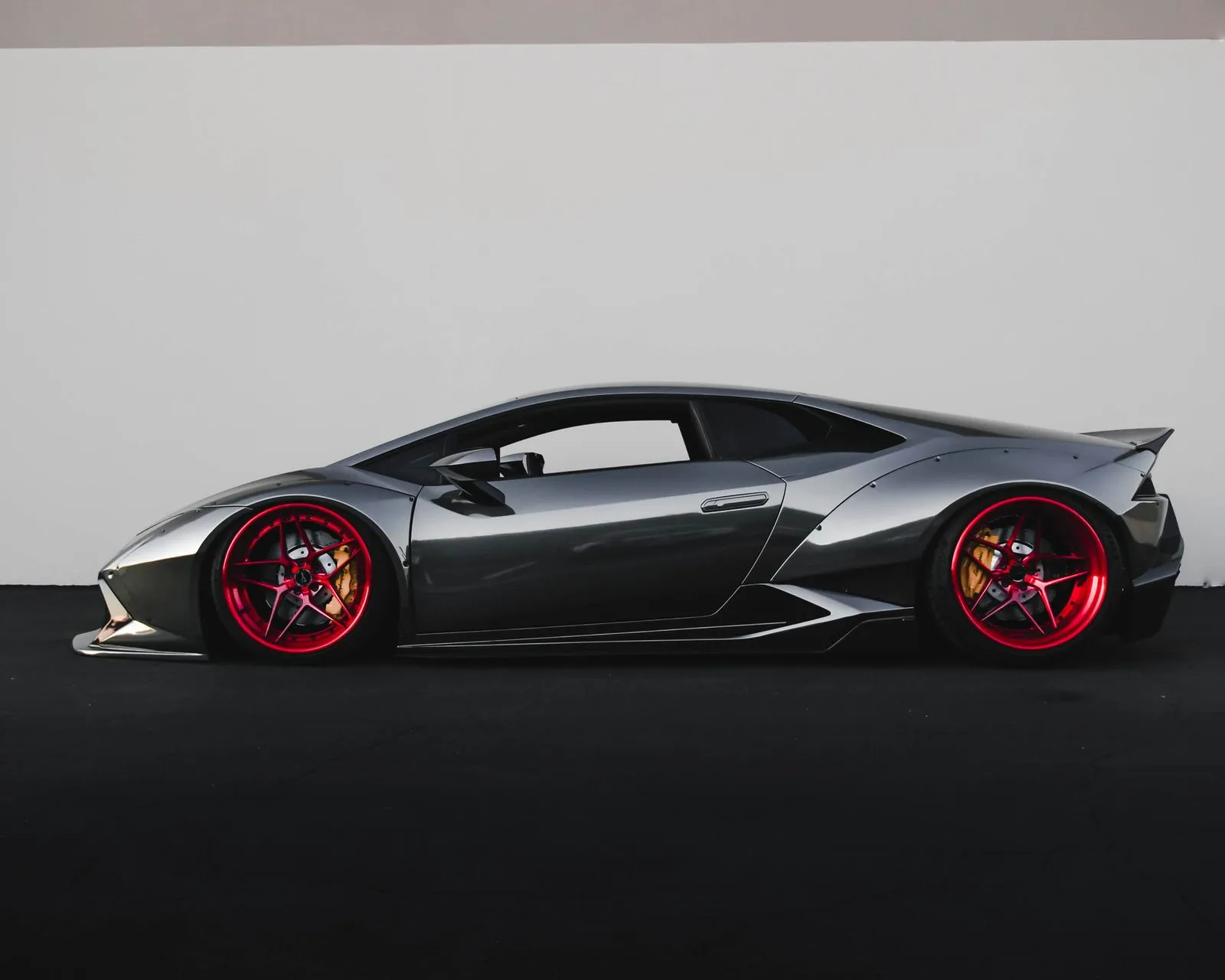
Full vehicle — best for new vehicle purchases, exotic and luxury vehicles, vehicles you plan to keep for 10+ years, or color-change installations.
If you’re not sure which coverage level makes sense for your specific vehicle and driving patterns, our consultation process starts with an honest assessment — not a push toward the most expensive option.
What Happens If You Wait
The hesitation most vehicle owners feel before booking PPF is understandable. It is a real investment, the timing never feels perfect, and the damage it prevents is invisible by definition — you never see the chips that didn’t happen.
But paint damage is cumulative and largely irreversible. A vehicle that goes through one full North Houston spring construction season unprotected will have chips that need to be addressed before PPF can be installed. Paint correction before PPF adds cost and time to the installation. More importantly, existing chips — even touched up ones — are visible under PPF film. The factory condition that PPF was designed to preserve is no longer factory condition.
The installation window where you are protecting original paint is now. Spring construction season started this week.
Get a quote and we’ll schedule you before the worst of the construction season hits.