
How Rain and Hard Water Affect Ceramic Coated Cars
The Water Spot Problem Nobody Warns You About
You spent $1,500 on a professional ceramic coating. Your car looked incredible for the first month. Then Houston’s summer rain season hit, and suddenly you’re staring at water spots on a surface that’s supposed to repel water.
This isn’t a coating failure. It’s chemistry, and understanding it will save you a lot of frustration.
Hydrophobic Doesn’t Mean Stain-Proof
ceramic coating creates a hydrophobic surface — water beads up and rolls off instead of sheeting across the paint. This looks impressive and it does reduce how much water sits on your car. But hydrophobic behavior and stain resistance are two different things.
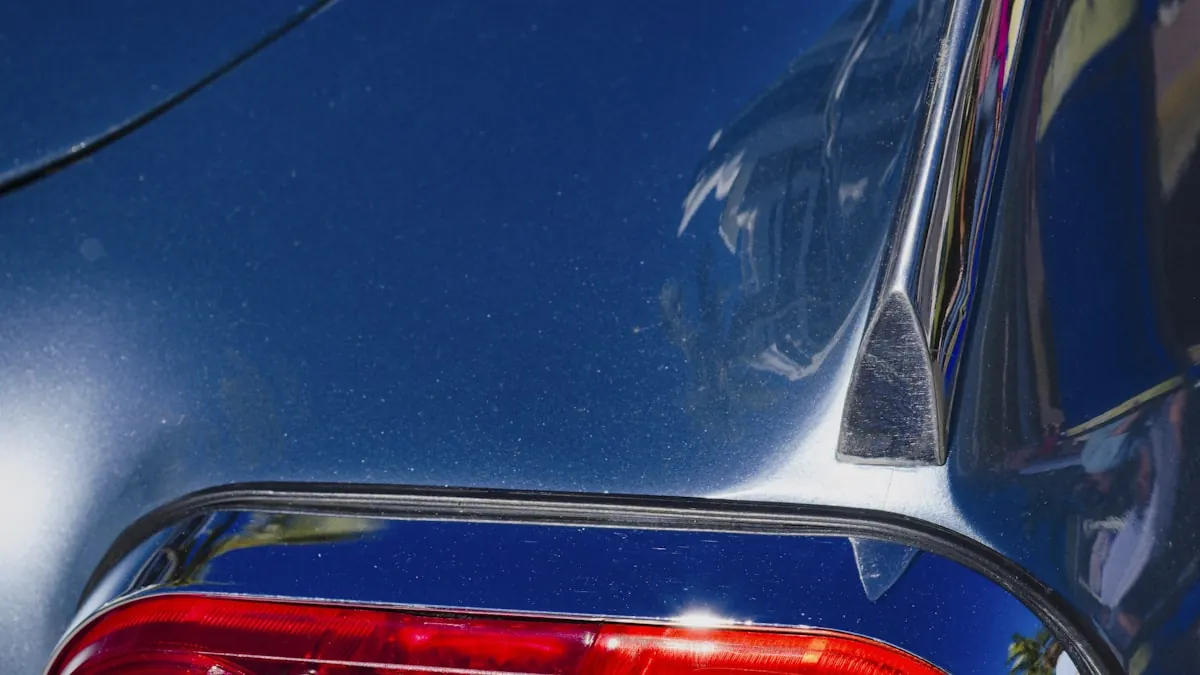
When water beads on your hood and evaporates in Houston’s 95-degree heat, it leaves behind whatever minerals were dissolved in it. Those minerals — primarily calcium, magnesium, and silica — form the white spots you see after rain or sprinkler exposure.
The coating itself isn’t damaged by this process. The mineral deposits sit on top of the coating surface. But if they’re left long enough, those minerals can etch into the coating layer, and eventually through it into the clear coat.
Houston’s Hard Water Is Especially Aggressive
Houston’s municipal water supply is moderately hard — around 120-180 ppm of dissolved minerals depending on your neighborhood. That’s enough to leave visible deposits after evaporation.
But the real problem for car owners in Tomball, The Woodlands, and Spring isn’t tap water. It’s:
- Sprinkler overspray — Lawn irrigation systems spray mineral-rich well water onto driveways and parked cars. Well water in the North Houston area often exceeds 300 ppm hardness.
- Rain with atmospheric contaminants — Houston rain carries industrial pollutants, construction dust, and refinery particulates. When it evaporates, it leaves more than just minerals behind.
- Standing water in parking lots — Water that pools around your car picks up additional contaminants from the asphalt and concentrates them as it evaporates against your lower panels.
This combination means that a coated car parked outside in the Houston area will develop water spots faster than the same car in a city with soft water and clean air.
What’s Actually Happening to Your Coating
There are two types of water spots, and the distinction matters:
Type I: Surface Mineral Deposits
These are the white, chalky spots that sit on top of the coating. They haven’t bonded chemically — they’re just mineral residue. A proper wash with a dedicated water spot remover (slightly acidic, around pH 3-4) will remove them without affecting the coating.
This is what you’ll deal with 90% of the time. Regular maintenance washes prevent these from becoming a problem.
Type II: Etched Mineral Damage
When mineral deposits sit on the coating in direct sunlight and heat for extended periods (days to weeks), the minerals can etch into the coating surface. The heat accelerates a chemical reaction between the alkaline minerals and the coating.
At this stage, a simple wash won’t remove them. You’ll need a light polish or a dedicated ceramic coating maintenance product to level the affected area. If caught early, the coating is thick enough to absorb this without compromising protection. If ignored for months, the etching can penetrate through the coating into the clear coat — and now you need paint correction.
How to Protect Your Coating After Rain
Rinse Within 24-48 Hours
The single most effective thing you can do is rinse your car with clean water after it rains. You don’t need soap. You don’t need to dry it by hand (though that helps). Just knock the contaminated water off before it evaporates and deposits minerals.
If you have a coated car and a garage, pull it in after rain. The shade prevents rapid evaporation, giving you time to rinse when convenient.
Use the Right Wash Products
Standard car wash soap is pH-neutral (around 7). That’s fine for regular dirt but won’t dissolve mineral deposits. For a coated car in hard water areas, alternate between your regular pH-neutral wash and an occasional wash with a mildly acidic shampoo designed for coated vehicles.
Do not use vinegar, acidic wheel cleaners, or household cleaning products. They’re too aggressive and will degrade the coating’s hydrophobic layer.
Avoid Sprinkler Exposure
If your car sits in a driveway that gets hit by lawn sprinklers, either adjust the sprinkler heads or park somewhere else. Well water sprinkler deposits are the number one cause of water spot complaints on coated vehicles in suburban Houston.
This is a simple fix that prevents a recurring problem.
Maintain the Hydrophobic Layer
Ceramic coating’s water-beading properties diminish gradually over time. As they fade, water sheets instead of beading, which means more surface contact and more mineral deposition.
Most professional ceramic coatings have companion maintenance sprays or toppers that refresh the hydrophobic layer. Using these every 3-6 months keeps the beading behavior strong and reduces water spot formation.
Garage vs. Outdoor: The Realistic Difference
A ceramic coated car stored in a garage will look better and require less maintenance than one parked outside. That’s true with or without coating. But ceramic coating narrows the gap significantly.
An uncoated car parked outside in Houston will develop embedded mineral staining within months. A coated car parked outside will develop surface-level deposits that wash off with proper products. The coating buys you time and makes recovery easier — it doesn’t eliminate the need for maintenance.
The Bottom Line
Ceramic coating doesn’t create a force field against water. It creates a surface that sheds water more efficiently and resists chemical bonding from contaminants. In a hard water environment like Houston, regular rinsing and proper wash products are non-negotiable if you want the coating to perform at its best.
If you’re considering ceramic coating and want to understand what realistic maintenance looks like for your specific situation — garage kept, outdoor parked, daily driver, weekend car — reach out for a consultation. We’ll give you the honest picture of what to expect.