How to Tell If Your Car Needs Paint Correction
Stop Guessing — Here’s How to Know
Every car’s paint looks different depending on the light. That’s the problem. Your car might look fine in your garage and terrible in a parking lot at noon. Or you might think the paint is destroyed when it’s actually just dirty.
Before you spend money on paint correction, you need to know what you’re actually dealing with. Here’s how to inspect your paint like a professional and determine whether correction is needed, how severe the issues are, and whether your clear coat can handle the process.
The Flashlight Test
This is the single most revealing test you can do, and all you need is a bright LED flashlight. Do this in a garage or shaded area — you want the flashlight to be the dominant light source.
How to Do It
Hold the flashlight 6-12 inches from the paint surface, angled so the beam rakes across the panel at about 30-45 degrees. Move the light slowly across each panel.
What You’ll See
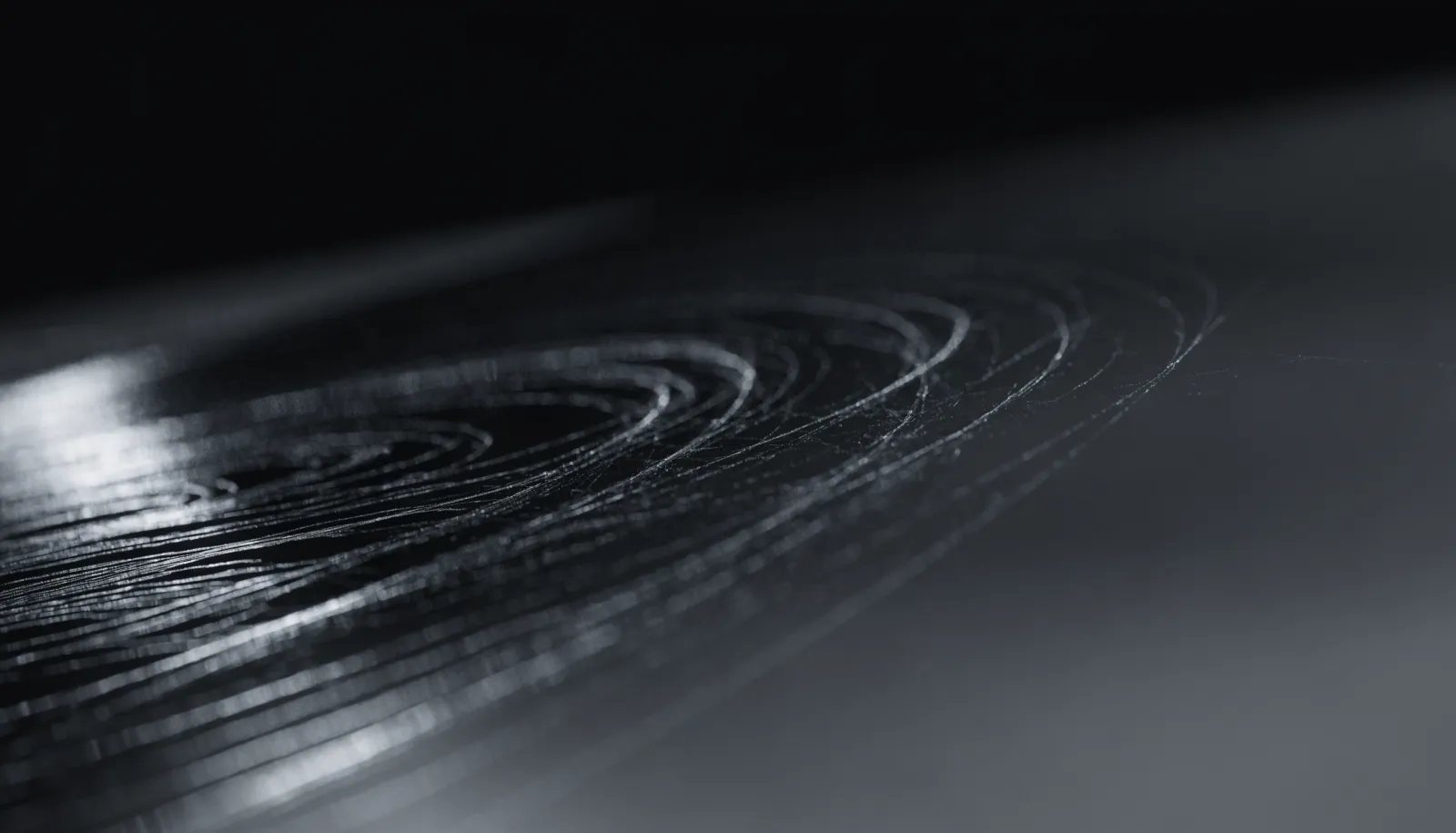
Swirl marks appear as circular or semi-circular fine scratches that radiate outward from a central point. They look like a spider web pattern. These are caused by improper washing — circular motions with dirty mitts, automatic car washes, or wiping a dusty car with a dry towel.
Random deep scratches show up as single, defined lines. These are typically from fingernails, keys, belt buckles, or road debris. If your fingernail catches when you run it across the scratch, it’s a deep scratch that may require aggressive compounding or wet sanding.
Holograms (buffer trails) appear as streaky, wavy patterns that follow a specific direction. These are left behind by someone who previously polished the car with a rotary buffer and either used the wrong pad, wrong speed, or wrong technique. They’re almost always correctable.
Hazing looks like a uniform dullness across a panel without distinct scratch patterns. This can be light oxidation, chemical etching from environmental contaminants, or residue from old wax/sealant buildup.
The Direct Sunlight Test
Sunlight reveals things that artificial light can’t replicate. If possible, inspect your car in bright, direct sunlight between 10 AM and 2 PM when the sun is high.
What to Look For
Water spot etching. Look at horizontal surfaces (hood, roof, trunk) at a shallow angle. Water spot etchings appear as circular marks where mineral deposits have eaten into the clear coat. Light ones look like faint rings. Severe ones are visible from any angle and feel rough to the touch.
Orange peel texture. Look at the reflections in your paint from a few feet away. Factory paint has a slight dimpled texture called orange peel. This is normal on production cars — it’s not a defect. Some people want it removed for a mirror finish, but that’s an aesthetic choice, not a correction need.
Clarity and depth. Stand about 5 feet from a large panel (door, fender) and look at the reflections. Corrected, healthy paint shows sharp, clear reflections — like a mirror. Swirled and damaged paint shows blurry, scattered reflections. The difference is dramatic once you know what to look for.
The Swirl Mark Angle Test
Swirl marks look different from different angles. That’s not a lighting trick — it reveals how deep they are.
Light Swirls
Visible only at certain angles, usually when light rakes across the surface at a low angle. Disappear when you look straight at the panel. These are shallow, surface-level swirls that a single-stage polish will handle.
Moderate Swirls
Visible from multiple angles, clearly defined web patterns. Show up under both artificial and natural light. These require a two-stage correction — a compound step followed by a polish step.
Heavy Marring
Visible from any angle, dense coverage of deep scratches that create a dull, hazy appearance. The paint looks permanently foggy. This is either heavy swirl damage requiring aggressive multi-stage correction, or it’s clear coat failure (which is a different problem entirely — more on that below).
Assessing Severity: The Honest Framework
Not all paint damage needs correction. Here’s how to categorize what you’re seeing:
Level 1: Light Hazing
Fine swirls visible only under direct light at certain angles. Paint still looks good from normal viewing distances. This is typical of a car that’s been through some automatic washes or hand-washed without proper technique.
Verdict: A single-stage polish will handle this. Quick process, minimal clear coat removal.
Level 2: Moderate Swirling
Obvious swirl patterns visible in direct sunlight. Paint looks dull compared to new. Reflections are blurry but the paint doesn’t look neglected.
Verdict: Two-stage correction. Compound to remove defects, polish to refine. This is the most common level we see.
Level 3: Heavy Damage
Dense scratching, deep swirls, visible random scratches. Paint appears hazy or flat. May have water spot etching, chemical staining, or other contamination.
Verdict: Multi-stage correction, possibly with spot wet sanding for deeper defects. This requires clear coat measurement before starting to confirm there’s enough material to work with.
Level 4: Beyond Correction
Clear coat peeling, flaking, or cloudy white patches. Paint feels rough in areas. Color fading that’s uneven across panels.
Verdict: This is clear coat failure, not correctable damage. The panel needs to be resprayed. No amount of polishing fixes structural clear coat breakdown.
The 50/50: Seeing Is Believing
Professional detailers use a technique called a “50/50” to demonstrate the difference correction makes. They tape off a section of a panel and correct one half, leaving the other half untouched.
You can do a simplified version at home to test whether your paint will respond to correction:
- Wash a section of your hood thoroughly.
- Apply a small amount of finishing polish to a foam applicator pad.
- Work it into a 12-inch square area by hand for 60-90 seconds.
- Wipe clean with a microfiber towel.
- Compare the polished area to the adjacent unpolished area under your flashlight.
If the polished area shows noticeably fewer swirls, your paint will respond well to machine correction. Hand polishing only addresses the lightest defects — a machine will do vastly more. But this test confirms the paint is correctable.
When to Skip Correction
Paint correction isn’t always the right move. Here are situations where you should hold off:
Thin Clear Coat
If your car has been corrected multiple times before, or if it’s had body work with insufficient clear coat application, there may not be enough material left to safely correct. A paint thickness gauge reading is essential. Anything below 80 microns total (primer + base + clear) should be approached with extreme caution.
Cars You Won’t Maintain
Correction removes a thin layer of clear coat permanently. If the car is going back to the automatic car wash next week, you’ve sacrificed clear coat for a result you’ll destroy immediately. Correction makes sense when paired with proper maintenance — hand washing, quality products, and ideally a ceramic coating for ongoing protection.
Vehicles Near the End of Their Life
If the car is a daily driver with 200,000 miles and you’re driving it until the wheels fall off, correction is probably not the best use of your money unless the paint condition genuinely bothers you. There’s no wrong answer here — just be honest about the return on investment.
Lease Returns
Unless your lease agreement penalizes you for paint condition (rare), correction before turning in a lease is usually unnecessary. Save the money.
Next Steps
If your inspection reveals light to moderate swirl damage and the paint is otherwise healthy, correction will transform the finish. The results on a car that’s never been properly corrected are genuinely dramatic — most owners say it looks better than the day they bought it.
The best approach is to bring the car in for a professional evaluation. We’ll measure clear coat thickness, assess every panel under controlled lighting, and give you an honest recommendation — including telling you if correction isn’t worth it for your situation. Request an evaluation and we’ll take a look.