
Interior Detailing: A Complete Guide to Every Surface in Your Car
Why Interior Detailing Requires a Material-Specific Approach
The interior of your vehicle contains more distinct material types than any other area, and each one requires specific products and techniques to clean, protect, and maintain without causing damage. Leather, vinyl, plastic, fabric, carpet, suede, alcantara, glass, chrome, wood, and carbon fiber can all be found within arm’s reach of the driver’s seat, and using the wrong product on any of these surfaces leads to staining, discoloration, deterioration, or a greasy mess that attracts more dirt. In the Texas climate, interior care is especially critical because temperatures inside a parked car in Houston regularly exceed 150 degrees Fahrenheit during summer months, accelerating the degradation of every material and amplifying the consequences of neglect. At EuroLuxe Detailing, our interior detail process addresses each material individually, and this guide walks you through the approach we use on every vehicle that comes through our Tomball shop.
Leather Seats and Surfaces
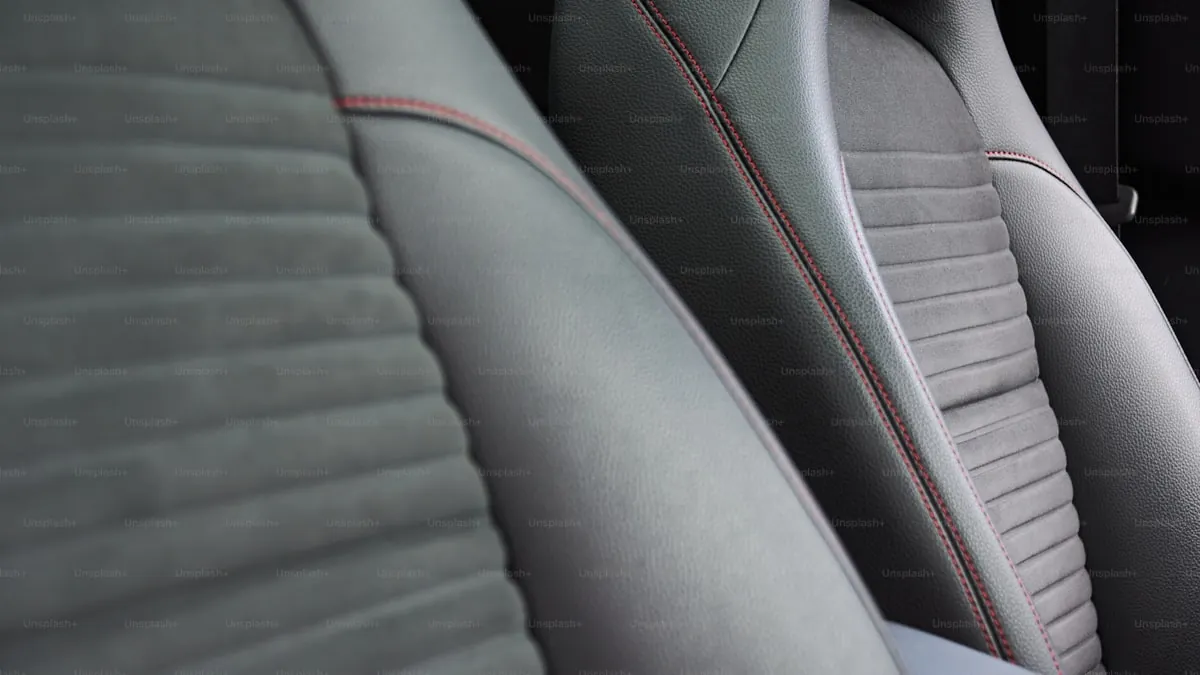
Leather is the most premium and most commonly misunderstood interior material, with care requirements that differ dramatically from what most people assume. Modern automotive leather is coated with a protective finish layer that is actually what you see and touch, meaning the care process is about maintaining this coating rather than conditioning raw leather as you would with a jacket or saddle. Clean leather with a pH-balanced, water-based leather cleaner applied to a soft brush or microfiber applicator, agitating gently to lift body oils, sunscreen residue, and dye transfer from clothing without damaging the protective coating. Follow with a leather conditioner that replenishes flexibility and provides UV protection, which is critical in Texas where sun exposure through windows dries and cracks leather rapidly, especially on south-facing driver’s seats. Avoid household cleaners, baby wipes, and all-purpose cleaners on leather, as they strip the protective coating and accelerate aging.
Dashboard, Trim, and Plastic Surfaces
Dashboard and trim plastics are some of the most sun-exposed surfaces in any vehicle, and they require regular cleaning and UV protection to prevent fading, cracking, and the chalky oxidation that makes interiors look aged. Use a dedicated interior detailer or mild all-purpose cleaner diluted appropriately, applied to a microfiber towel rather than sprayed directly onto surfaces where overspray can reach glass, screens, or vents. For textured plastics with grain patterns, a soft detailing brush helps lift dust and debris from the recesses that a flat towel cannot reach, particularly around buttons, knobs, and vent slats. After cleaning, apply a UV-protective dressing with a matte or satin finish, avoiding high-gloss products that create dashboard glare, attract dust, and give the interior an artificial look that most drivers find unpleasant within days.
Carpet and Fabric Deep Cleaning
Carpet and fabric seats accumulate more contamination per square inch than any other interior surface, trapping dirt, food particles, pet hair, allergens, and spilled liquids deep within their fibers where vacuuming alone cannot reach. A thorough fabric cleaning begins with aggressive vacuuming using a crevice tool and brush attachment to remove loose debris, followed by pre-treatment of stains with a dedicated fabric cleaner that breaks down organic matter without bleaching or discoloring the material. Hot water extraction, the professional method commonly called steam cleaning, forces heated cleaning solution into the carpet fibers and immediately extracts it along with dissolved contaminants, pulling out embedded dirt that has been compacting since the vehicle was new. In Houston’s humidity, thorough drying after extraction is essential, as residual moisture in carpet padding creates a musty smell and can promote mold growth within 24 to 48 hours if not properly addressed with fans and dehumidification.
Headliner Care: The Surface Everyone Forgets
The headliner is the most delicate interior surface and the one most frequently damaged by improper cleaning attempts, because the adhesive that bonds the fabric to the backing foam is vulnerable to excessive moisture and aggressive agitation. Never scrub a headliner with heavy pressure or saturate it with liquid, as both actions can separate the fabric from the adhesive-backed foam substrate, creating bubbles, sagging, or complete delamination that requires expensive replacement. Clean headliner stains with a dedicated fabric cleaner sprayed lightly onto a microfiber towel, then blotted gently in one direction rather than rubbed in circles, allowing the chemistry to dissolve the stain rather than relying on physical force. Smoke stains and odors in headliners are particularly challenging because nicotine and tar penetrate the porous fabric and foam, often requiring multiple treatments with an enzyme-based cleaner followed by ozone treatment to fully resolve.
Glass Cleaning for Streak-Free Results
Interior glass cleaning seems straightforward but is consistently one of the most frustrating tasks for car owners, with streaks, haze, and smearing plaguing the inside of windshields especially. The interior windshield surface accumulates a film of outgassed plasticizers from dashboard and trim materials, particularly in new vehicles and during hot weather when the plastic components release volatile compounds that condense on the cooler glass surface. Use a dedicated automotive glass cleaner rather than household window cleaners that contain ammonia, which damages tint film and leaves a bluish haze on glass. Apply the cleaner to a low-pile, low-GSM microfiber towel rather than spraying the glass directly, which prevents overspray from landing on the dashboard and A-pillar trim. Buff with a second clean, dry glass towel, and work in overlapping straight lines rather than circular motions to avoid creating swirl-pattern streaks that are painfully visible in direct sunlight.
Door Jambs, Sills, and Overlooked Areas
A truly complete interior detail extends beyond the cabin to the transitional zones that most people overlook but that heavily influence the overall impression of cleanliness. Door jambs accumulate road grime, rubber seal residue, and hinge grease that transfers to clothing when entering and exiting the vehicle, and cleaning them with an all-purpose cleaner and detailing brush makes an immediately noticeable improvement. Door sills and kick panels take the brunt of shoe contact, accumulating scuff marks, mud, and debris that spread into the carpet with every entry. Cup holders, center console storage compartments, and the area beneath seats collect an archaeological record of dropped items, crumbs, and miscellaneous debris that a quick vacuum cannot fully address. These areas are where professional detailing truly differentiates itself from a quick DIY clean, because professionals have the tools, products, and patience to address every surface systematically.
Interior Protection After Detailing
Cleaning is only half of the interior equation; protecting the freshly cleaned surfaces extends the results and reduces the effort required for future maintenance. Interior ceramic coatings are available for leather, vinyl, fabric, and plastic surfaces, creating a barrier that resists staining, simplifies cleaning, and adds UV protection that slows material degradation. At our shop, we apply interior-specific ceramic protection as part of our comprehensive detailing packages, treating leather seats, plastic trim, and fabric surfaces with products designed for each material type rather than using a single product across all surfaces. Fabric seats and carpets benefit from a dedicated fabric protectant that creates an invisible barrier against liquid spills and stains, giving you time to blot up a coffee spill before it penetrates the fibers and creates a permanent mark.
Professional Interior Detailing at EuroLuxe
A complete professional interior detail is one of the highest-impact services we offer, transforming a tired, dirty cabin into a fresh, comfortable environment that makes every drive more enjoyable. Whether your vehicle needs a basic maintenance cleaning or a full restoration detail addressing years of accumulated contamination, our team at EuroLuxe Detailing in Tomball has the products, equipment, and expertise to handle every material in your vehicle safely and effectively. We also offer interior ceramic coating packages that protect your freshly detailed surfaces and dramatically reduce the maintenance effort required between professional services. Request a quote today and let us show you what your vehicle’s interior should look and feel like, with appointments available Monday through Friday from 9 to 5 and Saturdays by appointment at our location on Holderrieth Road.


