Paint Correction for Silver and Metallic Cars: Unique Challenges
Why Silver and Metallic Paints Are Different
Silver and metallic finishes are among the most common paint colors on the road, yet they present some of the most nuanced challenges in professional paint correction. Unlike solid colors where light reflects uniformly off a flat surface, metallic paints contain tiny aluminum or mica flakes suspended in the base coat layer. These flakes reflect light at multiple angles simultaneously, which creates that distinctive sparkle and depth that makes metallic paint so appealing. However, this same property means that defects in the clear coat interact with the flake layer in complex ways, making scratches and swirl marks appear to shift and change depending on your viewing angle. At EuroLuxe Detailing, we correct more silver and metallic vehicles than any other color category, and the approach requires a fundamentally different inspection and correction strategy.
The Lighting Challenge with Metallic Finishes
Proper defect identification on metallic paint demands more sophisticated lighting than solid colors require. A single LED panel that works perfectly for inspecting a solid black or white vehicle can be misleading on metallic finishes because the flake reflects the light source itself, creating visual noise that masks the actual clear coat defects. We use a combination of direct LED inspection lights, indirect diffused lighting, and natural daylight to build a complete picture of the defect pattern on metallic surfaces. The most revealing technique involves positioning a focused LED at an acute angle to the panel while viewing from the opposite side, which isolates the clear coat defects from the underlying flake reflections. Without this multi-angle inspection approach, a technician can easily miss swirl marks that are clearly visible to the owner when they see the car under parking lot lighting or in their garage.
Swirl Marks and Their Unique Appearance on Metallic Paint
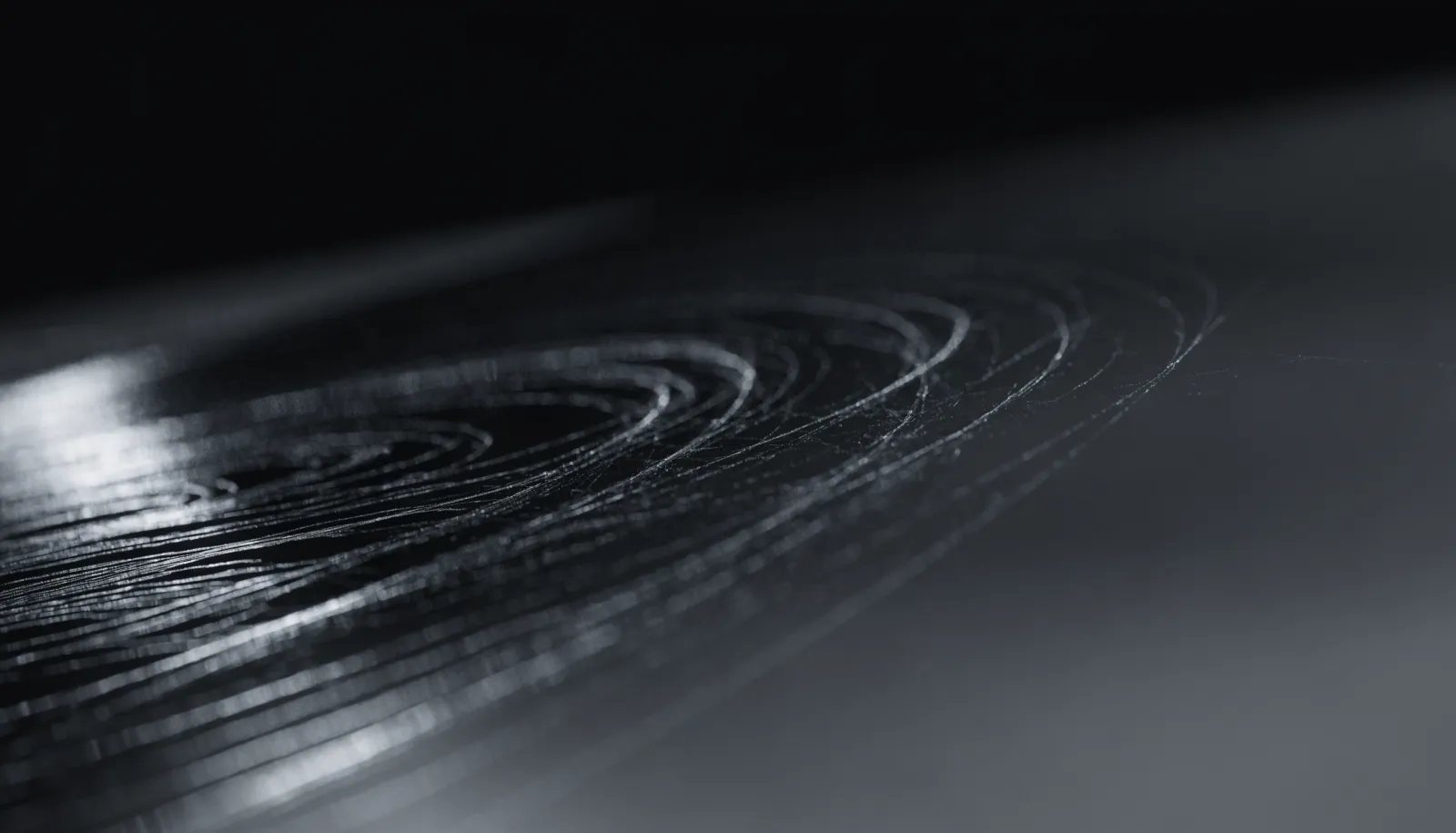
Swirl marks on metallic paint appear distinctly different from those on solid colors, and understanding this difference is critical for both diagnosis and correction verification. On a solid black car, swirl marks show up as clean, circular scratches that are unmistakable under any bright light source. On silver metallic, those same swirl marks scatter light through the flake layer and appear as a diffused haze rather than individual scratch patterns. This haze effect is why many silver car owners describe their paint as looking “dull” or “flat” rather than recognizing the underlying swirl damage. The diffusion also makes it harder to determine whether a correction pass has fully removed the defect, since the haze can appear reduced without the scratches being completely eliminated. We always verify our correction results under at least three different light sources before considering a metallic panel finished.
Compounding and Polishing Considerations
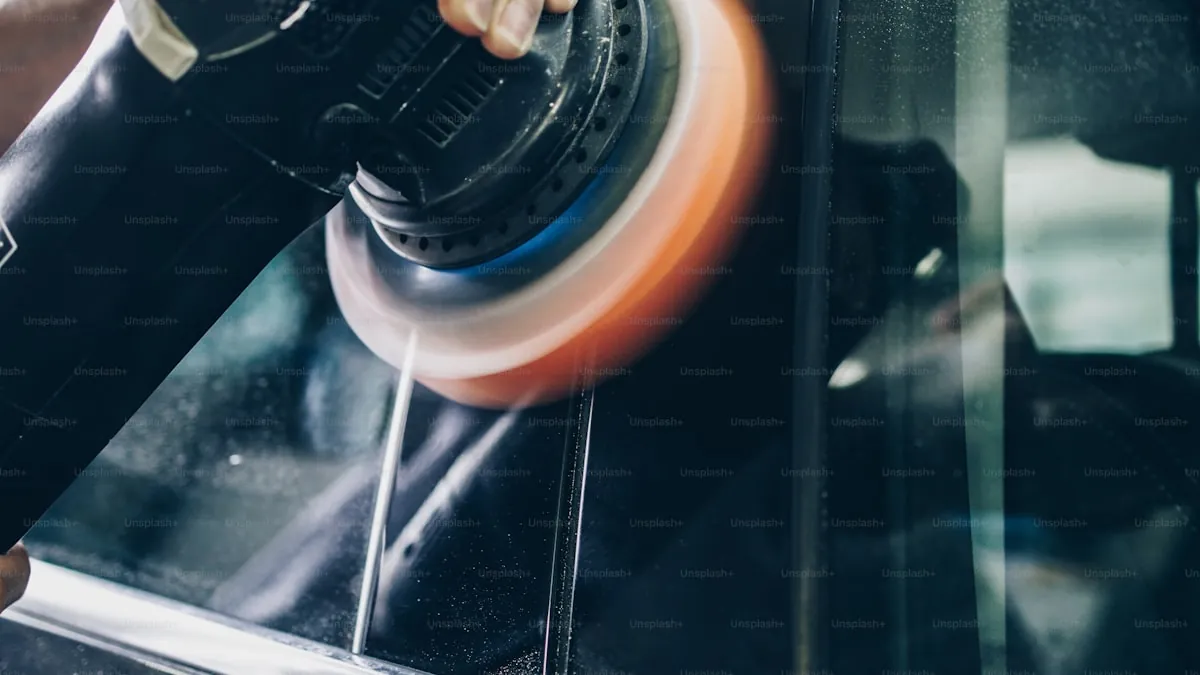
The correction process itself requires adjustments when working with metallic finishes. Metallic clear coats from most manufacturers tend to be slightly harder than their solid-color counterparts because the flake layer requires a more robust clear coat to maintain uniform coverage over the irregular base surface. This means that the cutting compounds and pad combinations we select for metallic correction are often more aggressive in the initial cutting stage. However, the finishing stage demands extra attention because any micro-marring left by the cutting step is amplified by the metallic flake, creating a haze that would be nearly invisible on a solid color. At our Tomball shop, we typically add an additional finishing polish step on metallic vehicles that we would not need on solid paint, using an ultra-fine finishing compound with a soft foam pad to ensure the surface is completely free of any machine-induced marring.
Paint Thickness Concerns on Silver Vehicles
Silver and light metallic colors deserve extra caution during paint thickness measurement because they tend to have thinner factory clear coat applications compared to darker metallics. Manufacturers often apply slightly less clear coat on lighter colors because the visual difference between thin and thick clear is less noticeable when the underlying base coat is already bright. We have measured factory silver clear coats as thin as 1.2 mils on some Asian and European models, which leaves very little material to work with during correction. Our standard protocol involves taking paint thickness readings at multiple points across every panel before any correction work begins, establishing a baseline that tells us exactly how much clear coat we can safely remove. This is especially important on silver vehicles that have been previously corrected or repainted, where the remaining clear coat may be significantly thinner than factory specifications.
Common Defect Patterns We See on Silver Cars
In our experience correcting hundreds of silver and metallic vehicles in the Houston area, certain defect patterns appear repeatedly. Automatic car wash damage is the most common, leaving uniform circular swirl patterns that are particularly visible on silver hoods and roofs. The second most frequent issue is water spot etching from the mineral-heavy municipal water supply in the Tomball and North Houston area, which creates crater-like marks that the metallic flake makes appear deeper than they actually are. Bird dropping etching is another regular concern, and on metallic paint the chemical burn often creates a ring pattern that follows the flake orientation. We also see significant damage from improper drying techniques, where owners drag a chamois or towel across the surface without adequate lubrication, leaving linear scratches that intersect with the directional flake layout in ways that make the damage very conspicuous under direct sunlight.
Protection After Correction
Once a metallic finish has been properly corrected, protecting the results becomes even more important than on solid colors because the visual impact of new defects is amplified by the flake layer. We strongly recommend applying a ceramic coating like GYEON MOHS EVO immediately after correction, since the hydrophobic and chemical-resistant properties dramatically reduce the types of damage that metallic paint is most susceptible to. The coating also enhances the metallic flake effect by creating a perfectly smooth optical surface above the clear coat, which allows light to penetrate cleanly to the flake layer and reflect back without interference from micro-scratches. For clients who want maximum protection on hood and fender surfaces where rock chips are inevitable, adding paint protection film over the corrected and coated surface provides physical barrier protection that preserves the correction results for years. The combination of correction, coating, and strategic PPF coverage is the most effective approach we offer for maintaining metallic paint at its absolute best.
Get Your Metallic Paint Assessed
If your silver or metallic vehicle has lost the depth and sparkle it had when new, the underlying paint is almost certainly better than it looks. Years of wash damage, environmental contamination, and minor abrasion create a cumulative haze that masks the true beauty of the metallic finish beneath. At EuroLuxe Detailing in Tomball, we specialize in restoring metallic finishes to their full potential using techniques specifically calibrated for the unique challenges these paints present. Request a quote and let us show you what your metallic paint is capable of when properly corrected and protected.