PPF coverage zones explained: partial vs. full body
One of the most common questions owners ask before committing to paint protection film is how much of the car actually needs to be covered. The answer depends on how you use the vehicle, where you drive it, and how you want to balance budget against risk. There is no single correct answer, but there is a logical framework for thinking through the decision — and understanding it before you walk into a shop will help you get more value out of the conversation.
PPF is not an all-or-nothing product. It can be applied to a single panel, a defined zone, or every exterior surface on the vehicle. Each approach has real-world tradeoffs. A partial install protects the areas most likely to sustain damage. A full-body install eliminates the guesswork entirely. The right choice depends on factors specific to your car and your driving habits.
Why damage patterns matter before you choose
Rock chips, road debris, and insect damage follow predictable patterns based on aerodynamics and traffic. The front bumper, hood leading edge, and A-pillars absorb the overwhelming majority of highway impact damage. Fenders and front quarter panels come next. Rear bumpers collect damage from parking lots and loading areas. Side skirts and rocker panels catch abrasive grit and low-clearance debris.
If you drive I-45, US-249, or the Hardy Toll Road regularly, your front end is taking punishment on every trip. That is not a marketing argument — it is physics. A vehicle doing 70 mph through construction zones near The Woodlands or Conroe is deflecting material off its front surfaces constantly, most of it too small to see clearly but large enough to fracture clear coat over time.
Understanding where your car is most exposed tells you where film coverage has the highest return. It also tells you where leaving paint unprotected carries real long-term consequences versus where the risk is relatively low.
What partial coverage typically includes
Most shops offer partial or zone-based packages built around the highest-impact areas. A standard partial install usually covers the full front bumper, the hood (either the leading edge strip or the full panel), the front fenders, mirrors, and A-pillars. Some packages add headlights and the front portion of the rocker panels.
This approach protects the surfaces that statistically suffer the most road damage without covering every panel on the car. For a daily commuter or a truck that sees highway miles regularly, a well-designed partial package addresses the real threat zones at a lower total cost than full-body coverage.
The limitation is obvious: anything outside the covered zone is unprotected. A door ding in a parking lot, a shopping cart impact on a rear quarter panel, or overspray from a construction site will affect unprotected paint just as it would on a car with no film at all. If those scenarios concern you — and for many owners of new or high-value vehicles, they should — partial coverage is a starting point, not a complete solution.
What full-body coverage actually protects
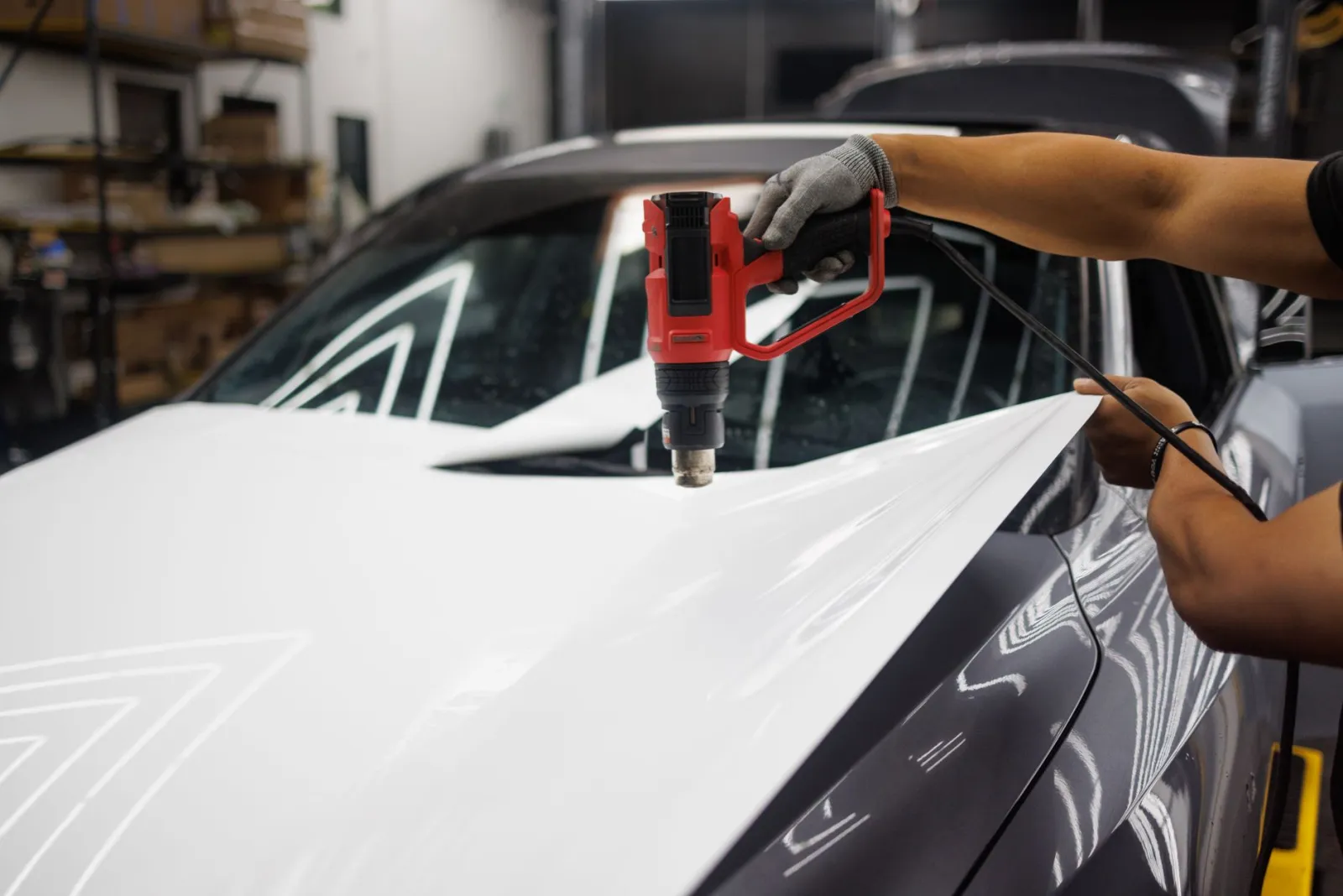
A full-body PPF install wraps every painted exterior surface: doors, rear quarter panels, trunk lid, roof, rear bumper, and full hood in addition to the front-end zones. The goal is to eliminate exposed paint entirely, leaving no surface vulnerable regardless of where contact occurs.
For owners who plan to keep a vehicle long-term, this approach preserves the paint in a condition that partial coverage cannot match over a five- or ten-year horizon. Parking lot encounters, automated car wash brushes, bird droppings sitting on a door panel in the Texas heat, and minor abrasion from everyday use all affect exposed paint gradually. Film on those surfaces absorbs that wear instead.
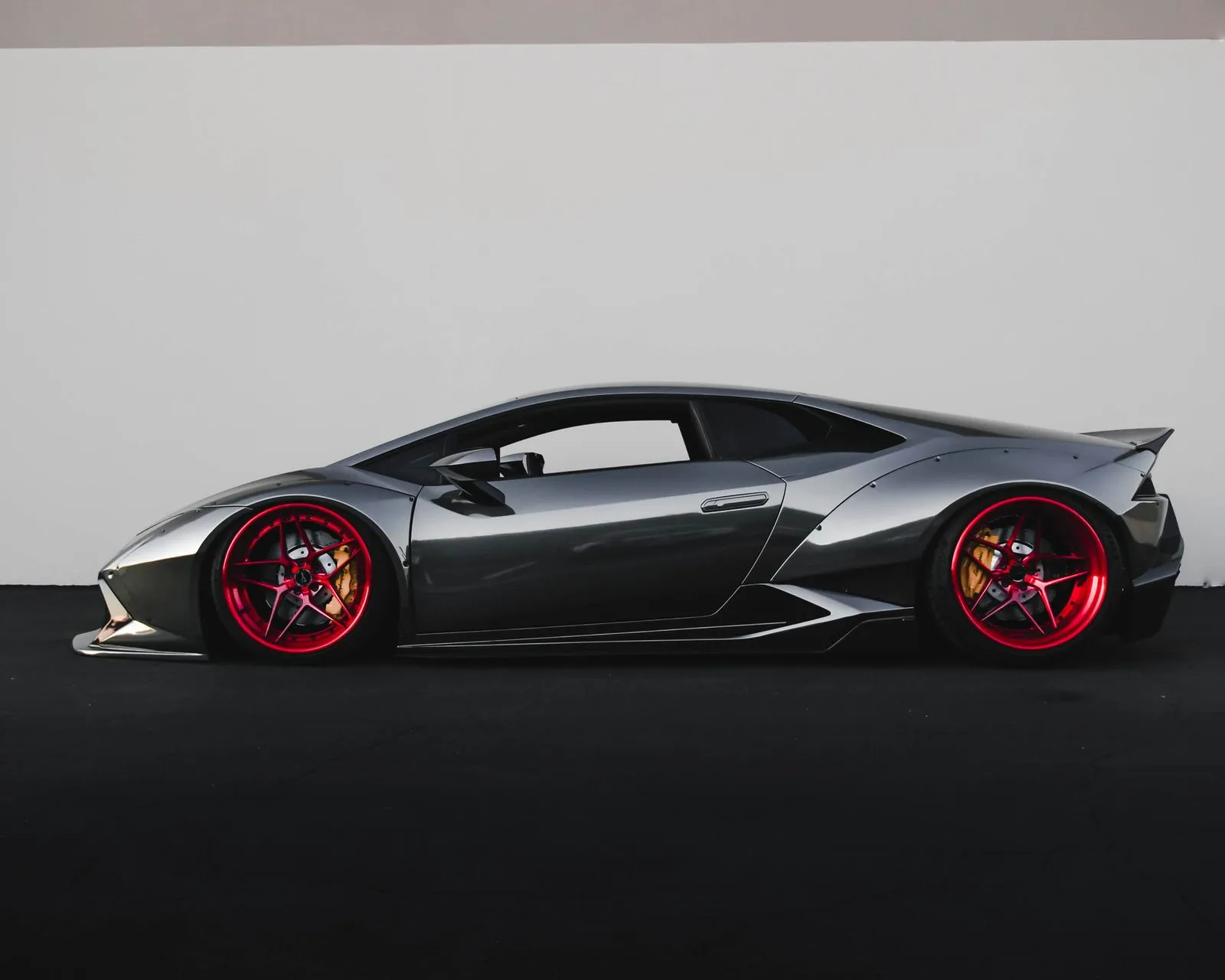
Full-body coverage is also the correct choice for vehicles with paint that is genuinely difficult or expensive to repair — deep metallic tri-coats, factory matte finishes, and colors that require multi-stage refinishing to match. For exotic and luxury vehicles where a single panel respray can cost several thousand dollars, the math on full coverage is straightforward.
You can learn more about the specifics of paint protection film and how UltraFit film performs across different coverage configurations on our service page.
Evaluating the middle ground: front-end plus targeted additions
Many owners land on a strategy between basic partial and full-body coverage. A full front-end package — bumper, complete hood, full fenders, mirrors, A-pillars, and headlights — combined with targeted coverage on rear bumper and door edges covers the most statistically significant damage zones without the cost of a complete wrap.
Door edge guards deserve specific mention. The leading edge of each door is hit by door dings, tight parking structures, and careless adjacent drivers. A narrow strip of film on each door edge is inexpensive, largely invisible, and prevents the chips and gouges that accumulate in that specific location over years of normal use.
Rocker panels and lower door cills are another meaningful addition for trucks and SUVs in particular. The grit and debris that travels along the rocker zone at highway speed causes the kind of fine scratching that is tedious to correct and tends to compound over time. Adding film to that zone on a new F-150, Suburban, or Tacoma makes sense regardless of whether the rest of the body is covered.
How driving environment should influence your decision
Owners in areas with heavy road construction, loose gravel shoulders, or significant highway commuting face different conditions than someone who drives low-speed suburban routes. North Houston has active construction corridors stretching from Cypress through Tomball and along the 99 Grand Parkway. Conroe and Magnolia owners dealing with FM roads and gravel cross-traffic are in a different exposure category than someone who stays inside Loop 610.
Vehicles towed to track days or autocross events take targeted abuse on specific panels depending on the layout. Off-road trucks and SUVs taking forest roads near Huntsville or gravel ranch roads west of Tomball face a completely different threat profile than a sport sedan that lives on pavement.
If you are uncertain how your driving habits map to coverage decisions, that is exactly the kind of conversation a professional installer should be having with you before a single panel is measured. Schedule a consultation to walk through your specific vehicle and routes before committing to a package.
How condition affects coverage planning
New vehicles coming directly from the dealership or transport carrier are ideal candidates for film because you are preserving factory paint from the start. Used vehicles with existing paint defects require a different approach: any swirl marks, chips, or scratches should be addressed through paint correction before film is applied. Installing PPF over compromised paint seals those defects in place and can make them more visible under the film, not less.
This is a detail that matters when planning a used-vehicle protection job. The coverage zones may be identical to a new-car install, but the prep work preceding the film application is different. Skipping that step is a shortcut that produces a result neither the installer nor the owner will be satisfied with three months later.
Thinking through longevity and resale
PPF on a vehicle for several years does meaningful work: it keeps the paint underneath in the same condition it was in when the film was applied. When the film eventually comes off — whether for removal and replacement or at point of sale — the protected paint underneath reflects that care. Unprotected areas that have been exposed to road debris, UV exposure, and contact damage for the same period tell a different story.
For owners planning to sell or trade a vehicle within three to five years, covered paint represents a tangible advantage in condition-based appraisals and private sales. The buyer inspecting the paint can see the difference between protected surfaces and those that were not.
Making the call
There is no universal answer to how much coverage a vehicle needs. A budget-conscious owner putting highway miles on a five-year-old daily driver and a new Porsche owner protecting a factory order from day one are solving different problems at different price points. The framework for both is the same: identify the highest-risk zones, understand what partial coverage leaves exposed, and decide whether the gaps are acceptable given how the car is used and how long you plan to own it. Call (936) 292-6056 to talk through the specifics with someone who works with these materials daily and can give you a straight answer based on your actual vehicle and situation.