Paint protection film for convertibles and roadsters
Convertibles and roadsters occupy a specific place in how owners relate to their vehicles. They get driven with purpose — top down on a clear evening, pushed through a canyon road on a weekend, or simply taken out because a coupe or sedan would feel like a compromise. That engagement with driving comes with a trade-off: these cars are almost always lower to the ground, sit in traffic at the height of exhaust pipes and road debris, and rack up highway miles in conditions where rock chips are inevitable. Paint protection film is not a new concept for convertible owners, but how it gets applied and what areas deserve priority is worth examining carefully before you commit to an installation.
The front-end geometry on most roadsters and open-top sports cars is more aggressive than on a standard sedan. Low hood lines, wide front fascias, and minimal ground clearance mean the leading edges take the full force of highway debris. Add to that the fact that many convertible owners in North Houston are putting real miles on their cars — I-45, the Hardy Toll Road, SH-249, and the back roads through Tomball and Magnolia generate consistent chip exposure. A car that spends weekends in the garage looking perfect is one problem. A car that actually gets driven is a different conversation.
Soft-top convertibles also carry a secondary concern that hardtops do not. Wind buffeting at speed creates a low-pressure zone behind the windshield that pulls road grit up and back across the beltline, trunk lid, and rear deck. Owners often notice chips and abrasion in areas they did not expect — the rear quarter panels, the trunk, and even the sail panels behind the rear windows. Understanding that exposure pattern matters when you are deciding how far back your PPF coverage should extend.
Why convertibles need more coverage than a typical sports coupe
The instinct for most first-time PPF buyers is to protect the front of the car: hood, bumper, fenders, mirrors. That coverage zone — often called a full front package — handles the majority of rock chip exposure on a conventional vehicle. On a convertible, that logic holds for the front end, but it does not account for the rear exposure created by open-top aerodynamics.
When you remove the roof structure, airflow over the car behaves differently. At highway speeds, turbulence behind the windshield header creates a recirculating pocket of air that draws debris upward and deposits it along the rear deck and trunk surfaces. Roadsters with short rear decks — think of a Porsche Boxster, a Mazda MX-5, or a BMW Z4 — are particularly susceptible because there is very little surface between the cockpit and the trailing edge of the car. That rear deck takes regular abuse.
For these reasons, a full front package is often the starting point on a convertible rather than the endpoint. Rear quarter panels, the trunk lid, and the rear bumper are worth discussing with your installer before the job begins. The investment in additional coverage is meaningful, but so is the cost of a paint correction and respray on a rear panel that could have been protected.
Soft tops, hard tops, and what PPF actually covers
Paint protection film applies to painted body panels. It does not adhere to fabric soft tops, vinyl roofs, or textured convertible boot covers. That distinction matters because some owners come in expecting the top itself to be protected, which is outside the scope of what film can do. The painted surfaces adjacent to the top — the top frame, the header bar, the windshield surround — can be covered, and those are areas worth including because they are exposed to the same abrasion and UV degradation as the rest of the car.
Hard-top convertibles, including those with folding metal roofs, present a different scenario. The hard panels are painted and can be fully wrapped like any other body surface. If you own a car with a retractable hardtop that folds into the trunk, the mechanism cutouts and the surfaces around the decklid opening are worth inspecting. Those edges often show chips and abrasion from the folding cycle itself, not just road debris.
For fabric tops, the appropriate care strategy involves UV protectants and fabric sealants — a separate conversation from PPF. Some owners combine that work with a ceramic coating appointment so the painted panels and the soft top are addressed in a single visit.
Coverage decisions: where to prioritize your budget
Not every convertible owner needs or wants full-body film. The coverage zones worth prioritizing depend on how the car is used and what areas have historically shown damage on that specific platform.
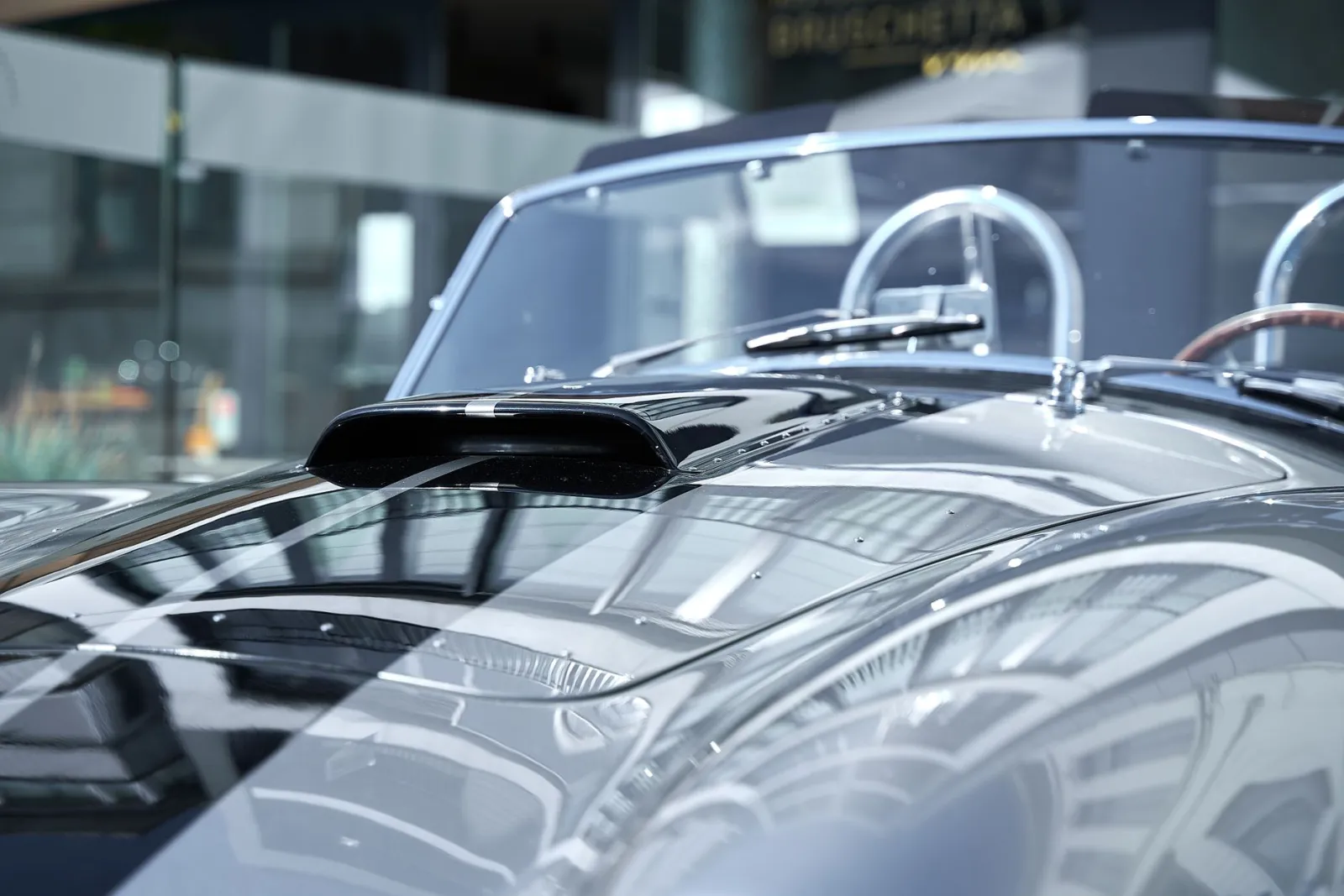
Front bumper and lower fascia should be considered non-negotiable on any car that sees highway use. The lower leading edge of the bumper collects rock chips faster than any other surface on a low-slung roadster. Hood coverage from the leading edge to at least the midpoint — and on smaller hoods, full coverage — protects the most visible surface on the car. Front fenders and mirror caps round out the front package.
For convertibles specifically, a conversation about rear deck and trunk coverage is worth having before the installation begins. If the car will be driven regularly with the top down, that exposure is real. Rear bumper coverage is logical on any vehicle; on a convertible it also guards against the low-speed parking lot contact that seems disproportionately common on shorter, lower cars.
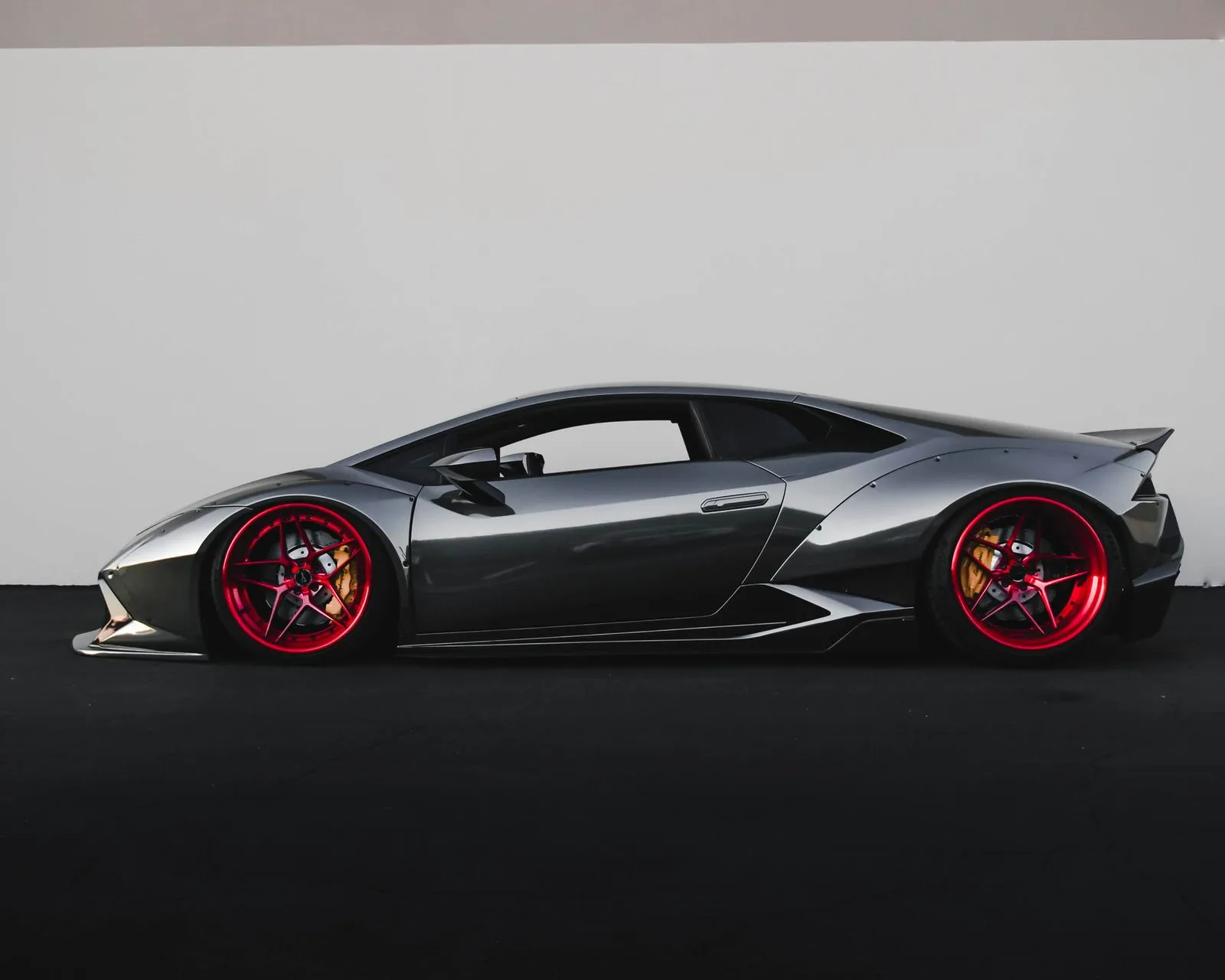
Rocker panels are another area where convertibles take targeted abuse. Without the body cladding found on SUVs and trucks, the painted rocker panels on most roadsters are exposed to tire spray, sand, and road salt. A rocker panel overlay is one of the more cost-effective additions to a base front package.
Installation specifics for low-clearance and performance vehicles
Installing paint protection film on a convertible requires the same controlled environment that any quality PPF job demands — dust-free air, stable temperature, and time. What changes with low-clearance vehicles is the physical access required to work around complex body lines, tight bumper gaps, and surfaces that are close to the ground.
The UltraFit film we use at EuroLuxe is cut and fitted using computer-generated patterns specific to each vehicle make and model. That precision matters on roadsters with compound curves and tight panel transitions — the kind of geometry you find on a Porsche 718, an Alfa Romeo Spider, or a Lotus Emira. Hand-trimmed edges on complex curves are a point of failure over time; plotted cuts that follow the panel geometry with accurate margins hold better and look cleaner.
Edge sealing deserves particular attention on convertibles. Exposed edges near the windshield header, around door cutouts, and along the lower rocker lines are subject to wind lift at speed. A properly sealed edge on a film installation should not lift under normal highway driving, but the work has to be done correctly from the start. This is one area where the quality gap between an experienced installer and a less experienced one becomes visible relatively quickly.
Pairing PPF with other protection on a convertible
PPF handles physical impact — rock chips, abrasion, minor contact. It does not address UV degradation on surfaces it does not cover, and it does not provide the enhanced water-sheeting behavior that a ceramic topcoat adds. Many convertible owners choose to apply a ceramic coating over the installed film to gain both forms of protection simultaneously.
The combination works well on roadsters because the top-down driving experience exposes the paint to direct sun and airborne contaminants at a higher rate than a hardtop vehicle. A ceramic layer over the film makes wash maintenance easier, helps the car shed water and road grime, and extends the service life of the film underneath.
For the soft top itself, a fabric-safe ceramic sealant applied at the same time keeps the UV and water resistance of the material from degrading as quickly as it would without treatment. These services can be scheduled together to reduce the total time the car is out of service.
What to expect from the process
Before any film is applied, the paint needs to be in good condition. Existing chips, swirl marks, or oxidation will be preserved under the film, not hidden. If the car has accumulated damage from prior seasons of driving, a paint correction session before the PPF installation is the correct sequence. Applying film over compromised paint locks in whatever is there; correcting first and then protecting ensures the investment makes sense.
A full front package on a convertible roadster typically takes one to two days, depending on the complexity of the vehicle and the scope of coverage. Full-body installations extend that timeline. The car stays in our climate-controlled installation bay throughout the process, which matters in the North Houston summer when heat and humidity can affect how film cures and adheres.
If you are working through coverage decisions or have questions specific to your car, you can reach EuroLuxe at (936) 292-6056 before scheduling. Talking through the vehicle and how it gets used helps define a coverage plan that matches the actual exposure, not a generic package that may over- or under-protect based on your situation.
Convertibles require more thought going into a PPF installation than most vehicles, but they also benefit more clearly from the protection once it is in place. A roadster driven regularly through the North Houston corridor will accumulate front-end damage over a single season without film. With a properly installed full front package, and rear coverage where the aerodynamics justify it, the paint stays in the condition it was in when the film went on — which is the entire point of the exercise.