PPF on fender flares and cladding: protecting unpainted plastic
Walk through any parking lot in The Woodlands or Cypress and you will notice the same progression on trucks and SUVs: the paint still looks acceptable, but the fender flares and lower body cladding have gone chalky white or faded to an uneven gray. Unpainted black plastic ages visibly and ages fast, especially under the Texas sun. Most owners assume that is just what plastic does, so they accept the decline. It is not inevitable.
Fender flares, rocker cladding, mud flap extensions, wheel arch trim, and lower door moldings are all surfaces that can be protected with paint protection film before oxidation gets a foothold. Installing PPF on these panels is not a common conversation at most shops because the work is detail-intensive and the material has to conform to heavily textured surfaces. Done correctly, it arrests the fading process entirely and keeps the trim looking as dark and consistent as it did the day the vehicle left the factory.
This guide covers what actually happens to unpainted plastic, why PPF works on it, what the installation involves, and which vehicles benefit most.
What happens to unpainted plastic trim without protection
Unpainted black plastic contains no clear coat. The color and surface texture come from the plastic compound itself, usually TPO or ABS, with carbon black and UV stabilizers mixed in during manufacturing. Those stabilizers have a finite service life. Under sustained UV exposure, the carbon black in the outer molecular layer breaks down and the surface oxidizes. What you see as fading or chalking is the outer layer of the plastic literally degrading.
In North Houston, this process accelerates because UV index values stay high for the majority of the year and vehicles often sit in direct sun for hours at a time. A truck that parks outside at a job site in Conroe or spends afternoons baking in a surface lot in Tomball can show visible fading on cladding within two to three years. Once the oxidation sets in deep enough, restoration becomes difficult. You can dress the plastic with a conditioner, but you are coating over degraded material rather than protecting healthy material.
The irreversible version of this problem is chalking that has penetrated more than the outermost surface layer. At that stage, the only real remedy is painting the plastic, which changes the appearance character of the trim entirely and adds cost that dwarfs what protection would have cost upfront.
Why PPF works on textured plastic surfaces
Urethane paint protection film is an optical-grade polymer, but its value on plastic trim is not primarily cosmetic. It acts as a physical UV barrier and a sacrificial outer layer that takes the environmental abuse before the plastic underneath can. The film blocks the UV wavelengths responsible for oxidation, so the carbon black and polymer structure of the cladding remain intact underneath.
The challenge is adhesion and conformability. Fender flares are not flat panels. They have aggressive curves, raised texture patterns, and in some cases sharp transitions between surfaces. Standard PPF installation technique involves stretching and heating the film to conform to compound curves without lifting edges or trapping bubbles beneath the texture peaks. This is work that has to be done in a controlled environment. Temperature swings during installation cause the film to behave unpredictably, which is why EuroLuxe’s climate-controlled installation bay matters here more than on a flat hood or door panel.
On gloss painted surfaces, PPF is nearly invisible. On matte or textured plastic, the film takes on the character of the surface beneath it and becomes optically neutral once installed correctly. The trim still looks like trim. It does not look wrapped or glossy. That matters for owners who want the factory appearance maintained rather than altered.
Which vehicles and panels benefit most
Full-size trucks are the most common candidates for cladding PPF in this area. The Ford F-150, Ram 1500, and GMC Sierra Denali all use substantial unpainted plastic on their wheel arches and lower body panels. Trucks that see highway miles on 249 or regular trips into rural Harris and Montgomery County roads accumulate rock chips and abrasion on those lower flares in addition to UV damage. Film addresses both.
Mid-size and full-size SUVs with cladding packages are equally vulnerable. The Toyota 4Runner, Jeep Wrangler, Ford Bronco, and Land Rover Defender all use pronounced plastic cladding as a design element. On these vehicles, the cladding is so prominent that its condition defines how the whole truck reads visually. A Defender with chalky arches looks neglected regardless of how clean the rest of the paint is.
Lower body side moldings on crossovers and sedans are a quieter version of the same problem. The plastic strips that run along the rockers on many Honda, Toyota, and Hyundai products are smaller in footprint but age the same way. Because they are closer to the road surface, they also accumulate tar, road film, and abrasion that can compromise the material faster than UV alone.
For a broader look at where PPF makes sense across the vehicle’s exterior, the paint protection film page on the EuroLuxe site explains coverage zone options in detail.
What the installation process involves
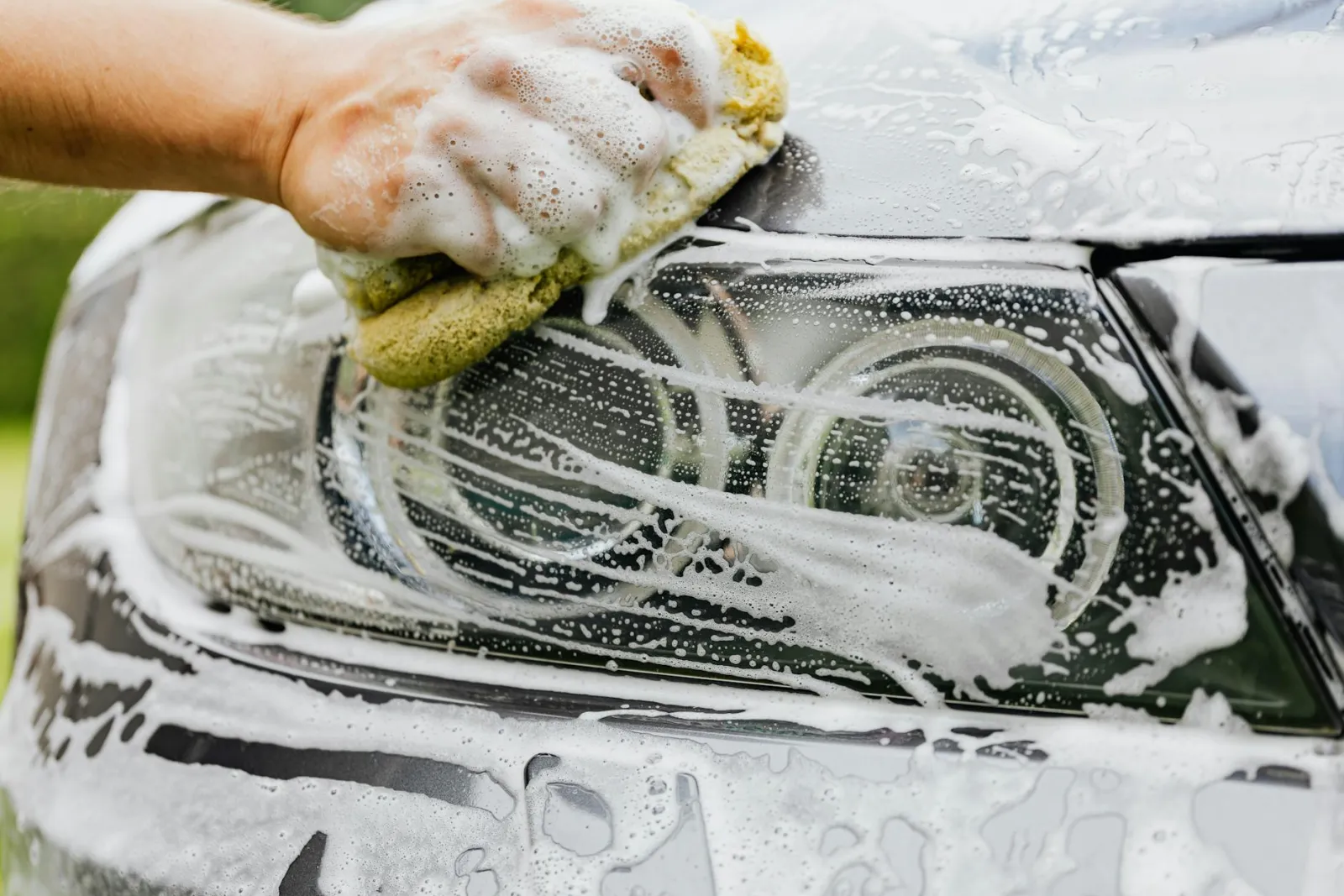
Protecting plastic cladding with PPF starts the same way any protection service does: a thorough decontamination wash and surface inspection. Plastic trim that already shows early-stage oxidation needs to be addressed before film goes on. Applying PPF over compromised plastic locks in the degradation rather than stopping it. If the plastic is still in sound condition, it needs to be clean, decontaminated, and free of any surface dressings that could interfere with adhesion.
Pattern cutting is more involved on cladding than on painted panels. The flares on a full-size truck often have undercuts, edge returns, and transitions to the wheel opening that require precise cuts to get the film to lay flat and seal at the edges. Lifting edges on cladding are more common with poorly fitted templates because the texture pattern creates points where adhesion is inconsistent. A shop using a computerized cutting system with vehicle-specific patterns reduces this risk substantially, but the final stretch and tuck work is still hand-fitting done on the vehicle.
After installation, the film needs time to cure and the adhesive to fully bond across the textured surface. This takes longer on textured substrates than on gloss painted panels because the contact area between adhesive and surface is smaller. Rushing the cure window is one of the more common reasons for edge lifting on cladding installs.
If the full vehicle is receiving paint correction and ceramic coating at the same time, cladding PPF is typically installed after the correction work but coordinated with the broader service sequence so panels are not disturbed after film is laid.
Long-term care and what to expect
Maintaining PPF on plastic cladding is not complicated. Standard hand washing with a neutral-pH soap is appropriate. Avoid silicone-based dressings applied directly on top of the film because they can affect the adhesive layer over time at the edges. The film does not need to be dressed or conditioned the way bare plastic does, which is part of its value: the maintenance burden drops substantially compared to bare cladding that needs regular application of plastic restorers to hold its appearance.
Over the lifespan of the film, minor surface scratches in the urethane will self-heal with heat from the sun or a heat gun applied carefully. Deeper abrasions are contained within the film layer and do not reach the plastic. When the film eventually reaches the end of its service life, it removes cleanly without damaging the plastic underneath, leaving trim that is in far better condition than it would have been with no protection.
The cost of protecting cladding with PPF is a fraction of what repainting or replacing faded panels costs. For trucks and SUVs in this region that see sustained UV exposure year-round, it is the more logical investment.
Scheduling a service
If your truck or SUV has unpainted plastic cladding that is still in good condition, now is the right time to protect it. If there is early surface fading, it is worth having an installer assess whether the material is still viable for film adhesion. EuroLuxe Detailing is at 11701 Holderrieth Rd in Tomball and can be reached at (936) 292-6056 to discuss what your specific vehicle needs and what coverage makes sense.
Unpainted plastic does not have to follow the standard timeline of oxidation and chalkiness. Film applied before degradation begins keeps cladding in factory condition for the duration of the vehicle’s ownership, and that is a more cost-effective outcome than any corrective treatment applied after the damage is already visible.