PPF for Off-Road Vehicles: Tacoma, 4Runner, Jeep Wrangler, and Bronco
Off-Road PPF Is a Different Game
When most people think about paint protection film, they think about protecting the hood and bumper from highway rock chips. That’s the standard street-car application, and it works perfectly for daily drivers.
But off-road vehicles face a completely different set of threats. Rocks aren’t just being kicked up by other vehicles at highway speed — they’re being flung by your own tires at close range. Branches scrape along side panels. Brush scratches fender flares. Trail debris hits from every angle, not just the front.
The priorities shift. The coverage areas change. And the vehicles themselves — Tacomas, 4Runners, Wranglers, Broncos, Raptors — have unique body panel geometries that affect where protection matters most.
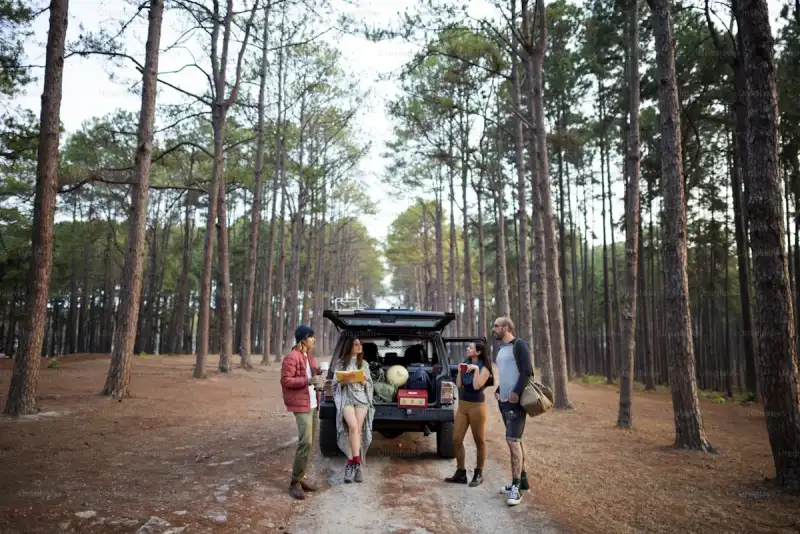
If you’re running trails at Sam Houston National Forest, heading to the Texas Hill Country, or even just taking ranch roads at speed, here’s how PPF actually works for off-road vehicles.
Trail Threats vs. Highway Threats
Understanding the difference between highway and trail damage explains why off-road PPF coverage looks different.
Highway Threats
Debris comes from the front, kicked up by other vehicles. Impact areas are predictable: front bumper, hood, fenders, headlights. The debris is mostly small (gravel, sand, concrete fragments) traveling at high relative speed.
Trail Threats
Debris comes from every direction:
- Below: Rocks kicked up by your own tires hit rocker panels, lower doors, and wheel wells at close range with high energy
- Sides: Branches, brush, and tall grass scrape along the full length of the vehicle
- Front: Rocks, sticks, and trail debris at lower speeds but from closer distances
- Above: Overhanging branches scrape the roof, A-pillars, and windshield surround
The debris is often larger (rocks, branches, logs) and the impact patterns are unpredictable. You can’t just protect the front and call it done.
Post-Trail Hazards
The damage doesn’t stop when you leave the trail. Mud with embedded sand and grit acts like sandpaper when it’s wiped off the vehicle. Dirt accumulation in panel gaps creates abrasion every time a door opens. Clay deposits dry and harden, requiring careful removal to avoid scratching.
Vehicle-Specific Protection Guides
Toyota Tacoma
The Tacoma is the most popular mid-size off-road truck in Texas. Its compact size makes it trail-capable, but that also means closer clearances to obstacles.
Priority protection areas:
- Rocker panels — The Tacoma’s rocker panels sit at perfect height for trail rock strikes. This is the single most important protection area for off-road use.
- Lower doors — Rocks cleared by the front tires ricochet off trail surfaces and hit the lower door panels with surprising force.
- Fender flares — TRD Off-Road and TRD Pro models have extended fender flares that catch brush and branches on narrow trails.
- Front bumper — Trail rocks and debris at the front, plus parking lot protection for the daily-driven Tacoma.
- A-pillars — Branches at windshield height slide along the A-pillar, creating scratches that are visible from the driver’s seat.
- Bed sides (behind rear wheel) — Rear tire debris hits the bed sides at close range, especially with mud terrain tires.
- Tailgate — Loading and unloading gear scratches the tailgate constantly.
TRD Pro specific: The TRD Pro’s exclusive paint colors (Lunar Rock, Solar Octane, etc.) are harder to match for touch-up or repaint. PPF preservation of these factory colors is especially valuable.
Toyota 4Runner
The 4Runner is the go-to family-capable trail rig. It’s bigger than the Tacoma, which means more body panel area to protect but also different exposure patterns.
Priority protection areas:
- Rocker panels — Even more critical than the Tacoma because the 4Runner’s taller body creates a larger gap between tire and rocker, allowing rocks to accelerate more before impact.
- Lower doors and lower rear quarter panels — The 4Runner’s slab-sided body presents a large target area for trail debris.
- Rear bumper — The 4Runner’s rear bumper sits at perfect height for obstacle contact during approach and departure angles.
- Front bumper and lower fascia — Especially on models without steel aftermarket bumpers.
- D-pillar area — The 4Runner’s distinctive rear quarter window area catches side debris on narrow trails.
- Hood — Highway commuting between trail runs exposes the hood to standard rock chip risk.
Lifted 4Runner consideration: Lift kits change the debris trajectory. With 2-3 inches of additional clearance, debris that previously hit the lower bumper now hits the lower doors and quarter panels at different angles. Reconsider your protection zones after any lift modification.
Jeep Wrangler and Gladiator
The Wrangler’s removable panels and unique body design create PPF opportunities (and challenges) that don’t exist on other vehicles.
Priority protection areas:
- Fender flares — The Wrangler’s bolt-on fender flares are the most exposed body panels on any off-road vehicle. They catch every branch, rock, and obstacle at the widest point of the vehicle. PPF on Wrangler fender flares is practically mandatory for trail use.
- Rocker panels — Critical, especially since many Wrangler owners run without rock rails initially.
- A-pillars and windshield frame — With the windshield folded down (which some owners do off-road) or just at trail speed, branches hit the windshield frame hard.
- Hood — The Wrangler’s flat, upright hood catches trail debris and highway rock chips equally.
- Doors (if running half doors or tube doors) — Auxiliary doors offer less protection to the body behind them. PPF on the body panels visible through open-style doors adds protection.
- Tailgate and spare tire carrier area — Rear impacts from backing into obstacles.
- Cowl area — The Wrangler’s cowl (where the hood meets the windshield) catches branch tips and trail debris at eye-watering frequency.
Jeep-specific alternative: MEK Magnet magnetic trail armor exists for Wranglers and Gladiators. These are magnetic panels that mount over the body panels during trail runs and remove afterward. They’re a complementary solution to PPF — MEK Magnets handle the heaviest trail abuse on specific panels, while PPF provides 24/7 protection everywhere else, including highway driving and parking lots.
Ford Bronco
The Bronco’s return has created a massive off-road community in Texas. The vehicle’s design — angular panels, prominent fender flares, and distinctive styling — creates specific PPF considerations.
Priority protection areas:
- Fender flares — Like the Wrangler, the Bronco’s fender flares are wide, prominent, and the first point of contact with trail obstacles. Sasquatch package flares are even more exposed.
- Rocker panels — The Bronco’s rocker area is wide and low, catching debris from both its own tires and trail obstacles.
- Lower doors — Especially on two-door models where the doors are larger relative to the body.
- A-pillars — Branch and brush contact zone.
- Front bumper — Modular bumper design means some sections are more exposed than others depending on your bumper configuration.
- Hood — Large, flat hood catches debris and is visible from the driver’s seat, making any chips psychologically annoying.
- Rear quarter panels — The Bronco’s rear quarters are prominent design elements that catch both trail debris and parking lot damage.
Bronco Raptor: The Raptor’s wider track and aggressive tire setup throws more debris at wider angles. Extended fender coverage and lower door protection become even more important.
Other Off-Road Vehicles Worth Mentioning
Ford Raptor (F-150 and Ranger)
The Raptor’s purpose is high-speed desert running. At desert speeds, debris impacts are closer to highway energy levels but from unpredictable angles. Full front PPF plus extended rocker panel and lower door coverage is the standard recommendation.
Chevrolet Colorado ZR2
The ZR2’s unique front end design with its protruding bumper catches debris effectively, but the lower body panels need attention. The Bison edition’s added skid plates protect the underside but leave the rocker panels and lower doors exposed.
Toyota Tundra TRD Pro
The full-size Tundra has more sheet metal to protect. Rocker panels are extremely long and exposed. Budget accordingly — PPF on a Tundra’s full rocker panels uses significantly more material than a Tacoma.
PPF vs. Alternative Off-Road Protection
PPF vs. Spray-On Bedliner (Line-X, Rhino Liner)
Spray-on bedliner provides the most rugged protection available. It’s virtually indestructible against trail impacts. But it has trade-offs:
- Permanently alters appearance — the textured black finish is permanent and can’t be removed without repainting
- Reduces resale value if applied to visible body panels — it signals hard off-road use to potential buyers
- Can’t be applied to all surfaces — not appropriate for hoods, fenders, or any panel where you want to maintain the factory paint appearance
Best use: Bed floor, inner fender wells, extreme underside areas
PPF advantage: Maintains factory appearance, is removable, and preserves resale value. PPF on a truck’s rocker panels looks invisible. Bedliner on the same panels looks like trail armor.
PPF vs. Magnetic Trail Armor
Products like MEK Magnet offer removable magnetic panels for Wranglers and Broncos. They mount for trail runs and remove for daily driving.
Best use: Heavy trail abuse on specific panels where you want maximum protection during off-road events
PPF advantage: Provides 24/7 protection including highway driving, parking lots, and daily exposure. Magnetic armor only protects when you remember to mount it.
The Hybrid Approach
Many serious off-road enthusiasts use a combination:
- PPF on all exposed body panels — rocker panels, lower doors, fenders, hood, bumper
- Spray-on bedliner on extreme impact areas — bed floor, skid plates, inner fender wells
- Magnetic trail armor for heavy trail days — added over PPF on the most vulnerable panels
This layered approach provides comprehensive protection without permanently altering the vehicle’s appearance. The PPF handles daily driving and moderate trail use. The magnetic armor adds a layer for serious off-road events.
The Texas Off-Road Factor
Texas off-road environments create specific PPF challenges:
- Sam Houston National Forest — pine branches, root-lined trails, sandy soil with embedded rock
- Hidden Falls Adventure Park — limestone rocks, tight trails, water crossings that throw grit
- Texas Hill Country — caliche (limestone gravel) roads, cedar branches, low water crossings
- Ranch roads — unpaved gravel roads at speed, cattle guards, brush clearance
- Beach driving (Bolivar Peninsula, Padre Island) — salt, sand, and shell fragments at speed
Each environment damages vehicles differently, but the common thread is that lower body panels — rocker panels, lower doors, and fender flares — take the most abuse across all Texas off-road environments.
Maintenance After Trail Runs
PPF makes post-trail cleanup safer for your paint, but proper technique still matters:
- Rinse first — pressure wash the vehicle to remove loose mud, sand, and grit before touching any surface
- Don’t wipe dry mud — dried mud with embedded grit acts like sandpaper. Always soak and rinse before contact washing
- Check PPF edges — inspect film edges on rocker panels and fenders for lifting caused by trail impacts or debris lodged under edges
- Clean panel gaps — remove accumulated dirt from door jambs and panel seams to prevent abrasion during normal use
- Pair with ceramic coating — ceramic over PPF makes post-trail cleanup dramatically easier. Mud and grit release more readily from a coated surface
Frequently Asked Questions
Where should I put PPF first on my off-road truck?
Rocker panels. Without question. On any off-road vehicle — Tacoma, 4Runner, Wrangler, Bronco, or Raptor — the rocker panels take the most abuse from trail debris kicked up by your own tires. After rockers, prioritize fender flares, lower doors, and front bumper. Hood and upper panels are secondary for trail protection but important if you also highway commute.
Is PPF durable enough for serious off-road use?
PPF is designed to absorb rock chip impacts at highway speed, so trail debris at slower off-road speeds is well within its capability. The film handles rock strikes, branch scrapes, and brush contact without issue. For extreme impacts (large rock strikes at speed), PPF may show a dent in the film but will prevent paint damage underneath. The film can be replaced on individual panels if it takes severe damage.
Should I get PPF before or after installing a lift kit?
Before the lift if possible, but the coverage zones should be re-evaluated after any lift. A 2-3 inch lift changes the angle at which debris hits body panels. What used to hit the lower bumper now hits the lower doors. Ideally, plan your PPF coverage based on your final build configuration — lift, tires, fender flares, and any body modifications.
Can PPF go over aftermarket fender flares?
Yes, PPF adheres to most aftermarket fender flare materials including ABS plastic, fiberglass, and composite. The surface needs to be clean and smooth. Textured or rough-surfaced flares may not hold PPF as well — in those cases, the texture itself provides some scratch resistance, and PPF may not be necessary.
How does PPF compare to spray-on bedliner for rocker panel protection?
Both protect the paint, but the trade-offs are different. PPF maintains factory appearance and is removable — the truck looks stock and retains full resale value. Spray-on bedliner provides more extreme impact protection but permanently changes the appearance and signals heavy use to buyers. Many owners choose PPF for visible panels and bedliner for hidden areas like the bed floor and underside.
Ready to protect your off-road rig? Get a free quote from EuroLuxe Detailing or call us at (713) 298-8819. We build custom PPF packages for Tacomas, 4Runners, Wranglers, Broncos, and every other trail-capable vehicle. Serving Tomball, The Woodlands, Spring, Magnolia, and the greater North Houston area.