
How to Remove Tar, Adhesive, and Sticker Residue from Car Paint Safely
The Stubborn Contaminants That Standard Washing Cannot Touch
Every vehicle picks up tar, adhesive, and various sticky residues that bond to the paint surface far too strongly for soap and water to remove. Road tar from freshly sealed highways is the most common culprit in the Houston area, where TxDOT and Harris County road crews apply sealant throughout the construction-heavy months from March through November. Dealer-applied sticker residue, parking permit adhesive, factory shipping film remnants, and tree sap share a similar stubbornness that leaves many car owners reaching for whatever solvent is closest at hand. In our years of detailing at EuroLuxe Detailing, we have seen more paint damage from improper removal attempts than from the contaminants themselves, which is why understanding the right products and techniques is essential before you start scrubbing.
Understanding What You Are Dealing With
Different contaminants require different approaches, and correctly identifying what is on your paint determines which product will be effective and safe. Road tar appears as small black or dark brown spots, typically concentrated on the lower panels, rocker areas, and rear wheel arches where tire spray flings it upward from the road surface. Adhesive residue from stickers, emblems, or protective shipping film leaves a clear or slightly yellowed tacky film that collects dirt and becomes progressively more visible over time. Tree sap, which is technically a resin rather than an adhesive, hardens into amber-colored droplets that bond aggressively with the clear coat and can etch into the surface if left for more than a few days in warm temperatures. Each of these requires a specific chemical approach rather than a one-size-fits-all scrubbing strategy.
Choosing the Right Solvent for the Job
The key to safe contaminant removal is selecting a solvent that dissolves the target substance without attacking the paint, clear coat, or any protective coating underneath. For road tar, dedicated tar remover products based on petroleum distillates or d-limonene are the most effective option, dissolving the tar on contact without requiring aggressive rubbing that would scratch the paint. Adhesive residue responds best to products containing naphtha or specialized adhesive removers that break down the polymer chains in the adhesive, allowing it to release from the surface with minimal physical effort. Isopropyl alcohol at 70 percent concentration works well for light sap removal and general sticky residues, and it evaporates cleanly without leaving its own residue behind, making it one of the most versatile and safe solvents in a detailer’s arsenal.
The Technique That Prevents Damage
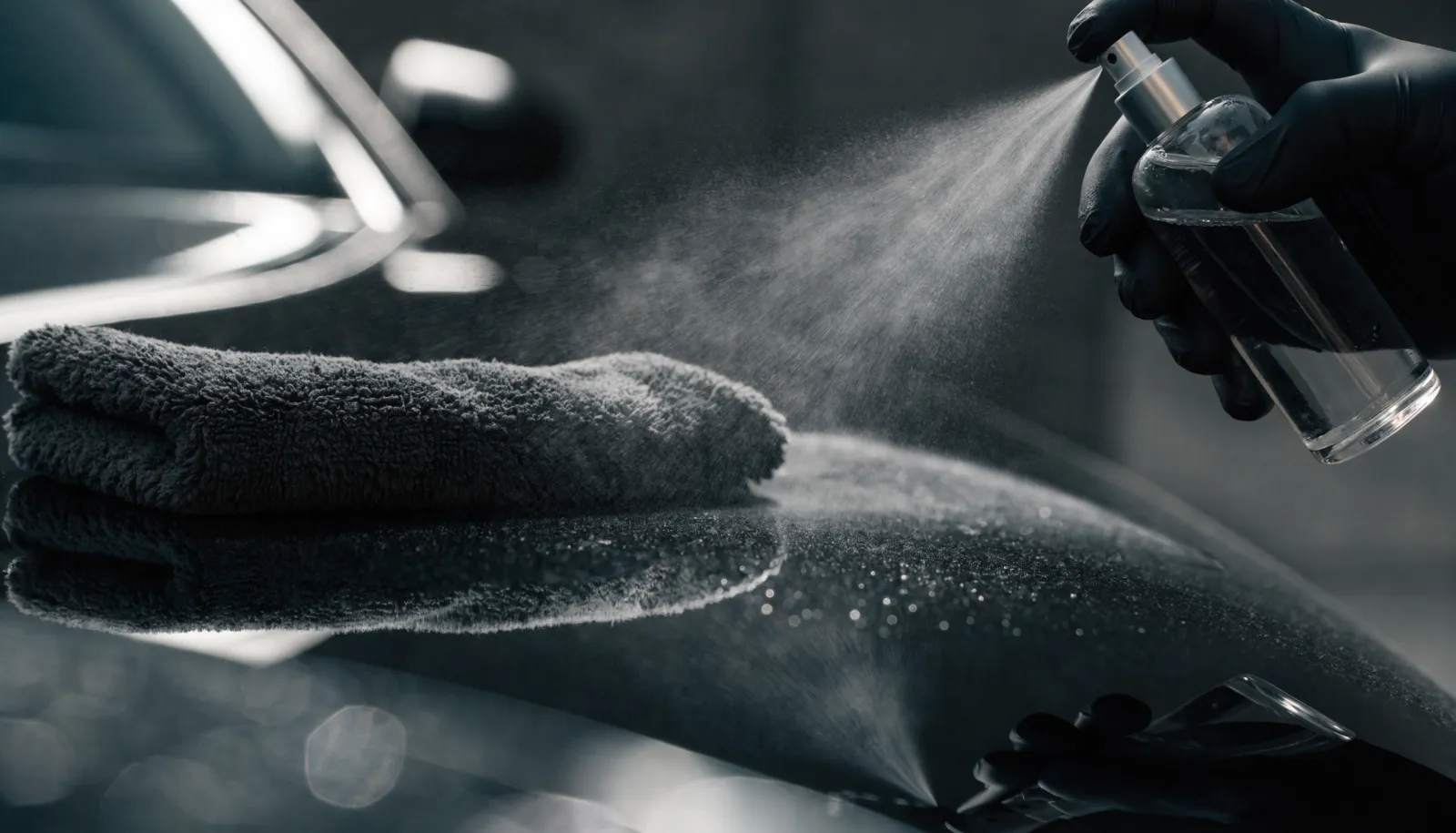
Having the right product is only half the equation; applying it correctly is what separates a clean removal from a scratched panel. Spray or apply the solvent generously to the affected area and allow it to dwell for 30 to 60 seconds before making any contact with the surface, giving the chemistry time to dissolve or soften the contaminant. When you wipe, use a clean, high-quality microfiber towel folded into quarters, applying light to moderate pressure and working in straight lines rather than circular motions. Flip to a fresh side of the towel frequently, as wiping dissolved tar or adhesive across the paint with a contaminated towel is essentially the same as rubbing an abrasive compound across the surface. For particularly stubborn spots, reapply the solvent and allow additional dwell time rather than increasing pressure, which is almost always the wrong response.
What NOT to Use on Car Paint
The internet and well-meaning friends will suggest a variety of household products for removing sticky residues from cars, and many of these suggestions will cause damage. WD-40 is commonly recommended and will technically dissolve some adhesives, but it leaves an oily film that is difficult to fully remove and can interfere with wax, sealant, and ceramic coating adhesion. Acetone and nail polish remover are aggressive solvents that will dissolve clear coat on contact, creating dull spots or worse depending on exposure time. Razor blades, even when used at a low angle, risk cutting through clear coat into the base coat on curved automotive surfaces, and a single slip creates a scratch that only paint correction or repainting can resolve. Goo Gone consumer formula, while safe on many household surfaces, contains orange oil compounds that can stain certain paint colors if allowed to dwell too long.
Impact on Ceramic Coatings and PPF
If your vehicle has a ceramic coating or paint protection film, contaminant removal requires extra consideration to avoid compromising your investment. Quality ceramic coatings like GYEON MOHS EVO actually make tar and adhesive removal easier because the coating prevents contaminants from bonding directly to the clear coat, so they release more readily with appropriate solvents. However, petroleum-based solvents and aggressive chemical removers can degrade the coating’s top layer if used frequently or allowed to dwell excessively, so apply them precisely to the contaminated area and wipe clean promptly. PPF from UltraFit is generally resistant to common tar removers and adhesive solvents, but always test any product on a small, inconspicuous area of the film first, as some aftermarket films have different chemical sensitivities.
When to Call a Professional
Some contamination situations genuinely require professional intervention, and recognizing when you are out of your depth saves both time and paint. If tar or adhesive has been baked onto the surface by Texas summer heat for weeks or months, the bond may be strong enough that safe DIY removal is impractical without risking damage from extended chemical exposure or excessive rubbing. Industrial fallout, which includes metallic particles, chemical overspray, and construction-related contaminants, often requires a combination of chemical decontamination and clay bar treatment that a professional shop can perform with controlled technique. When contaminants have already caused etching or staining that persists after the substance itself is removed, paint correction is necessary to restore the surface, and attempting to polish out damage without proper equipment and training creates more problems than it solves.
Prevention Is Always Better Than Removal
The most effective strategy for dealing with tar, adhesive, and sticky contaminants is reducing your paint’s vulnerability to them in the first place. A quality ceramic coating creates a sacrificial barrier that prevents contaminants from bonding directly with the clear coat, making removal faster, easier, and less risky. Paint protection film on lower body panels and rocker areas provides a physical shield against road tar in the zones where it accumulates most heavily. At EuroLuxe Detailing, we help Tomball and North Houston drivers build protection plans that address the specific contaminant challenges of driving in our area, from construction zone tar to industrial fallout from the refineries along the Ship Channel. Contact us for a quote and let us protect your vehicle before the next sticky situation finds your paint.