Auto detailing in Magnolia and Pinehurst, TX: what to know
Magnolia and Pinehurst sit on the western edge of the North Houston metro, straddling FM 1488 and FM 1774 in a corridor where subdivisions back up against working ranches, pine timber, and the FM roads that connect them. For most of the year, residents here commute east into The Woodlands or south into Cypress on two-lane farm-to-market roads that carry gravel trucks, tree service equipment, and heavy pickup traffic. That driving environment is not abstract—it puts a specific and persistent kind of stress on painted surfaces.
The combination of rural highway speeds, loose aggregate from shoulder breakup, and heavy canopy tree cover makes Magnolia one of the more demanding zones in the North Houston area for exterior paint. Tree sap, pine pollen, bird activity from heavily wooded lots, and the standing humidity that collects under that canopy during spring and fall create a maintenance burden that most owners underestimate until they start seeing etching and contamination on a car they thought was clean.
If you own a vehicle in this area and have not thought seriously about paint protection, this guide covers what the local conditions actually mean and what solutions are worth considering.
What the road network does to your paint
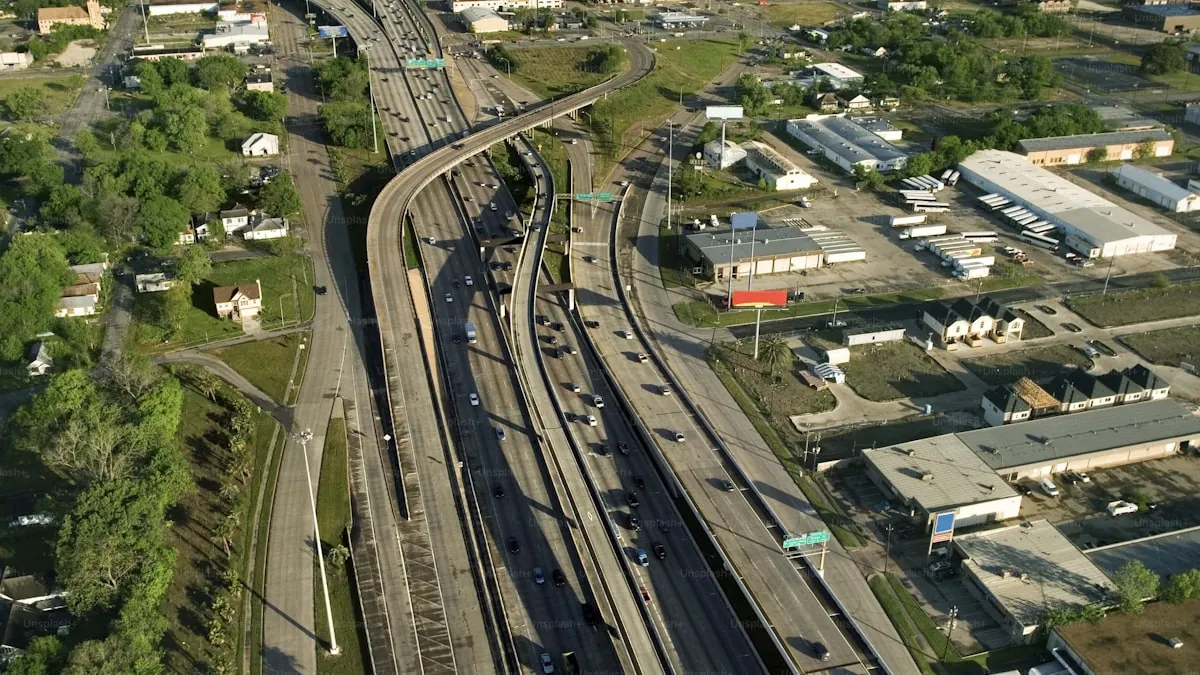
FM 1488 and FM 1774 are the main arteries for most Magnolia and Pinehurst drivers, and both carry aggregate trucks serving the sand and gravel operations west of town. The shoulders on these roads break down under heavy equipment traffic, and fine gravel migrates onto the travel lanes. At typical highway speed, that material becomes airborne debris that chips leading edges—hood, front bumper fascia, mirror caps, and the A-pillars.
Rock chips at this scale are cumulative. Each one is small on its own, but over a year of daily commuting on these roads, a vehicle can accumulate dozens of chips on the hood alone. Once the clear coat is broken, those chips begin to oxidize and widen. The only reliable way to stop the cycle is a physical barrier on the paint surface itself.
Paint protection film addresses this directly. A full front package—hood, fenders, front bumper, mirrors, and rocker panel protection—covers the surfaces that take the most impact. For drivers commuting daily on FM 1488, that coverage level is not luxury spending; it reflects the actual risk profile of the route.
Tree canopy, pollen, and what they leave behind
Magnolia’s tree canopy is one of its defining characteristics. For residents with wooded lots or homes near the old-growth timber areas off Spur 149 and the roads south of town, parking under or near trees is unavoidable for most of the year. What comes off those trees creates a chemistry problem for painted surfaces.
Pine sap is among the more aggressive organic contaminants paint encounters. Fresh sap can be removed with the right solvent-based product without damage, but sap that sits in Texas heat for even a day begins to bond with the clear coat. Left longer, it etches. The same applies to the sticky honeydew produced by aphids in oak canopies, which is common throughout this area in late spring and early summer.
Spring pollen from the local pine, oak, and cedar populations is also an issue beyond simple visual contamination. Pollen is acidic and hygroscopic—it holds moisture against the surface. During the extended pollen season in this part of Montgomery County, a car parked outside can accumulate a visible pollen layer within hours of washing. Repeated cycles of pollen deposit and moisture exposure accelerate clear coat degradation on unprotected paint.
A ceramic coating substantially changes how the surface handles these contaminants. The hydrophobic properties mean pollen and sap have less mechanical grip on the surface and are removed more easily before they can etch. For Magnolia residents who cannot avoid tree exposure, a coating is the most practical daily maintenance tool available.
Humidity and what it does to bare paint over time
Montgomery County sits in a humidity band that is consistently higher than what many people realize when they move here from drier parts of Texas. Magnolia averages high relative humidity through roughly nine months of the year, with the corridor between the Brazos bottomlands and Lake Conroe holding moisture longer than the more open terrain to the south.
For vehicles, sustained humidity means the metal and paint substrate are in a near-constant oxidation environment. Factory clear coat is designed to handle this, but it is not designed to handle it indefinitely without maintenance support. Paint that has minor surface scratches, swirl marks from automatic washes, or micro-marring from improper drying provides pathways for moisture to work under the clear coat. Over time, this produces the haze and cloudiness that precedes visible oxidation.
If a vehicle already has surface contamination or scratching before a protective service is applied, a paint correction step is necessary first. Sealing contaminated or swirled paint under a ceramic coating locks in the damage rather than protecting from future damage. Most vehicles that have been through commercial washes or improper hand washing for more than a year need at least light correction before coating.
Window tint in a wooded, high-UV environment
The tree canopy that shades residential lots in Magnolia provides limited protection once a vehicle is on the road. FM 1488 runs through open agricultural and commercial corridors for substantial stretches, and vehicles sitting in school pickup lines, at ranch supply stores, or in the parking lots along 1774 accumulate significant UV exposure through the glass.
Texas allows 25% VLT on front side windows and 25% on rear side and rear windows for passenger vehicles, with the front windshield permitting a tint strip above the AS-1 line. Ceramic window film at legal VLT levels rejects a meaningful portion of infrared heat and blocks close to 99% of UV-A and UV-B radiation. For vehicles with light-colored or leather interiors, this matters for the long-term condition of the upholstery as well as the comfort of occupants.
For residents driving with children in rear seating, rear window coverage is particularly worth considering given the extended time many families spend in vehicles during school-year commuting. The legal flexibility on rear windows gives more room to reduce heat load where occupants are directly exposed.
How to think about service sequencing
For a vehicle that has been driven in Magnolia without protection for a year or more, the right sequence is decontamination, paint correction if warranted, then protective services. Tint can be installed independently at any point, but film and coating have an order that matters: if you are stacking ceramic over PPF, the coating goes on after the film is cured.
For a new or near-new vehicle, the window for getting ahead of the damage is short. A vehicle that leaves the dealer and sits exposed for six months in this environment will need correction work before coating that a vehicle protected immediately would not. The cost savings of waiting rarely hold up against the additional prep work required later.
EuroLuxe Detailing is located at 11701 Holderrieth Rd in Tomball, roughly 20 to 30 minutes from most of Magnolia and Pinehurst via FM 2920 or SH 249. If you want to discuss what your vehicle specifically needs based on its age, condition, and how you use it, call (936) 292-6056 and Caleb can walk through the options with you before you book.
Magnolia is not a forgiving environment for unprotected paint. The road conditions, biological contamination from the canopy, and sustained humidity combine in a way that accelerates wear faster than many owners expect. Understanding what those conditions actually do—and which services address which threats—is the starting point for making a protection decision that holds up over time.