Auto detailing in Montgomery County, TX: a local guide
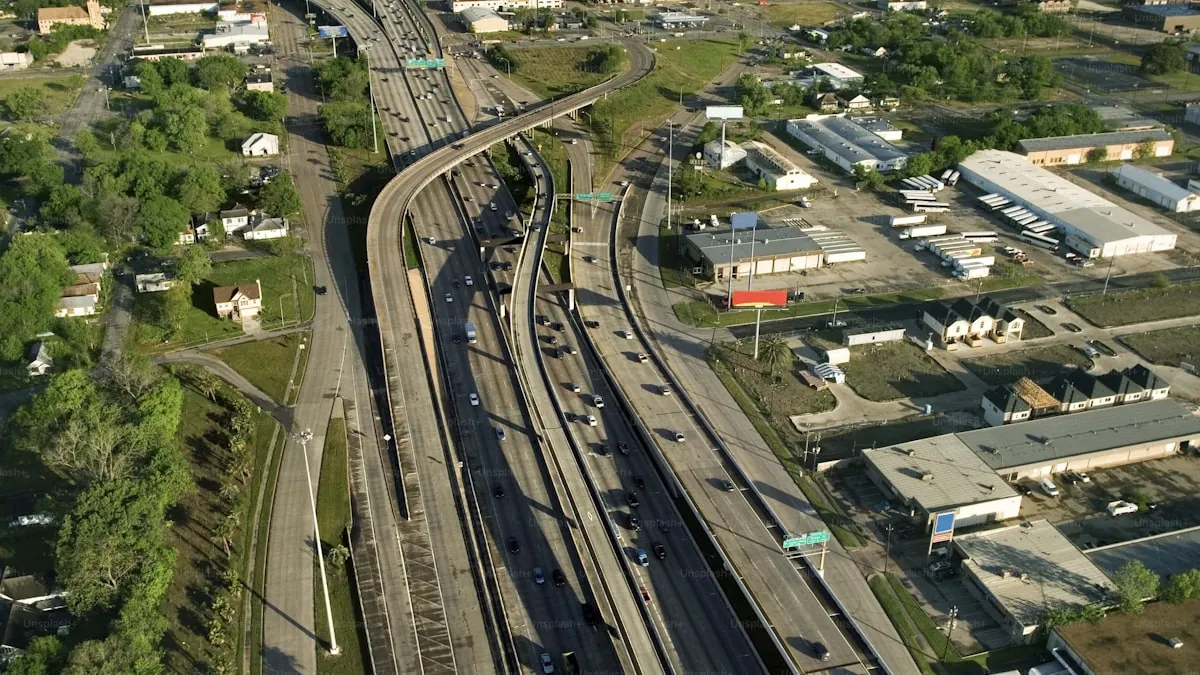
Montgomery County has grown steadily over the past decade, and the roads that come with that growth tell the story. State Highway 249, FM 1488, and the stretch of I-45 between Conroe and The Woodlands carry real traffic now — construction debris, road sand, and the kind of chip-inducing aggregate that shows up on any expanding suburban highway corridor. Drivers from Magnolia to Conroe to Panorama Village are putting serious miles on vehicles that, in most cases, represent a significant financial investment.
For owners who care about keeping those vehicles in good condition, the question is rarely whether to protect the paint — it is which protection makes sense and who has the skill to apply it properly. That question has a cleaner answer when you understand what the services actually do, and what separates a professional installation from a rushed one.
Why road conditions in this county matter for paint
Montgomery County sits at the northern edge of the Houston metro, which means it catches a range of weather patterns that the city proper sometimes avoids. Hail cells that push through in spring, pine sap and oak tannin from the Piney Woods edge, and the hard water that comes out of most residential hoses in the area all put consistent stress on exterior paint.
The county also has a higher-than-average proportion of new and late-model vehicles. The Woodlands, Conroe, Magnolia, and the areas around Tomball draw professional households where a truck or SUV purchase in the $60,000–$100,000 range is common. Those owners often discover, after their first Texas summer, that the factory clear coat alone is not enough to handle what the environment throws at it.
Rock chips start appearing on the hood and front bumper within weeks of purchase on any vehicle driven regularly on 249 or 1488. UV oxidation on the roof and trunk lid follows over months. By year two or three, a paint correction session may already be warranted — work that could have been avoided with early protection.
What paint protection film actually covers
Paint protection film is the most direct response to chip damage and road debris impact. A properly installed film creates a physical barrier between the clear coat and whatever comes off the road surface. The film absorbs the impact and, in the case of self-healing material, closes minor surface marks on its own when exposed to heat.
The practical question for most owners is how much of the vehicle to cover. A partial front package — hood, front fenders, bumper cover, mirrors, and A-pillars — addresses the panels that take the highest volume of impact from highway driving. A full-front package extends that coverage further back on the hood and fenders. Full-body coverage protects every panel from both road debris and incidental contact in parking situations.
At EuroLuxe, we install UltraFit paint protection film on every vehicle that comes through the door for this service. The material cuts and conforms precisely to each panel, and the installation happens in a climate-controlled bay that keeps dust contamination out of the film edges during application. That detail matters more than most owners realize — edge lifting and contamination under the film almost always trace back to environment and surface prep, not the film itself.
How ceramic coating fits into a North Houston protection plan
Ceramic coating does not stop rock chips. That distinction matters because some owners come in expecting it to function the way film does. What a properly applied ceramic coating does is create a durable, chemically bonded layer over the clear coat that resists UV degradation, repels water and road contamination, and makes routine washing dramatically easier.
For Montgomery County drivers who park outdoors, have vehicles that accumulate heavy pollen in spring and tree debris in summer, or simply want to maintain a cleaner vehicle without dedicating three hours to it on a Saturday, a ceramic coating is one of the most practical long-term investments available.
Gyeon ceramic coatings are the product we use at EuroLuxe. The formulation holds up in high-UV environments, and the hydrophobic properties remain functional for years under normal maintenance conditions. Paint correction should be completed before any ceramic coating application — a coating locks in the surface it is applied to, including swirl marks and fine scratches that will become more visible once the coating enhances gloss.
Paint correction for vehicles in this area
Swirl marks and buffer trails are common on vehicles that have been through automatic washes, dealer lot preparation, or years of improper hand washing. On dark-colored vehicles — black, navy, deep green — these marks are visible in direct sunlight and raking light in a way that diminishes the appearance of an otherwise clean car.
Paint correction uses abrasive compounds and machine polishing to cut through the surface of the clear coat and remove those defects. Done correctly, it restores clarity and gloss that the paint had when it left the factory. Done incorrectly, it removes too much clear coat, introduces new machine marks, or leaves compound residue in panel gaps and trim.
The correction work we do at EuroLuxe in Tomball serves vehicles from across the county — Conroe, The Woodlands, Spring, Cypress, Magnolia, and Kingwood owners regularly bring their vehicles to us for single-stage and multi-stage correction, often as part of a larger protection package that includes film or coating afterward.
Window tinting in a county that runs hot
Montgomery County averages over 200 days of meaningful sun per year, and the interior temperatures that build up in parked vehicles are well-documented. A black interior in a vehicle parked outside in July can reach temperatures that accelerate material aging, cause dashboard cracking, and make the first few minutes of driving genuinely uncomfortable.
Ceramic window tint reduces solar heat gain through the glass without the significant visible light loss that older dyed films created. Drivers can maintain reasonable outward visibility while cutting UV transmission to near zero and reducing interior heat load substantially. Window tinting at EuroLuxe uses ceramic film across all our packages, and we cut every application to fit the glass precisely rather than using pre-cut kits that may not conform correctly to curved rear glass.
What to look for when choosing a shop
Any serious detailing or paint protection shop in this area should be able to answer direct questions about what brand of film they install, whether their installation environment is climate controlled, and what their surface prep process looks like before a ceramic coating or film application. Vague answers to any of those questions should prompt more questions.
Check whether the shop corrects paint before coating or installs film over uncleaned panels. Ask how they handle edge sealing on PPF and what their process is if a section lifts within the first year. A shop that cannot answer those questions with specifics is not operating at a professional level, regardless of what their pricing looks like.
Serving Montgomery County from Tomball
EuroLuxe Detailing is located at 11701 Holderrieth Rd in Tomball, which puts us within a reasonable drive of most of Montgomery County — Conroe, The Woodlands, Magnolia, Spring, Cypress, and the surrounding communities. Caleb Vasquez runs the shop, and the work is done in-house in a dedicated installation bay built to hold consistent temperature and humidity during service. If you want to talk through a protection package for your vehicle before booking, call us at (936) 292-6056.
Owners who take the time to understand what their vehicle actually needs before committing to a service consistently get better results — not because they spend more, but because they choose the right combination of protection for how they use the vehicle and where they drive it.