
Can You Ceramic Coat a New Car? (Yes — and You Should)
The Best Time to Coat Is Day One
The ideal time to apply ceramic coating is as soon as possible after purchasing a new vehicle. New paint is in its best possible condition — no UV damage, no swirl marks from years of washing, no chemical etching from bird droppings. Coating it now locks in that factory-fresh finish.
Every day you drive without protection, your paint is accumulating damage that will eventually need to be corrected before coating. The longer you wait, the more preparation work (and cost) is required.
New Car Paint Isn’t Perfect
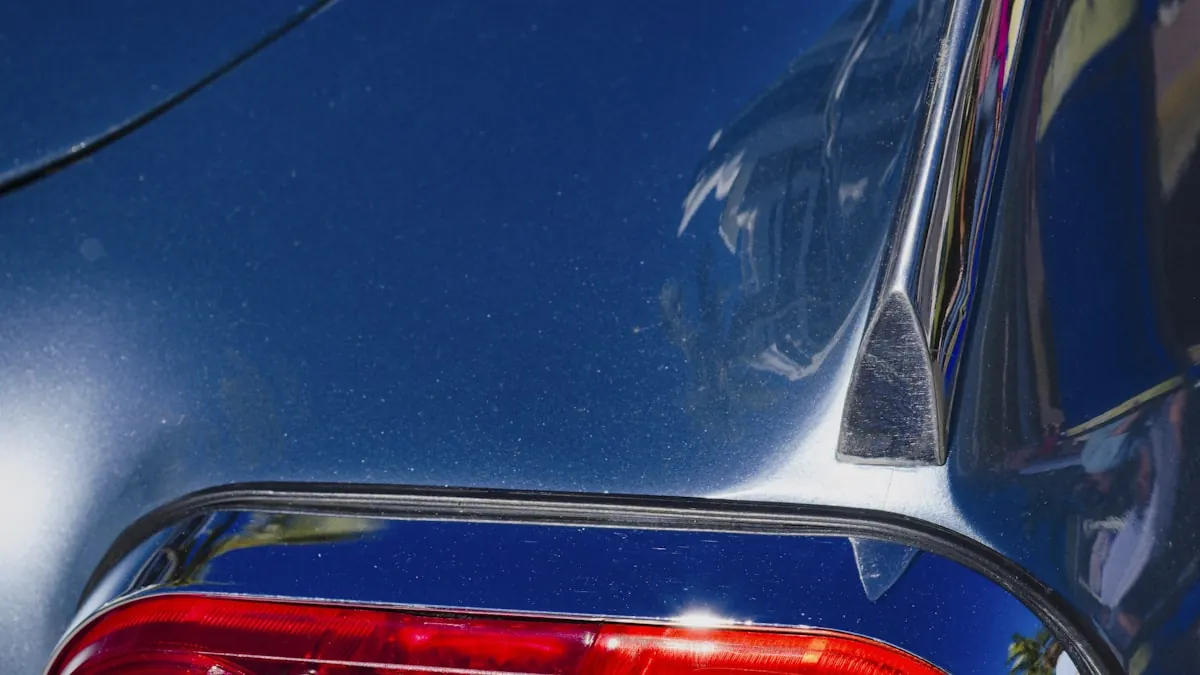
Here’s something most new car owners don’t realize: dealership-delivered paint is rarely in perfect condition. During transport from the factory, vehicles are exposed to rail dust, road debris, and industrial fallout. At the dealership, they’re often “prepped” with automated buffers and quick-detail sprays that introduce swirl marks.
Before we coat any vehicle — new or used — we perform a thorough paint inspection under specialized lighting. Most new vehicles have:
- Light swirl marks from dealer prep
- Water spots from sitting on the lot
- Minor scratches from transport
- Contamination from rail dust or tree sap
These need to be addressed before coating. On a new vehicle, this is typically a single-stage polish — much less work than what a 3-5 year old vehicle requires.
What About Dealer-Applied Coatings?
Many dealerships now offer ceramic coating as an add-on, typically for $500-1,500. Here’s the problem: these are usually spray-on sealants applied by the detailing staff (not certified ceramic coating installers) without proper paint correction first.
The coating is applied over the dealer-induced swirl marks, sealing them in permanently. And the product itself is typically a consumer-grade spray sealant — not a true ceramic coating.
If the dealer has already applied their “ceramic coating,” we can assess the situation. In most cases, we’ll need to remove what they applied, correct the paint, and start fresh with a professional-grade product.
The New Car Coating Process
Step 1: Inspection
We examine every panel under high-intensity LED lighting to identify defects, contamination, and areas that need correction.
Step 2: Decontamination
Chemical decontamination removes bonded contaminants like rail dust and industrial fallout. A clay bar treatment addresses anything the chemicals didn’t remove.
Step 3: Light Polish
A single-stage machine polish removes any dealer-induced swirl marks and creates a perfectly smooth surface for the coating to bond to.
Step 4: Panel Wipe
An IPA (isopropyl alcohol) wipe removes any polish residue and oils, ensuring a clean surface for maximum coating adhesion.
Step 5: Coating Application
The ceramic coating is applied panel by panel, leveled, and allowed to flash before additional layers are added. Most new vehicles receive 2-3 layers.
Step 6: Cure
The vehicle stays in our controlled environment for 24-48 hours while the coating fully cures and hardens.
What About PPF + Ceramic Coating?
For new vehicle owners who want maximum protection, the gold standard is PPF on high-impact areas with ceramic coating over everything. The PPF handles physical damage (rock chips, scratches), and the ceramic coating handles chemical and UV protection.
This combination is especially popular with:
- Trucks and SUVs that see highway driving on I-45 and Highway 249
- Dark-colored vehicles that show every defect
- Leased vehicles where paint condition affects end-of-lease charges
- Any vehicle being purchased as a long-term investment
Cost Savings of Early Coating
Coating a new vehicle is typically $200-500 less than coating a used vehicle because:
- Less paint correction needed (single-stage vs. multi-stage)
- Fewer contaminants to remove
- No existing damage to work around
- Faster total turnaround time
The earlier you coat, the less you pay — and the more years of protection you get from the investment.
Don’t Wait
Every week your new car sits unprotected, it accumulates UV damage, environmental contamination, and wash-induced swirl marks. The paint will never be in better condition than it is right now.
Request a quote for new vehicle ceramic coating and we’ll get your investment protected before the Texas sun starts its work.