Ceramic Coating Cure Time and Houston Humidity: What You Need to Know
Houston is a great market for ceramic coatings — the UV intensity, acid rain, tree sap, and road contaminants make long-term protection a practical investment here. But Houston’s humidity creates a real variable that most people don’t factor in when they’re comparing shops or trying to understand what they’re paying for.
Getting a ceramic coating applied in the wrong conditions doesn’t just produce subpar results. It can produce a coating that looks fine initially but fails early, develops high spots or hazing, or bonds unevenly to the paint. Understanding why gives you a better basis for evaluating where to get the work done.
How Ceramic Coatings Cure
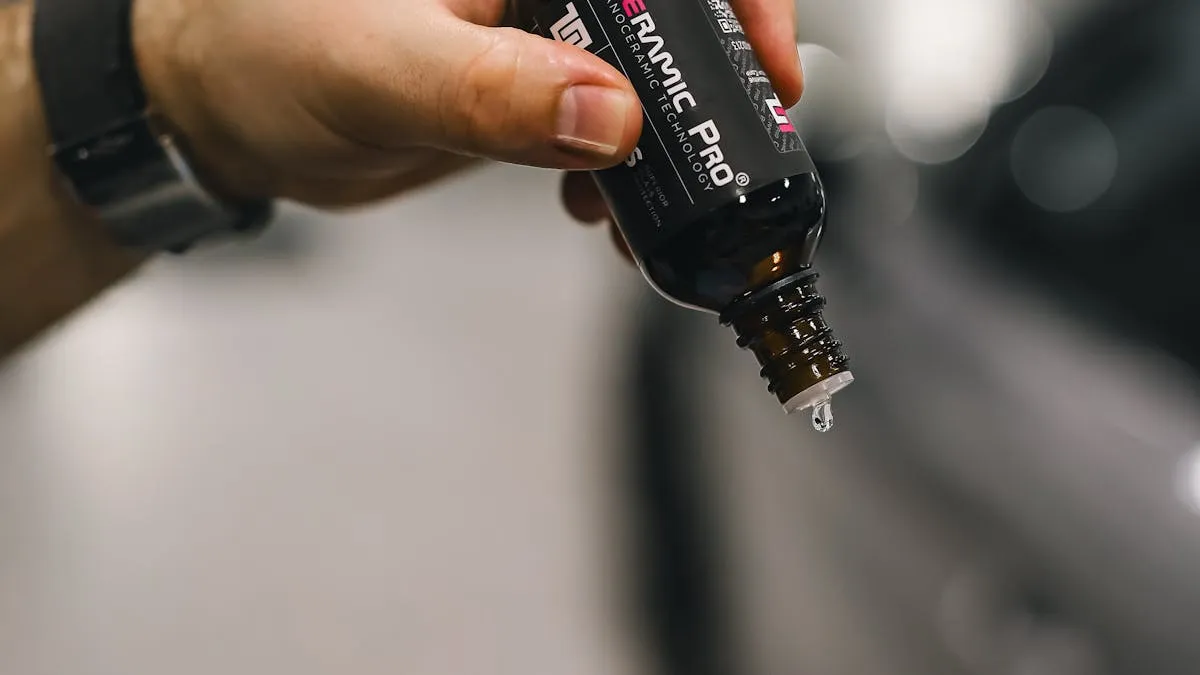
Most professional-grade ceramic coatings — including GYEON MOHS EVO, which we use at EuroLuxe — are silica-based (SiO2) or silica-titanium hybrid formulations. The curing process is a chemical reaction between the coating chemistry and atmospheric moisture. The coating doesn’t dry like a wax — it polymerizes. The Si-OH groups in the coating react with surface hydroxyls and ambient water vapor to cross-link and form the hard glass-like matrix that bonds to the paint.
The polymerization reaction is highly sensitive to two things: temperature and humidity.
The Ideal Temperature and Humidity Window
Most professional ceramic coatings have an application window of roughly 50–85°F and 40–70% relative humidity for optimal results. Within that range, the curing reaction proceeds at a controlled rate — fast enough for the coating to set properly, slow enough to work the product correctly across each panel.
Outside that window, things get complicated.
Too hot (above 85–90°F): The coating flashes too quickly. You don’t have time to work it into the surface and level it before it starts setting. The result is high spots — areas where the product built up and hardened before being properly leveled — which show up as streaks or uneven sheen under light. These require re-polishing to remove and start over, which is a significant setback in an already time-intensive job.
Too cold (below 50°F): The polymerization reaction slows significantly. The coating takes much longer to set, increasing the chance of dust contamination, and may not fully cross-link in a reasonable timeframe. In very cold conditions, the reaction can stall partially, producing a coating with weaker bond strength than it should have.
Too humid (above 75–80% RH): The coating reacts with ambient water vapor too aggressively and can begin curing before it’s properly worked into the surface. This produces a hazy, smeared finish and inconsistent cure. In worst cases, you end up with a coating that looks cloudy and requires removal.
Too dry (below 30–35% RH): The opposite problem — without enough ambient moisture, the polymerization reaction moves too slowly and may produce incomplete cross-linking. More of an issue in arid climates, but relevant in Houston during the occasional dry cold front.
Houston’s Specific Challenge
Houston’s average relative humidity is 75% or higher for a significant portion of the year. Summer afternoons regularly hit 80–90% RH even when it isn’t actively raining. In the fall and spring, you can get days where humidity swings from 50% in the morning to 85% by early afternoon.
Without a controlled environment, applying a ceramic coating in Houston in the summer is essentially gambling on conditions. A detailer working out of an open bay on a July afternoon is working with whatever the ambient humidity is — and it’s likely outside the safe range.
This is one reason why “mobile ceramic coating” services carry real risk in this climate. Even if the detailer is skilled and uses quality product, if they can’t control the temperature and humidity in the workspace, the results will be inconsistent.
How Professional Shops Control the Environment
A properly equipped installation shop has HVAC in the bay that maintains temperature and humidity within the coating manufacturer’s specified range, regardless of outdoor conditions. This means:
- Climate-controlled bays that can dehumidify in summer and heat in winter
- Hygrometers and thermometers to monitor conditions throughout the application process
- The ability to run the application at the right time of day if full climate control isn’t available (typically early morning, before peak humidity)
- Proper air filtration to minimize dust contamination during the initial cure phase
At EuroLuxe, we do not apply ceramic coatings outside the product’s specified temperature and humidity window — period. If conditions aren’t right when a vehicle comes in, we reschedule. It’s not worth compromising the result.
What Happens After Application
The initial cure — where the coating becomes tack-free and can tolerate light contact — typically takes 12–24 hours. The full hard cure, where the coating reaches its maximum hardness and chemical resistance, takes 7–14 days depending on conditions.
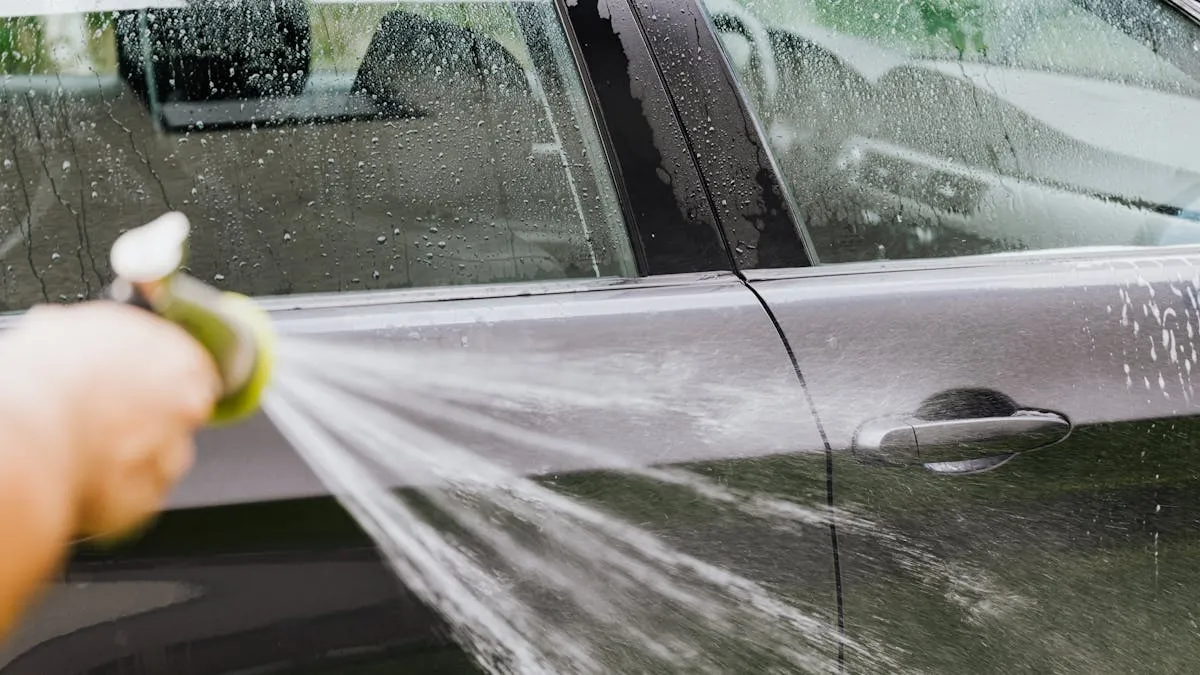
During the first 24 hours, the vehicle needs to stay dry. No rain, no washing, no heavy dew. After that initial window, the coating can handle light moisture, but full chemical resistance and hardness builds over the following week or two.
In practical terms: if you get a coating applied in August in Houston and the shop tells you it’ll be ready to wash in 12 hours, that’s not wrong — but the coating won’t be at full hardness for another 1–2 weeks. Treat it gently during that window.
Why This Matters When You’re Comparing Shops
When you’re evaluating shops for a ceramic coating application, asking about their environment controls is a reasonable and telling question. A shop that applies coatings in an uncontrolled environment, or can’t tell you what temperature and humidity they work within, is skipping a step that directly affects the longevity and appearance of the work.
A quality coating applied correctly in controlled conditions will last 2–5 years with proper maintenance. The same coating applied in poor conditions may look fine at pickup but fail in 12–18 months. At that point, you’ve paid for a full coating job and got a fraction of the lifespan.
Call us at 936-292-6056 to talk through what a proper coating application looks like and what to expect for cure time and maintenance.
Keep Your Vehicle Looking Its Best
How Long Does Ceramic Coating Last?
Ceramic Coating Myths
How to Wash a Ceramic Coated Car