How to tell if a scratch can be polished out or not
Almost every owner who finds a fresh scratch on their car asks the same question: can that be buffed out. The honest answer is that it depends entirely on how deep the scratch goes, and there is a simple way to get a rough read on that before you ever talk to a detailer. The whole question comes down to a single fact about how your paint is built. Most modern vehicles wear a clear coat layer over the colored base coat, and that clear coat is the only part of the finish a polisher can safely work with. A scratch that lives inside the clear coat can usually be corrected. A scratch that has cut through it cannot be polished out, because the damage now reaches a layer that polishing cannot touch.
Understanding where a scratch sits in that layering is the difference between an easy fix and a misunderstanding about what correction can do. It also explains why two scratches that look nearly identical from a few feet away can have completely different answers. One catches the light and disappears under a buffer. The other is permanent until paint is involved.
The fingernail test and what it measures
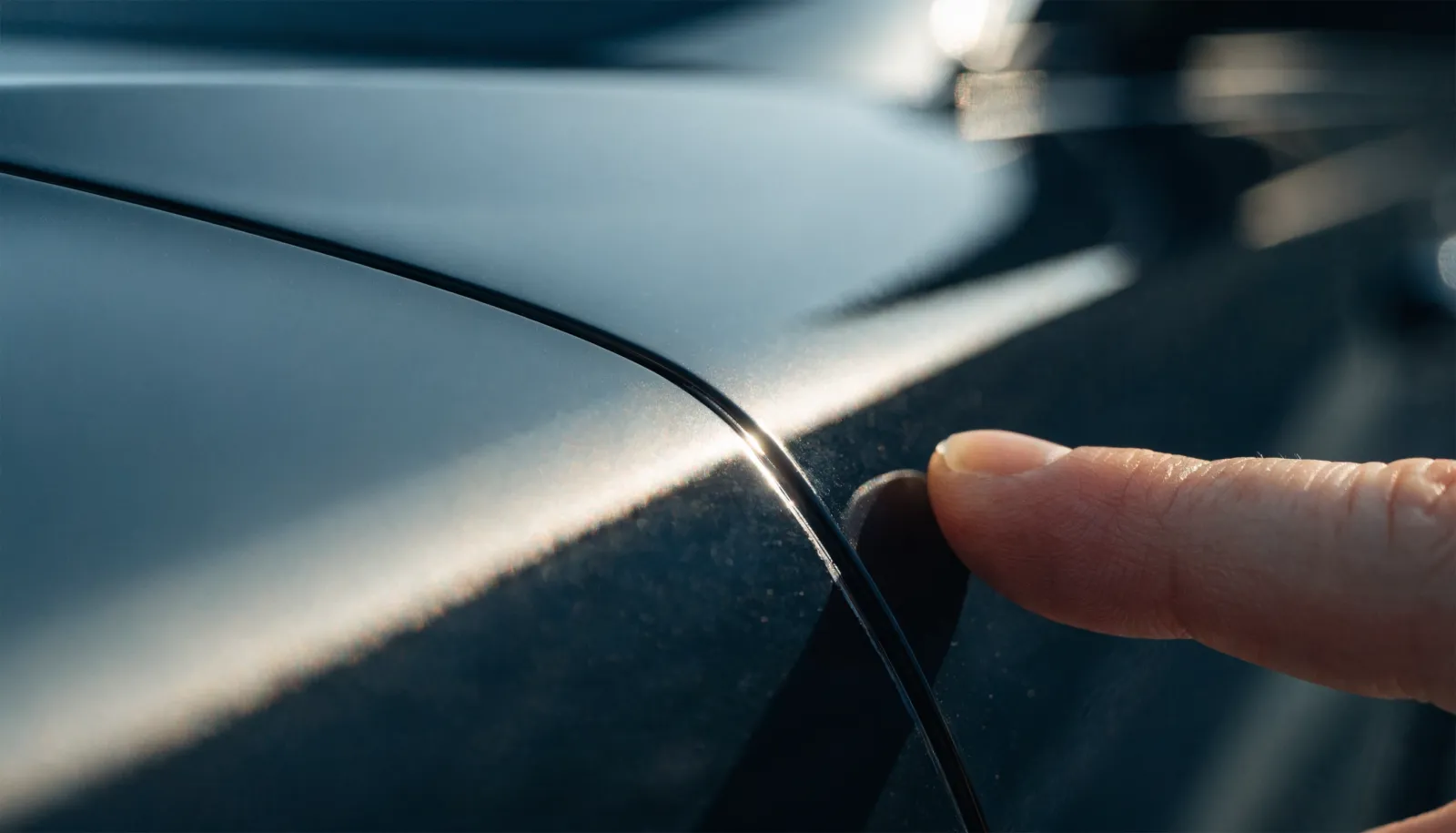
The most useful at-home check costs nothing and takes a few seconds. Run your fingernail gently across the scratch, moving perpendicular to it. If your nail glides over the mark without catching, the scratch is shallow and sits inside the clear coat. That kind of scratch is a strong candidate for removal through polishing. If your nail catches in the groove, the scratch has cut deep enough that it likely reaches the base coat or the primer below it, and no safe correction will erase it.
This works because polishing removes a thin, measured amount of clear coat to bring the surrounding surface level with the bottom of the scratch. When the scratch is shallow, there is enough clear coat above the damage to level it away without exposing the color layer. When the scratch is deep, leveling it would mean grinding through the clear coat entirely, which is not something a responsible installer will do. The fingernail test is a quick proxy for that depth, and while it is not as precise as a paint depth gauge, it gives most owners a reliable first answer.
There is a middle category worth mentioning. Some scratches catch a fingernail lightly but have not fully penetrated the clear coat. These are the judgment calls, and they are exactly where a professional inspection earns its value. A detailer can read the scratch under angled light, measure the surrounding clear coat thickness, and decide whether there is enough material to work with safely. That kind of read is the foundation of any honest paint correction plan.
Why clear coat is a finite budget
The reason correction has limits is that clear coat is not an unlimited resource. Factory clear coat is thin, often measured in fractions of a thousandth of an inch, and every correction removes a small portion of it. A car has only so much clear coat to give before the layer becomes too thin to protect the paint beneath it. This is why a quality installer treats correction as a budget to be spent carefully, not a process to be repeated endlessly.
A scratch that sits halfway through the clear coat can usually be removed, but doing so spends a meaningful slice of that budget on a single defect. A network of light swirl marks across the whole car, by contrast, sits near the surface and costs very little clear coat to correct. This is part of why a detailer cares about the type of damage, not just the amount. Shallow, widespread defects are cheap in clear coat terms. Deep, isolated scratches are expensive, and some are not worth the trade.
When a scratch has gone all the way through to the color coat or the primer, polishing is off the table completely. At that point the options shift to paint work: touch-up for small chips, or a body shop respray for larger areas. A good detailer will tell you plainly when a scratch has crossed that line, because trying to polish a through-clear scratch only thins the surrounding paint without fixing the problem. Knowing the limit protects your finish.
The scratches people misjudge most often
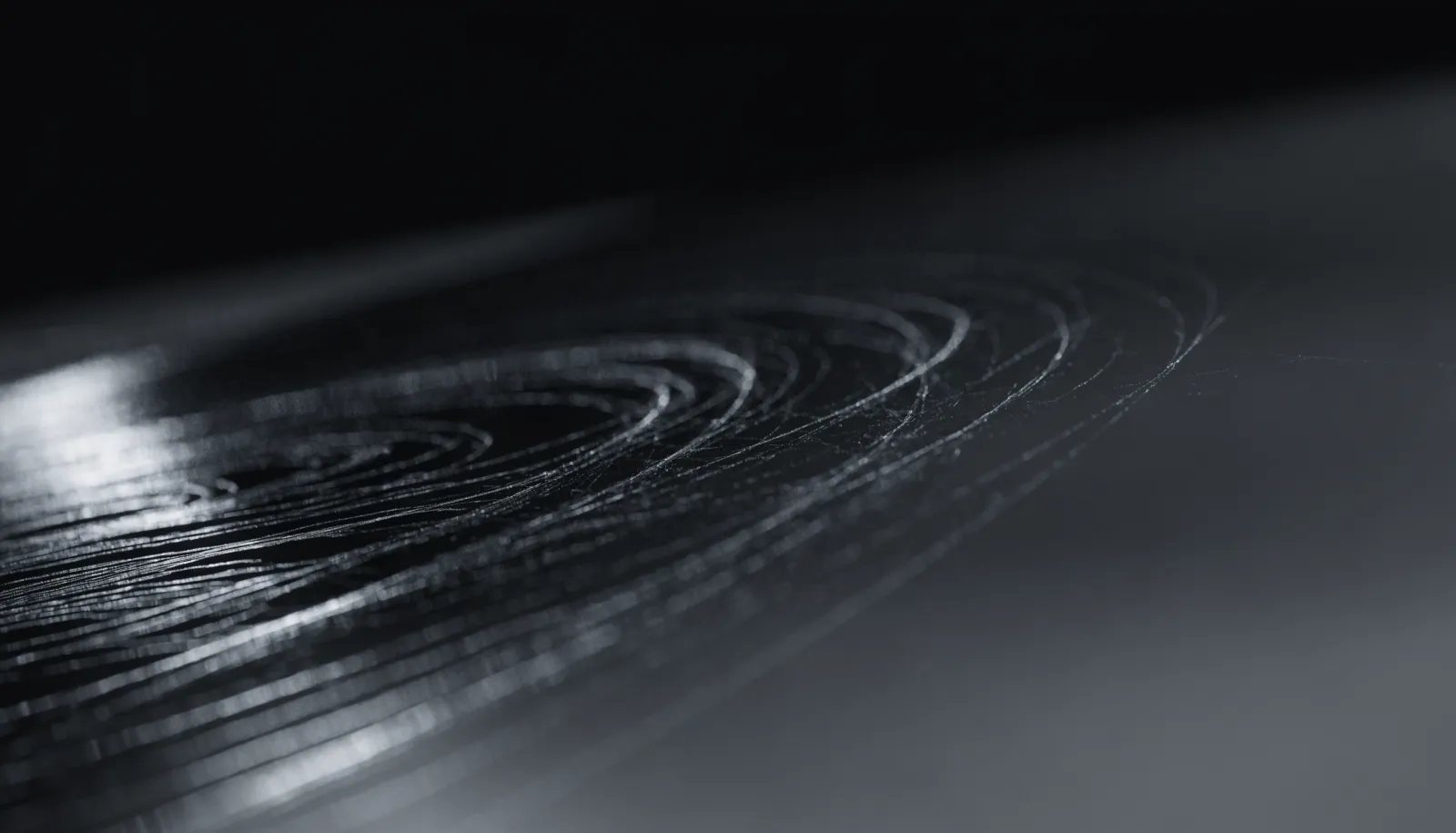
A few kinds of damage routinely fool owners into thinking the worst when the fix is actually straightforward. Light wash scratches and swirl marks, the fine cobweb pattern you see on a dark car under a parking lot light, look alarming but almost always live in the top of the clear coat. They are some of the most satisfying defects to correct because they vanish completely and the gloss returns immediately. Many owners assume their paint is ruined when it just needs a single corrective pass.
The opposite mistake happens with what people call a scratch that is really a scuff or a mark transferred from another surface. A shopping cart, a door edge, or a bumper tap can leave a streak of foreign material on your clear coat without actually scratching it. These transfer marks often wipe away or polish off easily because the clear coat underneath is intact. Before assuming a mark is permanent, it is worth having it looked at, because a surprising number of alarming-looking lines are surface deposits rather than true scratches.
The genuinely deep scratches, the kind that catch a nail firmly and show a different color at the bottom of the groove, are the ones to take seriously. Those have reached the color or primer and will not come out under a buffer. A correction can clean up and refine the area around them, which makes the scratch far less visible, but the scratch itself stays until it is addressed with paint. Setting that expectation up front is what separates an honest assessment from an oversold one.
Getting a real answer for your car
The fingernail test gives you a useful first read, but the reliable answer comes from an inspection under proper lighting by someone who can measure what the gauge cannot show by feel. A detailer evaluating your paint will check the depth of the clear coat, identify which defects are correctable and which are not, and tell you what the realistic result will look like before any work begins. Booking an assessment is the right starting point whether you have one frustrating scratch or a finish full of swirls, and it costs nothing to find out where your paint stands.
At EuroLuxe, Caleb Vasquez inspects the paint and reads each defect before recommending a correction approach, so the plan matches what the surface can actually support. If you have a scratch you have been wondering about, or paint that has lost its clarity, call EuroLuxe at (936) 292-6056. The studio is at 11701 Holderrieth Rd in Tomball, and the assessment is honest about what correction can fix and what it cannot.
A scratch is only as serious as it is deep. Most of the marks that worry owners turn out to be shallow clear coat defects that come out cleanly, and the few that are genuinely deep are easy to identify once you know what to feel for. Knowing the difference before you spend money on correction means you get the right fix for the actual damage, not a fix for the way the damage looked.