Why every honest paint correction starts with a test spot
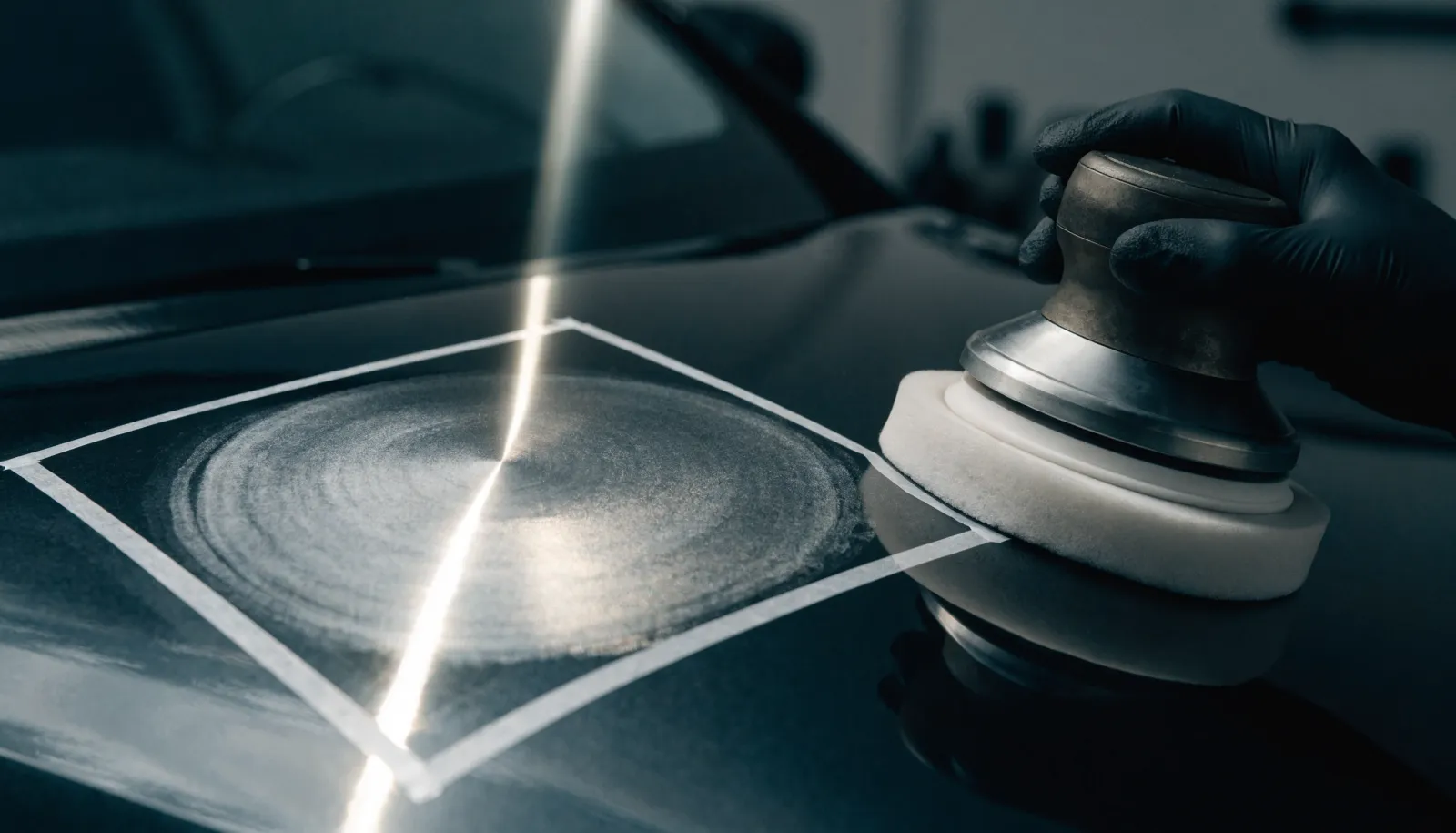
Ask a serious detailer how they price a paint correction and the honest ones will tell you the same thing: they cannot give you a final number until they have run a test spot on your actual car. That answer frustrates some owners who want a flat quote over the phone, but it is the right answer, and it is one of the clearest signals you have that the person touching your paint knows what they are doing. A test spot is a small, controlled section of paint, usually a square foot or two, that a detailer corrects fully before committing to the rest of the vehicle. It is the diagnostic step that determines everything that follows.
The reason it matters is simple. No two cars respond to correction the same way, even two of the same model in the same color. Paint hardness varies by manufacturer, by paint batch, and by where the panel was sprayed. The depth of the defects varies by how the car was washed and stored. The only way to know how aggressive the process needs to be, and how much improvement is realistically possible, is to do the work on a small area first and read the result. Everything else is a guess.
What a test spot actually tells the installer
When a detailer tapes off a test section and runs a polishing pass on it, they are gathering several pieces of information at once. The first is how the clear coat cuts. Some factory paints are hard and resist abrasion, which means a more aggressive pad and compound combination is needed to level defects. Other paints are soft and correct quickly but mar easily, which changes the finishing approach. You cannot tell hardness by looking at a panel. You learn it by working it.
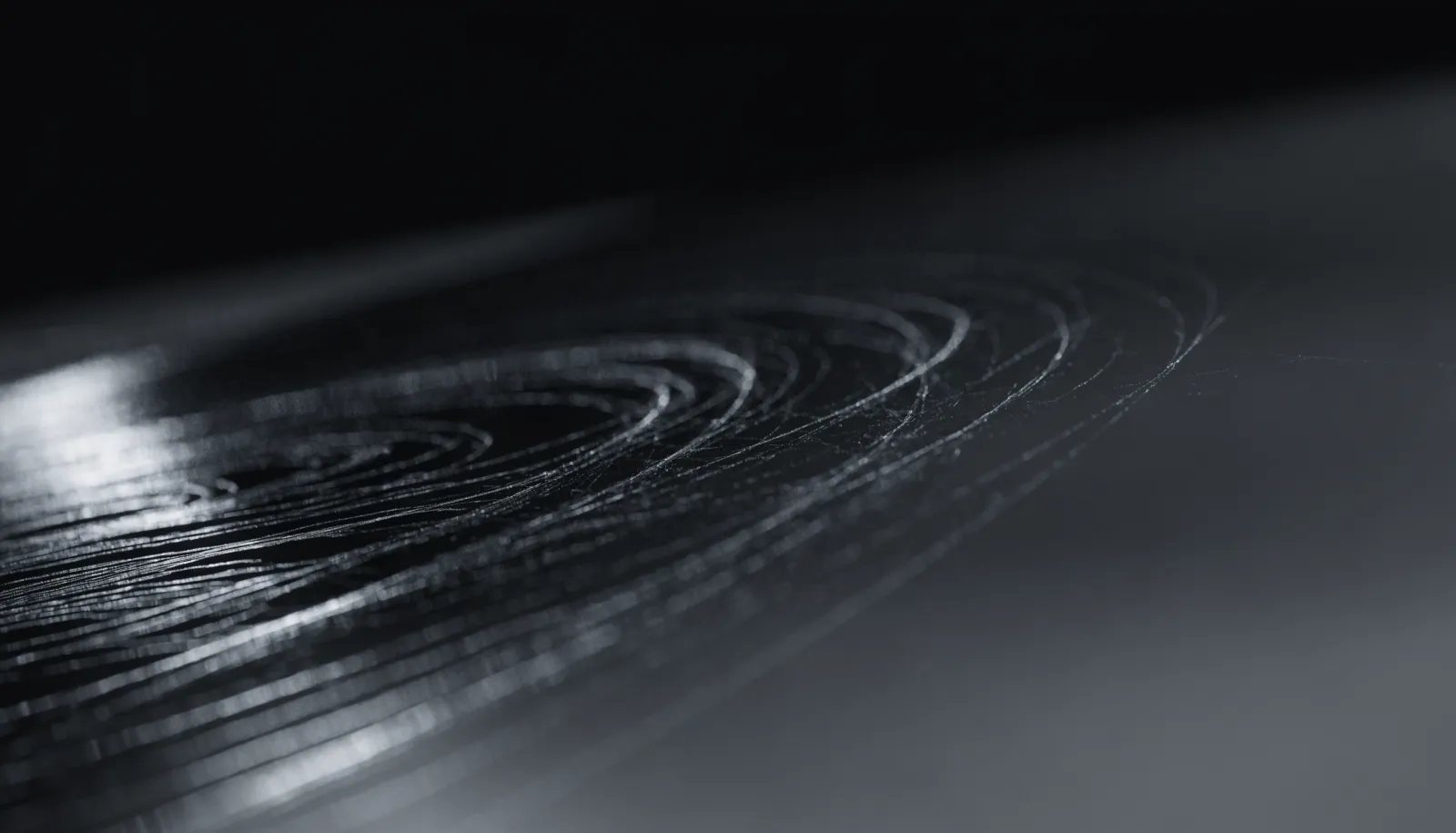
The second thing a test spot reveals is how much of the damage will actually come out. Under a bright light, a detailer can see swirl marks, wash scratches, and oxidation clearly. After a corrective pass on the test section, they can see exactly how much of that defect set is gone and how much remains. A section that comes back to near-perfect with one pass tells a very different story than a section that still shows deep marks after two. That difference is the line between a single-stage and a multi-stage job, and it has a direct effect on time and cost.
The third piece is finish quality. Correcting paint is only half the work. The other half is refining the surface so it is free of the fine haze that aggressive polishing leaves behind. A test spot lets the installer confirm that their finishing combination leaves the paint clear and glossy under hard light, not just in a showroom-friendly glance. If the test section looks right under scrutiny, the rest of the car can be done with confidence.
Why a flat phone quote is a warning sign
A shop that quotes a firm correction price sight unseen is doing one of two things. Either they are padding the number high enough to cover the worst case, which means you may overpay, or they are quoting low to win the job and plan to cut corners when the paint turns out to be harder or more damaged than expected. Neither outcome serves you. The honest path is an inspection first, a test spot second, and a quote built on what the paint actually showed.
This is not about making the process more complicated than it needs to be. It is about matching the work to the vehicle. A daily driver with light swirl marks from a tunnel wash needs a very different level of paint correction than a black car that has been hand-dried with a dirty towel for three years. Both might be the same make and model. The only way to price them correctly is to read each one individually, and the test spot is how that reading happens.
There is also a protection angle here. A test spot tells the installer how much clear coat the paint can spare. Clear coat is a finite layer, and correction works by removing a small amount of it to level the surface. A detailer who runs a test section, often paired with a paint depth reading, knows whether the paint has the thickness to support an aggressive correction or whether a gentler approach is the responsible choice. Skipping that step risks taking off more clear coat than the panel can afford.
How the test spot shapes the rest of the job
Once the test section is complete and the installer is satisfied with both the defect removal and the finish, the process becomes repeatable. The pad, compound, polish, machine speed, and pass count that worked on the test area become the recipe for the rest of the vehicle. Panels that face the sun and the road, like the hood and front fenders, may need an adjusted approach because they tend to carry more damage, but the test spot establishes the baseline.
This is also the point where expectations get set honestly. If the test section shows that ninety percent of the defects come out cleanly but a handful of deeper scratches remain, a good installer will tell you that before starting, not after. Some scratches reach past the clear coat into the color layer, and no amount of safe polishing will remove those without compromising the paint. Knowing that going in means there are no surprises when you inspect the finished car.
For a correction that is being done as prep before a ceramic coating, the test spot is even more important. A coating locks in whatever condition the paint is in underneath it. Any swirl or scratch left in the surface gets sealed under the coating for years. The test spot confirms the correction approach will deliver a surface worth protecting before the coating ever goes on.
What you should expect to see
If you drop your car off for a correction and the installer walks you out to the car, points a light at the paint, and shows you the defects before and after a test section, that is exactly what should happen. You are seeing the same evidence they are using to build your quote. It removes the mystery from the process and replaces it with something you can look at with your own eyes.
At EuroLuxe, Caleb Vasquez runs that inspection and test process before any correction work is priced or scheduled. The goal is an accurate picture of what your specific paint needs, not a package sold off a menu. If you want to know what your car’s finish would take to bring back, call EuroLuxe at (936) 292-6056. The studio is at 11701 Holderrieth Rd in Tomball, the bay is climate controlled, and the conversation starts with what the paint shows under the light.
A test spot is a small thing that decides a large one. It is the difference between a correction priced on guesswork and a correction priced on evidence. When the person working on your paint insists on running one before they commit to a number, that is not them being difficult. That is them doing the job the right way.