
Paint correction on dark blue and navy cars: what to know
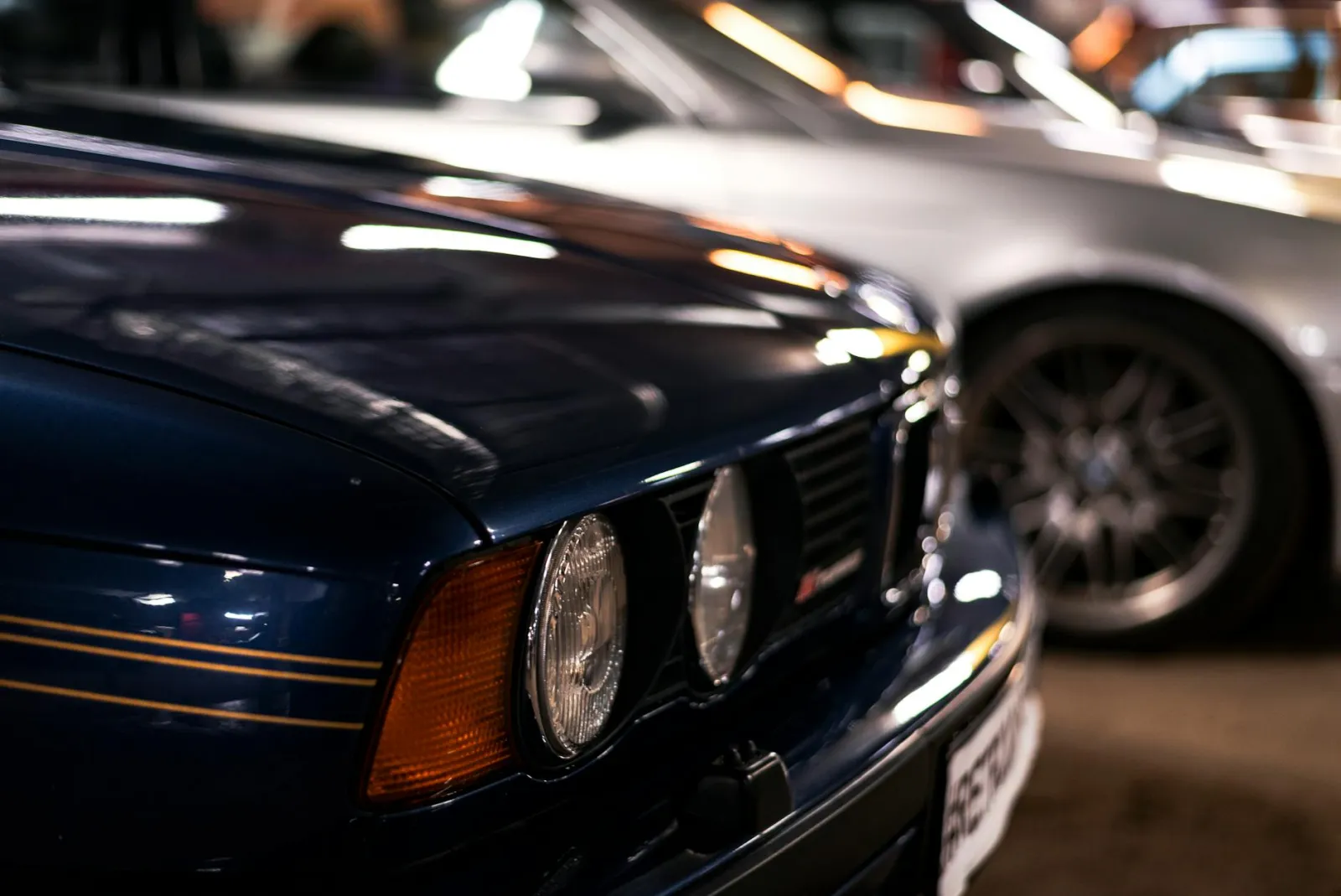
Dark blue and navy paint occupies a strange place in the automotive color spectrum. Under overcast skies or in a dim garage, it looks deep and almost flawless. Move the car into direct Texas sunlight and the story changes completely. Every swirl mark, buffer trail, and fine scratch telegraphs itself as a web of lighter-toned lines across the surface. Owners of dark blue vehicles often describe the experience as discovering their paint for the first time, and not in a good way.
The physics behind this are straightforward. Dark pigments absorb more light than they reflect, so when light does bounce off the surface, any disruption in the clear coat’s flatness scatters it at conflicting angles. On a white or silver car, minor imperfections blend into the overall brightness. On a dark blue finish, those same imperfections become the most visible thing about the car. This is not an exaggeration, and it is not unique to cheap paint. Midnight blue metallic finishes on German luxury sedans and deep navy pearlescent coats on Japanese sports cars behave the same way.
Understanding this before committing to paint correction matters because the process on dark colors requires more discipline, more time, and more precise product selection than correction work on lighter vehicles.
Why dark blue paint accumulates damage faster than you think
Most paint defects on daily-driven vehicles come from washing, not road hazards. Automatic car wash brushes, low-quality wash mitts, dirty chamois towels, and improper drying technique all introduce fine scratches into the clear coat. On a dark blue car, these accumulate visibly after only a handful of careless washes.
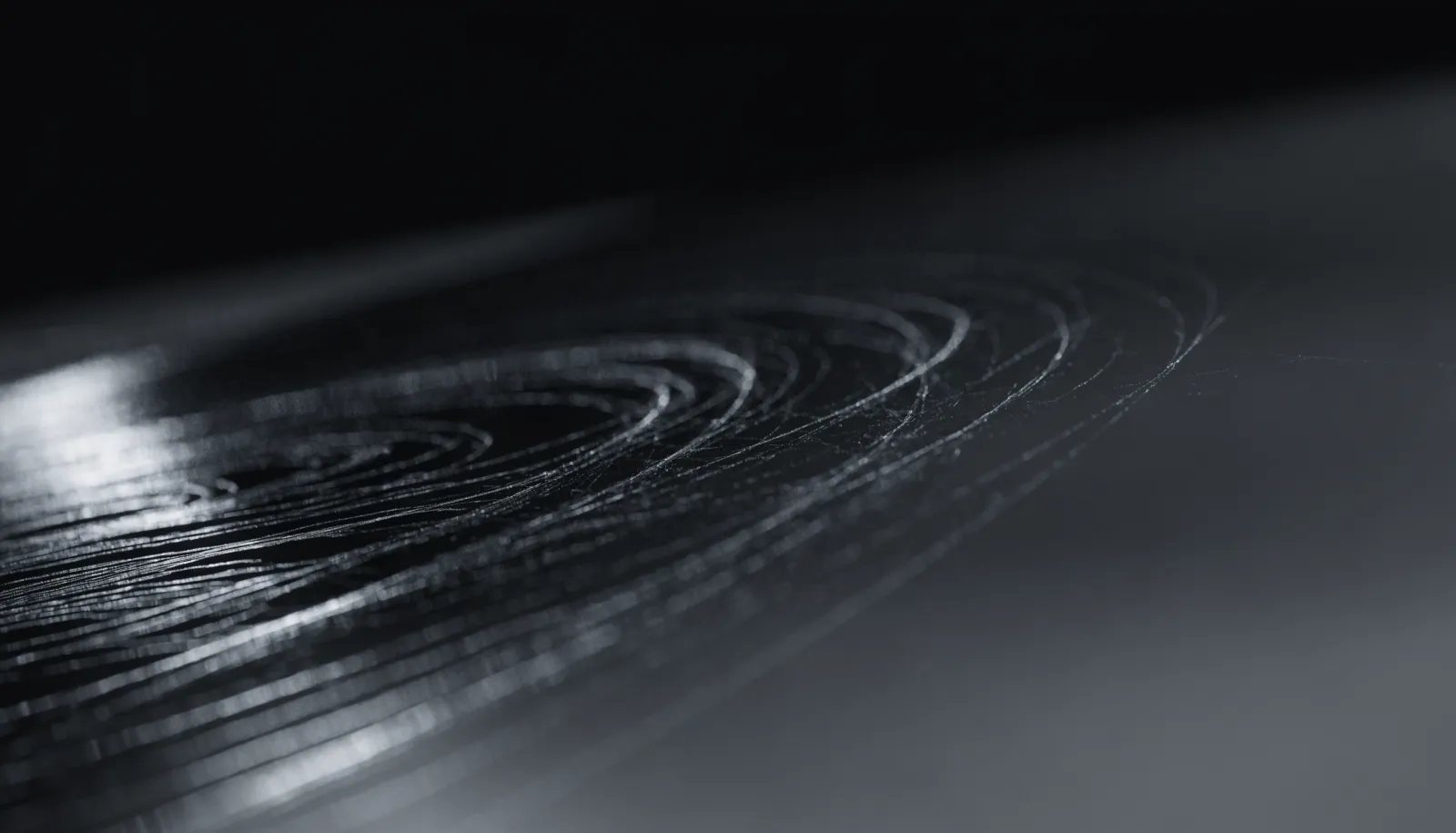
The second major contributor is swirl marks left by previous machine polishing. This sounds counterintuitive, but a polish job done with the wrong combination of pad aggressiveness and compound cut can leave its own pattern of micro-marring across the surface. These are often not visible immediately after the work is done, especially under artificial lighting in a garage bay. Drive the car into sunlight a day later and the holograms become apparent. On dark blue paint, this outcome is particularly unforgiving because the finish provides such a clear backdrop for any surface irregularity.
Iron fallout and environmental contamination also play a role. Brake dust and industrial particles embed themselves into clear coat over time, creating rough texture that catches and redirects light. A thorough decontamination process, including chemical iron removal and clay bar treatment, is a necessary step before any polishing begins. Skipping decontamination means polishing over embedded particles, which creates additional marring rather than eliminating it.
How the correction process differs on dark finishes
Paint correction on any vehicle starts with a paint depth gauge reading across multiple panels. This is not optional. Clear coat has a finite thickness, measured in microns, and polishing removes a small amount of material with each pass. On dark blue factory paint, which can vary significantly in total clear coat depth depending on the manufacturer, knowing the baseline before touching a machine polisher is the difference between a safe correction and paint that is thinned to the point of vulnerability.
Product selection becomes more critical on dark colors. Aggressive compounds that cut quickly and work well on thick single-stage paints can leave residual micro-scratches that require a second or third polishing stage to address. The standard approach for dark blue finishes typically involves at least a two-stage process: an initial compounding or heavy polishing pass to address deeper defects, followed by a finer polishing stage to refine the surface and eliminate any marring left by the first stage.
Pad choice matters here too. Foam cutting pads generate more heat and move more material. Microfiber pads cut aggressively but tend to leave a cleaner finish behind them. The right pairing of pad and product depends on the specific paint hardness and the depth of the defects being addressed. A correction done on a single hardness German clear coat is calibrated differently than work done on a softer Japanese or domestic finish.
Lighting conditions and inspection protocol
One of the most important tools in paint correction work is proper inspection lighting. Swirl marks and holograms that are invisible under a standard overhead shop light become immediately obvious under a focused LED inspection light or a high-output panel light rotated at a low angle across the surface.
For dark blue paint specifically, inspection should happen at multiple angles and under multiple light sources before a job is called complete. A panel that looks clean under a shop’s fluorescent ceiling lights may still carry residual buffer trails that only appear under direct sun or a focused beam. This is where working in a controlled environment matters. At EuroLuxe, the climate-controlled installation bay eliminates the variable of ambient temperature and humidity that can affect how polish products behave and cure, but the inspection protocol — checking under multiple light sources before signing off — is equally important to the controlled environment.
After each polishing stage, the panel should be wiped clean of residue and inspected before moving to the next section. This stage-by-stage inspection prevents finishing an entire car only to find that the first panel worked on needs to be redone.
Managing expectations: what correction can and cannot fix
Paint correction addresses defects within the clear coat layer. It can remove swirl marks, buffer trails, light oxidation, water spot etching, and fine scratches that have not cut through to the base coat. What it cannot do is fill or reverse damage that has broken through the clear coat and into the color layer or primer. Those require spot repair or respray work, which is a different service entirely.
On dark blue cars, owners sometimes mistake deep base coat scratches for clear coat swirl marks because both show up as bright lines against the dark surface. The distinction matters because polishing a scratch that goes below the clear coat will thin the surrounding paint without actually improving the appearance of the scratch itself. Part of the consultation before any correction work involves identifying which defects fall within the correctable range and which do not.
For vehicles with extensive correction work ahead of them, it is also worth discussing what comes after. Paint correction removes the defects, but the surface is now vulnerable to re-contamination. Applying a ceramic coating over a freshly corrected dark blue finish locks in the optical clarity achieved through polishing and gives the clear coat a harder, more chemically resistant surface to work against in day-to-day use. For vehicles that see significant highway miles or frequent parking lot exposure, a paint protection film package over the corrected panels provides physical barrier protection that no coating alone can offer.
Maintenance after correction on dark blue paint
The work done during correction can be undone within weeks through careless washing. Dark blue finishes demand a two-bucket hand wash method with a clean, high-quality microfiber mitt, a pH-neutral shampoo, and proper drying technique using a plush waffle-weave towel or a filtered blower. Automatic car washes, gas station brushes, and abrasive wiping of dry paint are the primary vectors for reintroducing the swirl marks that correction removed.
Regular ceramic coating maintenance washes, typically every three to four weeks depending on exposure conditions, keep the surface clean without introducing contamination. If a ceramic coating is in place on top of the correction, a dedicated SiO2 spray detailer used as a drying aid extends coating performance and keeps the surface slick between full washes.
Owners who invest in paint correction work on a dark blue vehicle and then return it to an automatic car wash within a month have effectively paid for work they will need to redo. That is not an argument against correction, it is an argument for adjusting the washing routine to match the standard the correction work established.
If you are evaluating the condition of a dark blue or navy vehicle and want a direct assessment of what correction could achieve, call EuroLuxe at (936) 292-6056 or stop by 11701 Holderrieth Rd in Tomball. A visual inspection under proper lighting takes a few minutes and gives you an honest picture of what the paint is carrying and what can realistically be done about it.
Dark blue paint rewards proper care with a depth and clarity that few other colors can match. It also punishes neglect more visibly than almost anything else on the road. The correction process on these finishes is deliberate, staged, and inspection-heavy precisely because the standard the paint sets for itself is so unforgiving.