
Paint Correction for Red Cars: Why This Color Shows Everything
Why Red Paint Is Different From Every Other Color
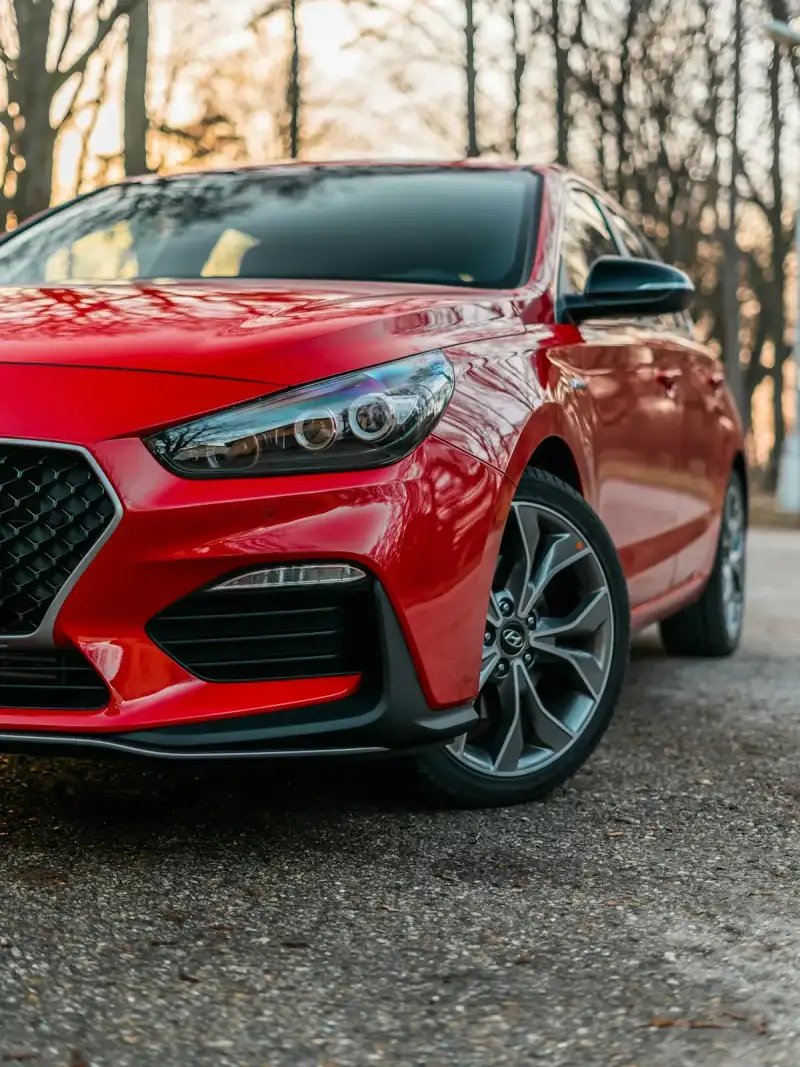
Red vehicles hold a special place in the detailing world, and not just because they turn heads. Red paint formulations are chemically distinct from most other automotive colors, and that difference directly impacts how the paint responds to correction work. Many red paints, especially those from European manufacturers and older domestic vehicles, use single-stage paint systems where the pigment and protective layers are combined into one coat rather than separated into a base coat and clear coat. This means when you polish red paint, you are literally working directly on the color layer itself, and the consequences of doing it wrong show up immediately.
The Single-Stage Red Problem
Single-stage red paint is significantly softer than modern two-stage clear coat systems. Where a typical clear coat measures between 6H and 9H on the pencil hardness scale, single-stage reds often fall around 2H to 4H. At our shop, we see this most frequently on classic Ferraris, older Mustangs, and certain Toyota and Honda models from the early 2000s. The softness means that pads and compounds designed for modern clear coats can cut far too aggressively into single-stage red, removing more paint than intended. We always perform a test spot on an inconspicuous panel before committing to a correction approach on any red vehicle.
How Red Shows Defects Differently
Unlike black cars where swirl marks appear as white spider webs against a dark surface, red paint hides certain defects while exaggerating others. Swirl marks on red tend to appear as a hazy, chalky film rather than individual scratches, giving the paint an overall faded or oxidized look. This is actually oxidation in many cases, as red pigments are among the most susceptible to UV degradation. In the Houston sun, we regularly see red vehicles that look ten years older than they actually are simply because the UV exposure has broken down the pigment at the surface level. The good news is that this surface oxidation often polishes out beautifully, revealing vibrant color underneath.
Compound and Pad Selection for Red Paint
Choosing the right compound and pad combination for red paint correction is where experience truly matters. We typically start with a medium-cut foam pad rather than a microfiber cutting pad, because microfiber can be too aggressive on softer single-stage formulations. Our go-to approach involves a diminishing abrasive compound at reduced machine speed, usually around 1,200 to 1,500 RPM on a dual action polisher rather than the 1,800 RPM we might use on harder clear coats. The goal is controlled removal where you take just enough material to level the defects without burning through color. On two-stage red vehicles with proper clear coat, we have more latitude, but we still approach with caution because many manufacturers apply thinner clear over red base coats compared to other colors.
The Pad Staining Factor
One challenge unique to red paint correction that many shops overlook is pad contamination. When polishing single-stage red paint, the pigment transfers heavily onto the polishing pad, staining it deep red within seconds. This is not just cosmetic; the transferred pigment reduces the pad’s cutting ability and can create uneven results if not managed properly. We swap to a fresh pad every two to three panels when working on single-stage red vehicles, which means a full correction may require eight to twelve pads instead of the typical four or five. Some detailers try to clean pads during the process using a pad washer, but we have found that fresh pads deliver consistently better results on red paint specifically.
Paint Depth Readings Are Critical
Before touching any red vehicle with a polisher, we take paint depth readings on every panel using a digital thickness gauge. This step is non-negotiable in our process and is part of what separates professional paint correction from amateur attempts. On single-stage reds, the total paint thickness may be as low as 80 to 100 microns, compared to 120 to 150 microns on a typical two-stage system. Knowing your starting thickness determines whether a full correction is even safe, or whether a single-stage polish and sealant is the better approach. We document these readings and share them with the vehicle owner so there is complete transparency about what the paint can handle and what it cannot.
Protecting Red Paint After Correction
Once a red vehicle has been properly corrected, protecting it becomes even more important than it would be on a harder paint system. We strongly recommend ceramic coating with GYEON MOHS EVO for corrected red vehicles because the coating adds a sacrificial hardness layer above the soft paint. Without protection, the corrected red paint will begin accumulating new swirl marks almost immediately, sometimes within a single wash if improper technique is used. For clients who want the ultimate protection, we suggest pairing a ceramic coating with paint protection film on high-impact areas like the hood and front bumper, which takes the physical abuse so the red paint never has to.
Trust Your Red Car to Specialists
Red paint correction is not a job for a detailer who treats every color the same. The material properties, the pad management, and the finishing process all require adjustments that only come from hands-on experience with this specific paint type. At EuroLuxe Detailing, we have corrected hundreds of red vehicles ranging from daily-driver Camrys to concours-level Ferraris, and every one required a customized approach. If your red car looks faded, swirled, or just lacks the depth it had when it was new, we can bring it back.
Get a free quote for your red vehicle’s paint correction and see what your paint is really capable of.