Paint correction for garage queens and weekend drivers
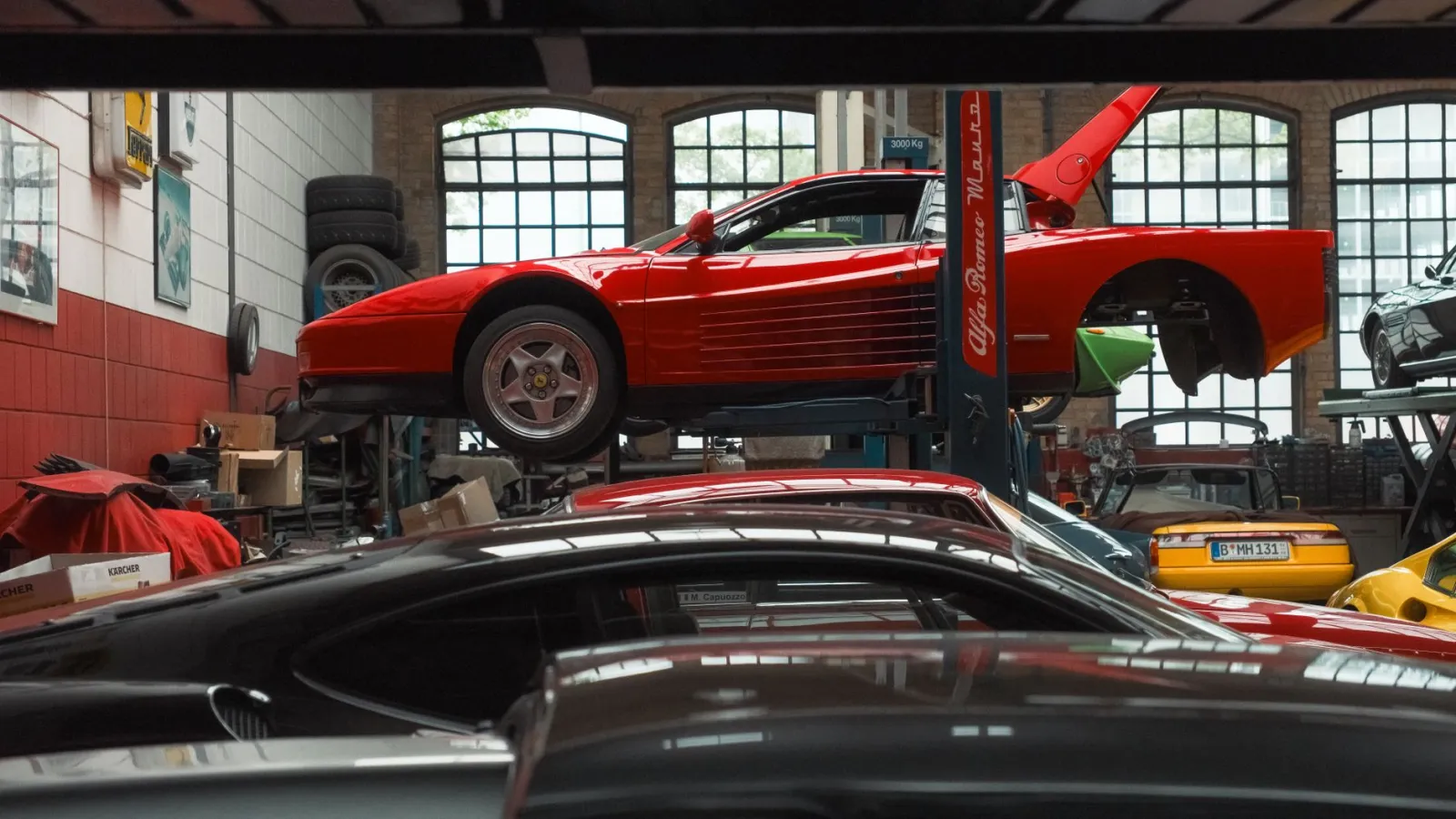
There is a common assumption that paint correction is primarily a service for daily drivers — vehicles that spend hours each week on I-45, accumulate road grime in every crevice, and cycle through automatic washes just to stay presentable. That assumption is wrong. Some of the most paint-damaged vehicles that come through our bay in Tomball are garage queens: low-mileage sports cars, weekend cruisers, and collector vehicles that may see fewer than 3,000 miles per year. The paint on those cars tells a story of handling, storage, and the well-intentioned care that has done more harm than good.
The reasons are straightforward once you understand how paint damage actually accumulates. It is not mileage-driven. It is contact-driven. Every time a chamois comes out of the bucket, every time a dry microfiber gets dragged across a hood to knock off dust before a show, every time a car gets a quick wipe-down in the garage without water — that is when swirl marks form. Weekend drivers often spend more time handling their cars in detail-oriented ways than daily drivers do, and that handling, done without proper technique or lubrication, leaves behind a network of fine scratches that are invisible in shade and glaring under direct sunlight or LED lighting.
If you own a vehicle that you care deeply about — one that rarely gets driven but is regularly cleaned, covered, and admired — this post is specifically for you.
How garage storage creates its own paint problems
A climate-controlled private garage is one of the best environments for a vehicle. It eliminates UV exposure, moisture cycling, and airborne contamination from traffic. But a garage is not a sealed vault, and the paint degradation that happens inside is subtler and often goes unnoticed longer.
Dust is the first issue. Fine particulate settles on horizontal surfaces constantly, and when a cover is placed over a car or removed from one, that dust layer becomes an abrasive. Car covers — even high-quality flannel-lined ones — move slightly with air currents and can induce micro-scratches when they shift against the paint. This is not a reason to stop using a cover, but it explains why cars that live under covers are not immune to surface marring.
Contamination from garage environments also accumulates on paint even when a car is not moving. Brake dust from other vehicles, airborne iron particles, and off-gassing from rubber products all bond to clear coat over time. A car that sits for six months between drives is not staying pristine — it is collecting contamination at a slower pace.
The show-and-shine problem: wiping instead of washing
The weekend driver community is particularly vulnerable to what installers call dry wipe damage. Before a show, before a meet, before taking the car out on a Saturday evening, the instinct is to give the car a quick once-over. A spray detailer and a microfiber, a California duster across the hood, a soft rag on the glass. None of these seem aggressive, and none of them are, when the paint is clean and the technique is right. The problem is that no paint surface is ever truly clean without a contact wash. That thin film of dust or pollen that appears invisible is still there, and dragging anything across it without sufficient lubrication turns it into a very fine-grit abrasive.
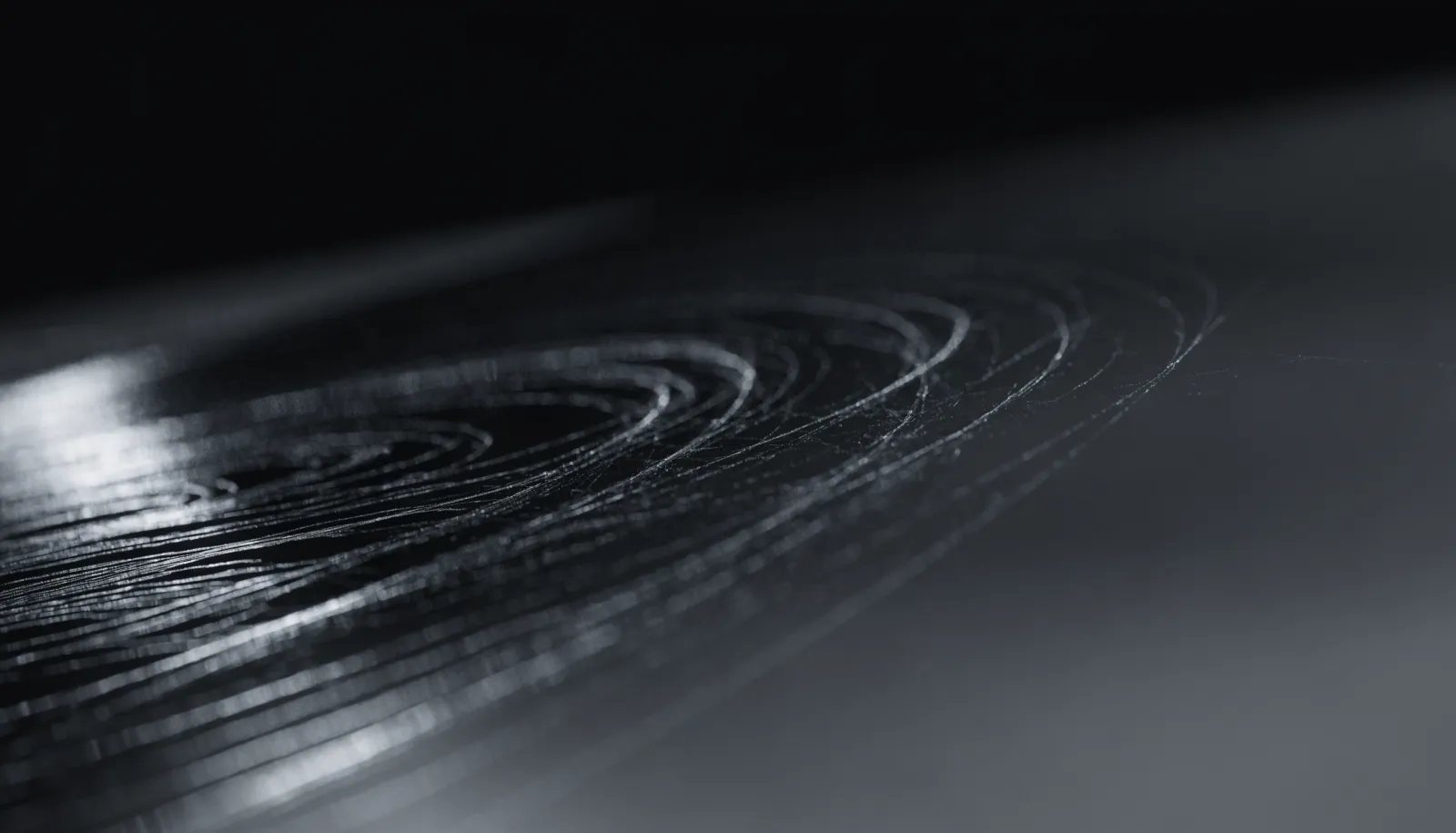
Over two or three seasons of weekend ownership, these micro-abrasions compound. The clear coat, which starts out with a uniform surface that reflects light cleanly, develops a web of random scratches that scatter light instead of reflecting it. The car starts to look slightly dull, slightly hazy, especially in direct sunlight. The color looks less saturated. Metallic flakes that should appear crisp look muted. This is swirl mark damage, and it is just as severe on a car with 4,000 miles as on one with 80,000.
What paint correction actually corrects on a low-use vehicle
When a weekend driver comes to us for paint correction, the work involves the same core process as on a daily driver: paint thickness measurement, decontamination, and mechanical polishing with a machine polisher and cutting or finishing compounds appropriate to the damage level. The difference is often in what we find.
Low-mileage vehicles frequently have minimal rock chip damage and almost no mid-panel impact marks. What they do have is a high concentration of swirl marks from improper washing, fine scratches from cover contact, and occasionally water spot etching from sprinklers or rain events followed by sun exposure. The clear coat is typically in better shape below the surface damage because the car has not been exposed to years of UV load, so correction rates well and the results are usually excellent.
In some cases, especially on older collector cars or vehicles purchased used without a known care history, we find compounding from previous amateur correction attempts: holograms left by rotary polishers used without the correct finishing stage, or buffer trails from orbital polishers run at too high a speed on thin Japanese or German clear coat. These require their own approach — typically a single-stage finishing polish after careful paint thickness measurement to confirm there is enough clear left to work safely.
Protecting the correction: what comes after
A paint correction on a vehicle that only drives on weekends is a meaningful investment, and it deserves durable protection. The most logical follow-on service for this category of owner is a ceramic coating, applied once the paint surface has been corrected and decontaminated. Ceramic forms a semi-permanent sacrificial layer over the clear coat that significantly reduces the rate at which new contamination and surface marring can accumulate. It also makes the car far easier to maintain correctly — water sheets off rather than beading and drying, making proper wash technique faster and more forgiving.
For owners who plan to show their vehicles or keep them in near-concours condition, ceramic coating changes the daily care equation substantially. The coating does not make the paint invincible, but it raises the threshold of what it takes to induce visible damage. A California duster dragged across a ceramic-coated surface still is not ideal technique, but the lubricating properties of the coating itself provide some mitigation that bare clear coat does not.
For cars that see any highway driving at all — even occasional weekend highway runs up to Conroe or out through Magnolia — adding paint protection film to the front fascia and hood before the ceramic layer provides physical impact resistance that no liquid coating can match.
Getting an honest assessment before committing to work
The first thing we do before quoting any paint correction job is look at the paint under proper lighting — a focused LED inspection lamp that reveals surface condition the way direct sunlight would, but in a controlled environment. We also use a paint thickness gauge on every panel. These two steps together give an honest picture of what correction is possible, what it will cost, and whether there are any areas where clear coat has been thinned to the point where further polishing would create risk.
If you own a weekend vehicle or collector car in the North Houston area and you have been wondering why the paint does not look the way it did three years ago, the answer is almost certainly surface damage that accumulated through routine care rather than through use. That is correctable. Give us a call at (936) 292-6056 and we can schedule an inspection.
Paint correction for a low-mileage vehicle is not an admission that the car was poorly maintained — it is a recognition that conventional care practices, done without the right tools and technique, have well-known side effects on paint, and that those effects are reversible with the right process. The goal is to bring the paint back to where it should be and then protect it so the next decade of ownership does not repeat the first.