New car paint defects: why correction matters before coating
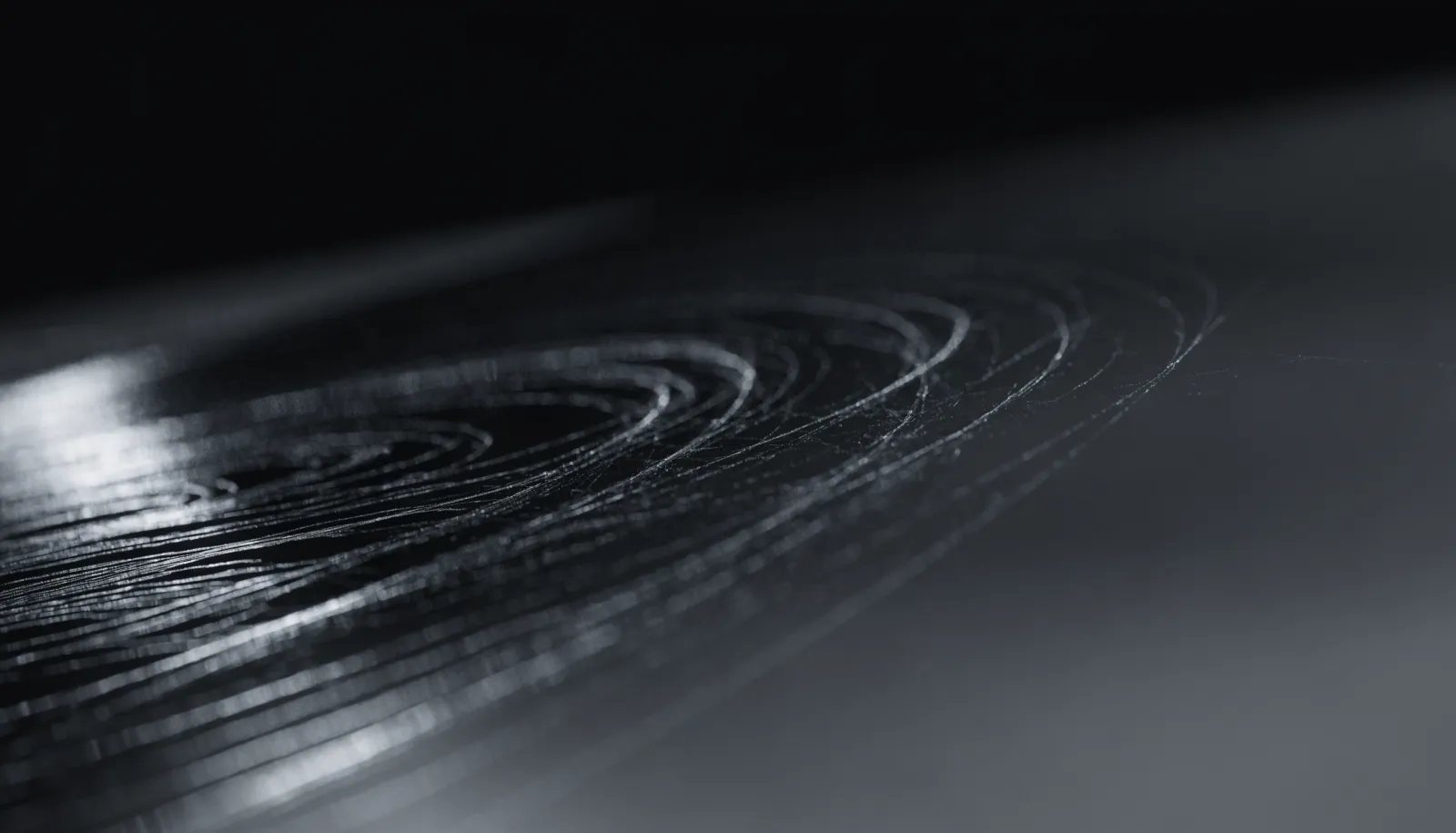
Most people assume a new car arrives with flawless paint. It does not. Between the factory line, transport, dealer prep, and lot washing, the average new vehicle accumulates a measurable number of surface defects before the first owner ever opens the door. Under a proper inspection light, paint that looked showroom-perfect will show swirl marks, random isolated scratches, sanding marks from touch-up work, and occasionally buffer trails left by a dealer detailer working too fast with the wrong equipment.
This matters because many owners plan to protect their vehicle immediately with a ceramic coating or paint protection film. Applying either product over compromised paint does not improve what is underneath. A ceramic coating locks in clarity and gloss, but it also locks in whatever defects existed before application. A film will adhere to the surface, but swirl marks and haze will remain visible through the clear urethane. The right sequence is always inspection first, correction if warranted, then protection.
Understanding where factory and dealer-induced defects come from — and what can be done about them — is worth spending some time on before you book any protection service.
Where factory paint defects originate
Assembly plants apply paint in controlled booths, but the process is designed for throughput, not perfection. Wet sanding is used in certain areas to level the clear coat, and the resulting marks are sometimes polished out before the car leaves the line, sometimes not. Quality checks catch major issues, but fine scratching from compound work or light orbital swirls from buffing stations often pass through.
Transport from plant to port to rail yard to dealership introduces additional exposure. Automated wash systems at ports are among the worst offenders. These machines run thousands of vehicles through foam and brush equipment that has not been properly maintained, leaving fine scratches across horizontal panels and door skins. By the time a vehicle reaches the dealership lot, it may have been washed multiple times under conditions that no serious detailer would tolerate.
What dealer prep adds to the problem
Dealerships typically wash and prep every vehicle before delivery. Some use commercial tunnels. Others assign lot staff to hand wash using a single bucket and a worn mitt. Neither approach is particularly careful with paint. The goal is a vehicle that looks clean and shiny under showroom lights, which are not designed to reveal surface defects.
Occasionally, dealers will use a high-speed rotary polisher to knock out a visible scratch or scuff before delivery. When used correctly by a trained operator, a rotary can produce excellent results. When used quickly by someone working through a stack of pre-delivery inspections, it leaves behind buffer trails — wide, arcing haze patterns that are highly visible under directional lighting.
Some dealers also apply their own paint sealant or ceramic coating at point of sale, marketed as added protection. These products are typically applied over uncorrected paint without proper decontamination, which means any defects beneath them are now trapped under a layer of sealant. Removing those coatings and starting fresh adds time and cost to the correction process.
How paint correction addresses these defects
Paint correction is a machine polishing process that removes a controlled amount of clear coat to level the surface and eliminate scratches that sit within that layer. The depth of correction needed depends on what the paint inspection reveals. Shallow swirl marks from automated washing often respond well to a single-stage polish. Deeper random isolated scratches, sanding marks, or buffer trails typically require a more aggressive compound first, followed by a finishing polish to restore clarity.
Before any machine work begins, the paint needs to be properly decontaminated. Iron particles embedded in the clear coat from transport and brake dust, along with bonded surface contamination, must be removed before polishing. Running a machine polisher over contaminated paint grinds those particles across the surface and creates new scratches. This step is not optional.
A paint thickness gauge is used throughout the process to monitor how much clear coat remains. Factory clear coat varies by manufacturer and panel location, and a competent technician tracks these readings to avoid cutting too deep. This is one of the primary reasons paint correction on a new vehicle should be done by someone with proper equipment and documented process, not as a rushed add-on to a wash service.
For owners planning to apply a ceramic coating after correction, the polish residue must be fully removed before the coating goes down. Residual polishing oils can interfere with bonding and reduce the coating’s durability. A proper prep wipe with a panel prep solution, done under good lighting, is what separates a coating that bonds correctly from one that fails early.
Deciding whether your new car needs correction
Not every new vehicle requires paint correction. Some manufacturers deliver paint in genuinely good condition, and some dealers are more careful than others. The only way to know is to inspect the paint properly under a focused light source — a paint inspection lamp, a raking LED bar, or direct sunlight at the right angle. The swirls and scratches that matter most are the ones visible under harsh lighting because those are the defects that will be most apparent once a coating amplifies the gloss.
If you are considering paint protection film as well, the correction question becomes even more important on the panels that will not be covered by film. Partial front-end installations leave the roof, doors, and rear quarters exposed. Defects on those panels will remain visible for the life of the vehicle if not addressed before coating.
The honest answer is that most new vehicles benefit from at least a light single-stage polish to remove transport and dealer-induced swirls, with a more thorough multi-stage correction reserved for vehicles with visible buffer trails or deeper scratching. An inspection done under proper lighting takes twenty minutes and gives you a clear picture of what the paint actually looks like versus what it appeared to be at the dealership.
What to expect from the correction process
On a new vehicle, paint correction typically ranges from a few hours for a light single-stage polish to a full day or more for thorough multi-stage work on a vehicle with significant defects. The work is done in a climate-controlled environment to keep dust contamination out of the paint during polishing and coating application. Temperature and humidity affect how polishes behave and how coatings cure, which is why a controlled bay matters for consistent results.
After correction, the paint should be inspected again under the same lighting conditions used before the work began. Haze, swirls, and buffer trails that were present at the start should be gone or reduced to an acceptable level. Any deeper scratches that could not be safely polished out — because removing them would require cutting through too much clear coat — should be documented and discussed with the owner before the coating goes down.
If you have questions about what your vehicle’s paint actually needs before a protection service, you can reach the EuroLuxe team at (936) 292-6056 to schedule an inspection at our Tomball shop.
The investment in paint correction before ceramic coating or PPF is not about chasing perfection for its own sake. It is about making sure that whatever protection goes on top of the paint is sealing in work you are proud of, not problems you have not seen yet.