2026 Car Tariffs Are Raising Prices — Why Protecting Your Paint Matters More Than Ever
Your Car Just Got More Expensive
If you have been shopping for a new vehicle in 2026, you have already felt it. Sticker prices are climbing across every segment, every brand, and every dealership lot in North Houston. The reason is straightforward: a 25% tariff on foreign-made vehicles and auto parts is now adding thousands of dollars to the price of nearly every car, truck, and SUV sold in the United States.
The average new car was already pushing $48,000 before these tariffs took effect. Now, with auto parts surcharges adding anywhere from $2,000 to $6,000 per vehicle, industry analysts expect motor vehicle prices to rise 13.5% on average. Cox Automotive’s chief economist put it bluntly: “Prices will rise and volumes will decline.”
This is not just a problem for buyers of imported luxury cars. Even domestic models assembled right here in the U.S. are getting hit. The 2026 Toyota RAV4, built at Toyota’s plant in Georgetown, Kentucky, still relies heavily on foreign-sourced components. That supply chain reality is adding roughly $2,000 in parts surcharges to a vehicle that many buyers consider a practical, affordable choice. Audi has already announced price increases ranging from $800 to $4,100 across its entire 2026 lineup.
For drivers in Tomball and across the greater Houston area, the message is clear: your vehicle is a bigger financial commitment than it has ever been. And that changes the math on how you should be protecting it.
The Financial Case for Paint Protection
When your car costs $50,000 or more, every scratch, rock chip, and sun-faded panel directly impacts your return on that investment. Paint damage is not just cosmetic. It is a depreciation accelerator.
A single rock chip on your hood might seem minor, but left untreated it exposes bare metal to moisture and oxygen. That leads to corrosion, paint bubbling, and a repair bill that starts at $150 for a small touch-up and climbs past $2,000 for panel repainting. Multiply that by the hundreds of chips a daily driver accumulates over a few years of commuting on highways 249, 290, 99, and I-45, and you are looking at thousands in damage that comes straight out of your resale value.
With tariffs pushing replacement vehicle prices even higher, holding onto your current car longer makes financial sense for most households. But keeping a vehicle for seven, eight, or ten years means more exposure to the elements that break down automotive paint: UV radiation, industrial fallout, bird droppings, tree sap, and road debris.
This is where paint protection film and ceramic coating shift from nice-to-have upgrades to financially smart decisions.
How PPF Prevents Costly Damage
Paint protection film is a clear, self-healing urethane layer that bonds directly to your vehicle’s painted surfaces. It absorbs impacts from rock chips, gravel, road debris, and even minor parking lot scrapes without letting any of that damage reach your factory paint.
The film we install at EuroLuxe Detailing is UltraFit PPF, which carries a 10-year manufacturer warranty against yellowing, cracking, and delamination. When a rock kicks up off the highway and strikes your hood at 70 mph, the film takes the hit. Light scratches in the film’s surface heal themselves with heat from the sun or warm water, keeping the finish looking clean without any intervention.
For North Houston drivers, this is especially relevant. The construction corridors along 249 and 99 throw an enormous amount of debris into traffic. Gravel trucks, loose aggregate, and road work zones are constant sources of paint damage. A full front PPF kit protects the hood, bumper, fenders, mirror caps, and headlights, which are the areas that take the most punishment during your daily commute.
Consider the math. A full front PPF installation costs a fraction of what a single panel respray costs at a body shop, and it prevents years of accumulated chip damage rather than fixing it after the fact. When your vehicle is worth $50,000 or more, spending a small percentage of that on protection that preserves your paint for the life of the film is one of the best returns you will find. For a detailed look at what PPF costs in this area, see our PPF cost guide for North Houston drivers.
What Ceramic Coating Adds to the Equation
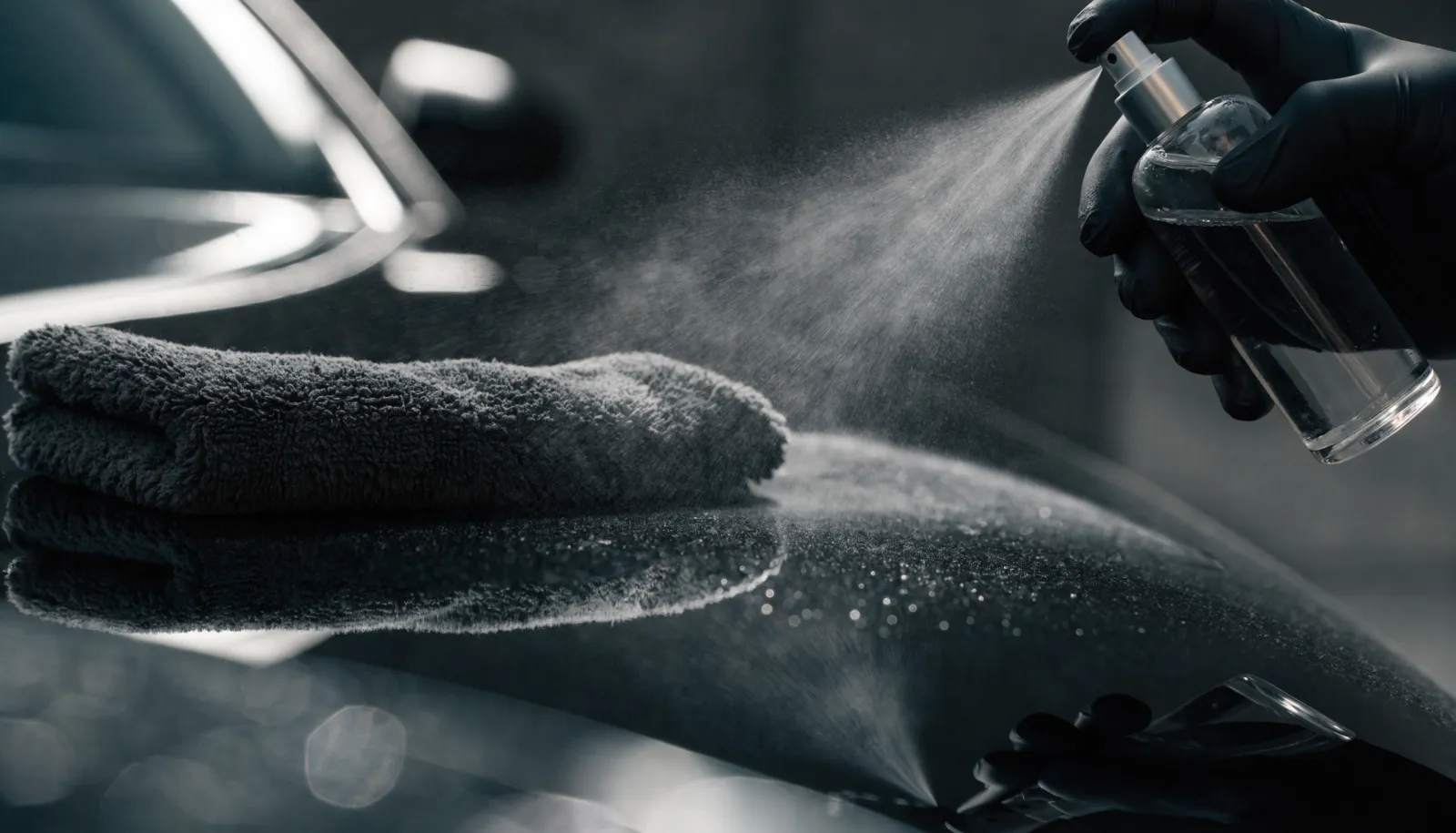
While PPF handles physical impacts, ceramic coating addresses the chemical and environmental threats that degrade paint over time. GYEON ceramic coatings create a semi-permanent, hydrophobic layer over your vehicle’s paint that repels water, resists UV damage, and makes contaminants like bird droppings, tree sap, and industrial fallout far easier to remove before they etch into your clear coat.
Houston’s climate is particularly harsh on automotive paint. Intense UV exposure through the summer months breaks down clear coat at an accelerated rate compared to cooler climates. The humidity promotes water spot etching. And the pine trees that line so many North Houston neighborhoods deposit sap that bonds to unprotected paint within hours of contact.
A professional ceramic coating does not just make your car easier to wash. It actively slows down the environmental degradation that turns a sharp-looking vehicle into one that looks tired and neglected. Over a five-year ownership period, the difference in paint condition between a coated and uncoated vehicle is dramatic, and that difference translates directly to trade-in value when it is time to upgrade.
Why the Tariff Situation Makes This Urgent
The 2026 tariff landscape creates a compounding problem for vehicle owners. New cars cost more to buy. Used car prices are rising in response because demand shifts toward the pre-owned market when new vehicle prices spike. And replacement parts, including body panels and paint supplies, are subject to the same tariffs that are raising vehicle prices.
That means the cost of fixing paint damage is also going up. A bumper respray that cost $800 last year may cost $900 or more this year as body shops pass along higher materials costs. The economics tilt even further in favor of prevention over repair.
There is also the ownership timeline factor. When new car prices are inflated, most financial advisors recommend extending your ownership period rather than trading in on an accelerated cycle. If you are planning to keep your current vehicle for several more years, or if you just bought a new one at today’s elevated prices, protecting its exterior now prevents the cumulative damage that would otherwise erode thousands from its value over that extended timeline.
As we covered in our breakdown of why paint protection is always cheaper than a paint job, the cost comparison between proactive protection and reactive repair is not even close. Protection wins every time, and the margin gets wider as vehicle and repair costs increase.
Protecting What You Have Already Invested
You do not need to be driving a six-figure luxury car for paint protection to make financial sense. At $48,000 and climbing, the average new car in 2026 represents a significant portion of most households’ net worth. Treating that asset with the same care you would give any major investment is not overthinking it. It is common sense.
PPF and ceramic coating work together as a complete protection system. PPF shields the high-impact zones from physical damage. Ceramic coating protects every surface from chemical and environmental degradation. Together, they preserve both the appearance and the measurable resale value of your vehicle for years.
At EuroLuxe Detailing in Tomball, we install UltraFit PPF and GYEON ceramic coatings in a controlled shop environment with trained installers. Every installation includes paint decontamination, surface preparation, and a thorough quality inspection. We work with drivers from across the North Houston area, from Tomball and The Woodlands to Spring, Cypress, and Magnolia.
If you have been thinking about protecting your vehicle’s paint, the financial case has never been stronger. Get a free quote and we will walk you through the options that make sense for your vehicle, your driving habits, and your budget.