How Dealerships Damage Your Paint Before You Even Drive Off the Lot
Your “Brand New” Car Isn’t as Perfect as You Think
That new car sitting on the dealer lot with 12 miles on the odometer? Its paint has already been through hell. Most buyers assume a new vehicle has flawless paint. The reality is that by the time you sign the paperwork and drive off, your car’s finish has been washed, scratched, contaminated, and abused in ways you’d never tolerate if you saw it happen.
This isn’t a knock on every dealership. It’s just how the system works. And once you understand the process, you’ll know exactly what to look for — and what to do about it.
Transport Damage: It Starts Before the Dealer Even Gets It
Your car’s paint journey begins at the factory, where it rolls off the line with genuinely perfect clear coat. Then it gets loaded onto a truck or rail car for transport — and that’s where things go sideways.
Rail Dust and Industrial Fallout
Vehicles shipped by rail pick up iron particles from the tracks and braking systems of the train itself. These microscopic metal shavings embed themselves in the clear coat and begin to oxidize. You won’t see them at first, but within weeks they create tiny orange rust spots — especially visible on white and light-colored paint.
This is called rail dust contamination, and it affects virtually every vehicle that travels by rail. The particles bond to the paint at a molecular level. A regular wash won’t remove them. You need chemical decontamination with an iron remover, followed by clay bar treatment.
Bird Droppings, Tree Sap, and Sitting Outdoors
Cars sit in staging lots for days or weeks during transport. They’re parked outdoors, exposed to bird droppings, tree sap, pollen, and whatever else lands on them. Bird droppings are acidic enough to etch clear coat in under 48 hours in direct sunlight. If a car sits in a staging area for two weeks with droppings baking onto the hood, that etching is now permanent without paint correction.
The Dealer Wash Bay: Where Swirl Marks Are Born
Here’s where the most damage happens. When your car arrives at the dealership, it’s dirty from transport. So they wash it. Sounds reasonable — except dealer wash processes are almost universally terrible for paint.
The Problems
Shared wash mitts and buckets. Most dealerships use the same wash equipment on every vehicle. Those mitts pick up grit from the previous car and drag it across yours. This is the exact same problem as automatic car washes, just done by hand.
No two-bucket method. Proper washing uses two buckets — one with soapy water, one with clean rinse water and a grit guard. Dealer detail bays rarely follow this protocol. They dip a dirty mitt back into soapy water and keep going.
Speed over care. Dealer lot attendants are washing dozens of cars per day. They’re not being paid to baby your paint. They’re being paid to get cars clean and onto the lot fast. That means heavy pressure, not enough lubrication, and dirty towels.
Automatic tunnels. Some high-volume dealerships actually run new cars through automatic brush washes. Those spinning brushes inflict hundreds of micro-scratches per pass. If your new car went through one of these, you’ve got swirl marks covering every panel.
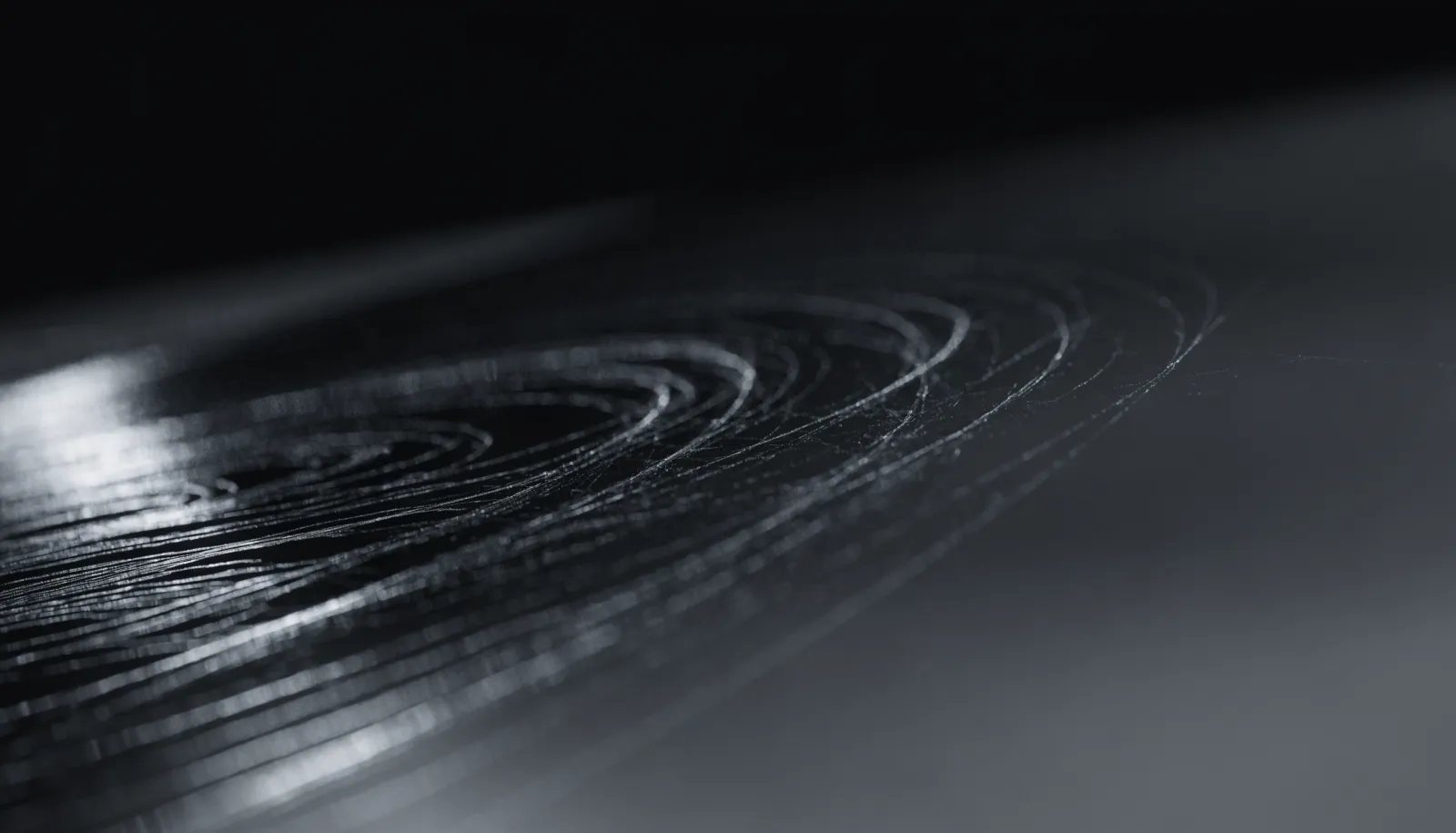
The result? A car that looks clean from ten feet away but reveals a spider web of fine scratches under direct sunlight or a focused light source.
Lot Damage: Death by a Thousand Touches
Once your car is “clean” and on the lot, it sits there waiting for buyers. During that time, it accumulates more damage from sources you’d never consider.
Customer Browsing
People walk through lots touching cars. They lean against doors, set bags on hoods, drag belt buckles along fenders. Kids run their fingers (and sometimes keys) across panels. Every person who “just looks” at your future car potentially leaves behind micro-scratches.
Other Vehicle Doors
Packed dealer lots mean tight spacing. Every time someone opens a door on the car next to yours, there’s a chance of a ding or paint chip. Check the edges of doors and fenders carefully — door dings on “new” cars are more common than dealers want to admit.
Weather Exposure
Dealer lots are open-air parking lots. Your car sits through sun, rain, hail, wind-blown debris, and temperature swings. UV exposure begins degrading clear coat from day one. Cars that sit on lots for months already have measurable UV damage before they’re sold.
Dealer-Installed Accessories: Scratches Included Free of Charge
Many dealerships install accessories before sale — window tinting, mud flaps, running boards, roof racks, pinstripes. The technicians doing this work are often general lot staff, not trained installers.
Window tint installation by inexperienced hands can scratch door panels and window trim. Mud flap and running board installation involves drilling and fastening near painted surfaces. Pinstriping and dealer-applied graphics create adhesive residue and edge lines.
Even something as simple as installing dealer license plate frames can scratch the bumper. These accessories get installed in high-volume environments where speed matters more than precision.
The PDI Wash: One Last Round of Damage
Before delivery, most dealerships perform a Pre-Delivery Inspection (PDI). This includes a final wash and detail to make the car look showroom-ready. This is often the worst wash of all.
The PDI detail typically involves a quick wash with whatever’s handy, a spray wax to make it shine, and dressing on the tires and interior. That spray wax fills in swirl marks and makes the paint look glossy — temporarily. It’s essentially masking the damage done during transport, lot storage, and previous washes.
Some dealers also use a “paint sealant” they try to upsell. These are almost always low-grade polymer sealants applied over contaminated, swirled paint. You’re paying for a product applied on top of damage, which just locks in the problems underneath.
What You Can Do About It
Before You Buy
Bring a flashlight to the dealership. Seriously. Run it across every panel at a low angle. You’ll see swirl marks, scratches, and imperfections that are invisible under overhead lot lighting. Check for water spot etching on horizontal surfaces (hood, roof, trunk). Run your hand across the paint — if it feels rough or gritty, that’s contamination embedded in the clear coat.
After You Buy
The good news: almost all dealer-inflicted damage is correctable. Transport contamination comes out with chemical decontamination and clay bar treatment. Wash swirls and light scratches are removed through paint correction — a process that levels the clear coat to eliminate imperfections.
For a brand new car, a single-stage or two-stage paint correction is usually enough to restore the finish to what it should have been from the factory. Follow that with a ceramic coating and you’ll have protection that’s actually worth something — not the dealer sealant they tried to sell you for $800.
The Smart Play
Buy the car. Skip the dealer’s paint protection package. Bring it straight to a professional detailer for decontamination, paint correction, and ceramic coating. You’ll spend roughly the same amount the dealer charges for their sealant, but you’ll actually get a properly prepared and protected finish.
If you want to see what your new car’s paint actually looks like under proper lighting — and what it could look like after professional correction — get a quote and we’ll show you the difference.